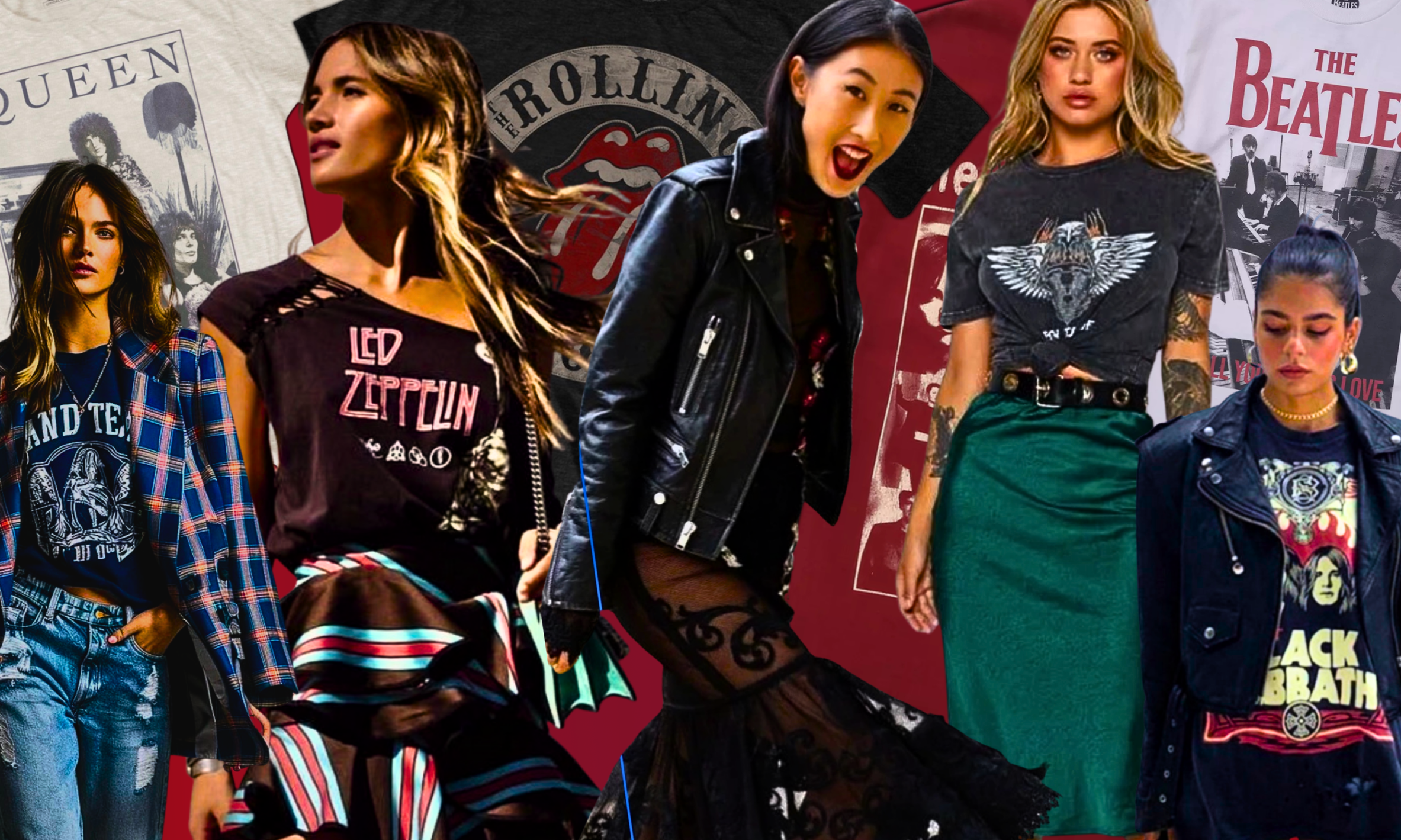
Helping You Showcase Your Favorite Musicians & Bands Since The ‘50s: The Vintage Band Graphic Tee🎸

Bold Graphics, Brilliant Hues, & Iconic Designs — the Vintage Band Graphic Tee doesn't just capture the concert experience but allows you to showcase your favorite bands in a style uniquely YOU.


The vintage band graphic tee has been a staple of every teen generation and us 90s kids certainly have had ours. It’s the silent microphone announcing to the world one’s passion for music and artists that inspire.

This past weekend was the open exhibit reception night at work and the staff working the event were given the featured musician’s vintage band graphic tee.

With my most cherished high school and college memories being at Stony Pony, House of Blues, and Bamboozle — I am most definitely no stranger when it comes to rocking a vintage band graphic tee.

However, when it comes to styling this casual favorite for an elevated work event, I felt a bit out of my element.

So I asked myself, how DOES one dress up a vintage band graphic tee while maintaining its rock and roll essence?

Whether its for a gallery exhibit opening, date night with that special someone, or night out with close friends, this causal favorite is all about balancing its effortless cool with elevated pieces for a polished rock n’ roll aesthetic.


BRIEF HISTORY

From promotional merchandise to iconic symbols of self-expression and cultural significance, graphic tees echo our history back to us.

The true story of the graphic tee begins during WW2 when soldiers frequently branded their gear – airplanes, ships, trunks, and tents – with their unit’s emblem or name. It wasn’t long before they began doing the same with their shirts.

The phrase ‘PROPERTY OF’ came from these days in the military which we still see in today’s graphic tee. After returning from the war, veterans continued wearing their graphic tees to proudly represent their units, introducing the broader public to the concept of graphic tees.


MUSIC

In the 1940s, teen fans known as ‘bobbysoxers’ began hand-scribbling the names of their idols like Frank Sinatra on their clothing to show their devotion. The first official band tee is credited to the ‘Elvis Presley Fan Club’ in the late 1950s. They weren’t sold at concerts but as part of fan club membership packs.


FILM

The T-shirt transitioned from a military undergarment to outerwear, popularized by bad boy film icons like Marlon Brando and James Dean. These actors were major contributors to the ‘Rebel’ image, laying the cultural foundation for the rebellious band tee.


INNOVATIONS

Technological advancements such as the late 1950s invention of plastisol ink which allowed for durable vibrant designs that could withstand washing and the 1969 Dual Rotating Printing Press allowed for mass production of detailed, vibrant graphics affordable for the first time in history. These innovations transcended the graphic tee from its modest utilitarian origins to a medium for artistic expression.


GOLDEN AGE

In the 1970s and 1980s the world’s most recognizable band tees and iconic designs such as:The Rolling Stones' "Hot Lips" (1971), Pink Floyd's "Dark Side of the Moon" prism (1973), and the Ramones' Presidential Seal (1976) were created and sold to fans. By 1980, major bands like AC/DC were reportedly earning more from merchandise royalties than from ticket sales on major tours. 


POWERFUL TOOL

By the 20th Century, graphic tees became a powerful tool for political and social activism. Designers like Vivienne Westwood created ripped, stenciled, and controversial shirts for bands like The Sex Pistols.


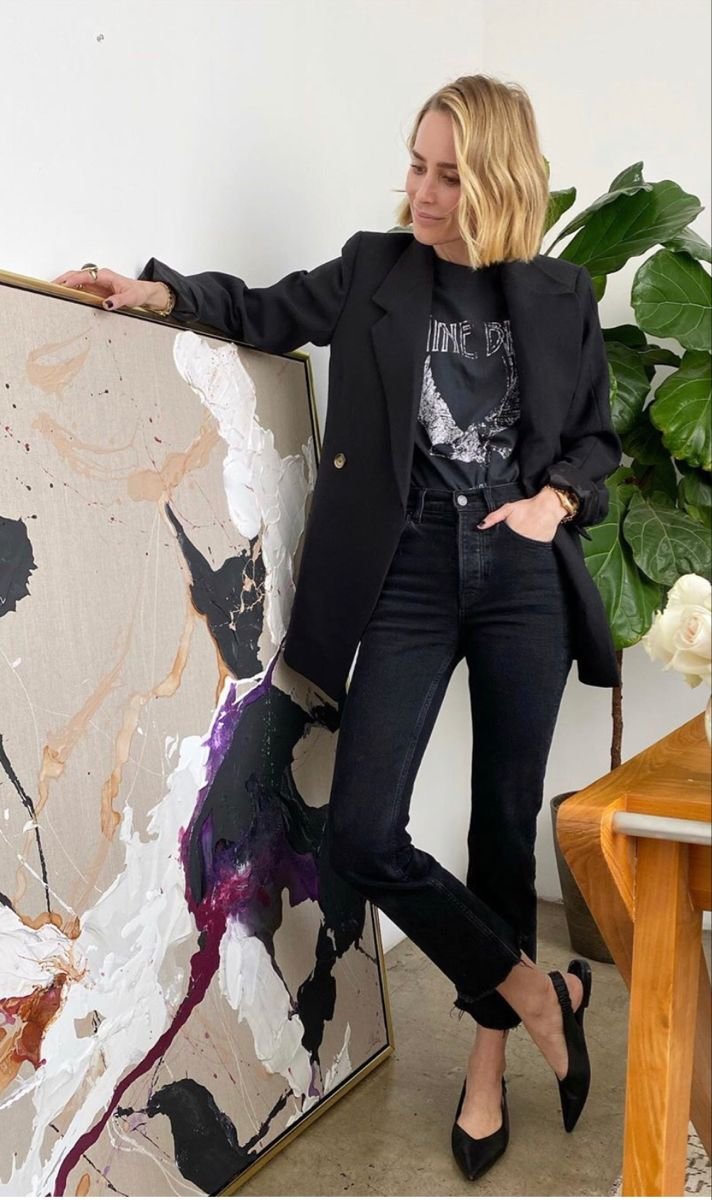
+ BAND TEE & BLAZER +

Smart and Casual Event

Source: VHGSphotography/Pinterest

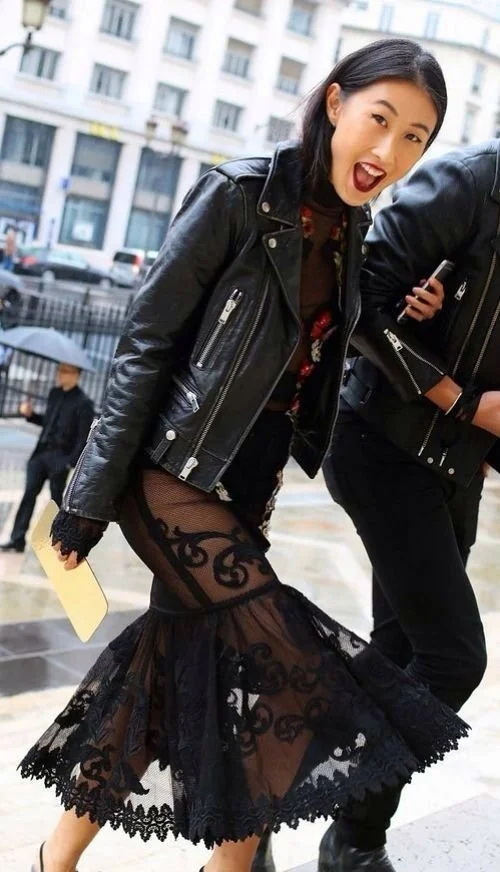
+ BAND TEE & LEATHER +

Rock 'n Roll, Edgy Vibe

Source: MerciTrends / Etsy

Source: lydia_howell953/Pinterest

+ BAND TEE & MAXI SKIRT+

Classic, Timeless Pairing

Source: LuLus

+ BAND TEE & TULLE SKIRT+

Chic and Elevated

Source: Ivana cappuccini

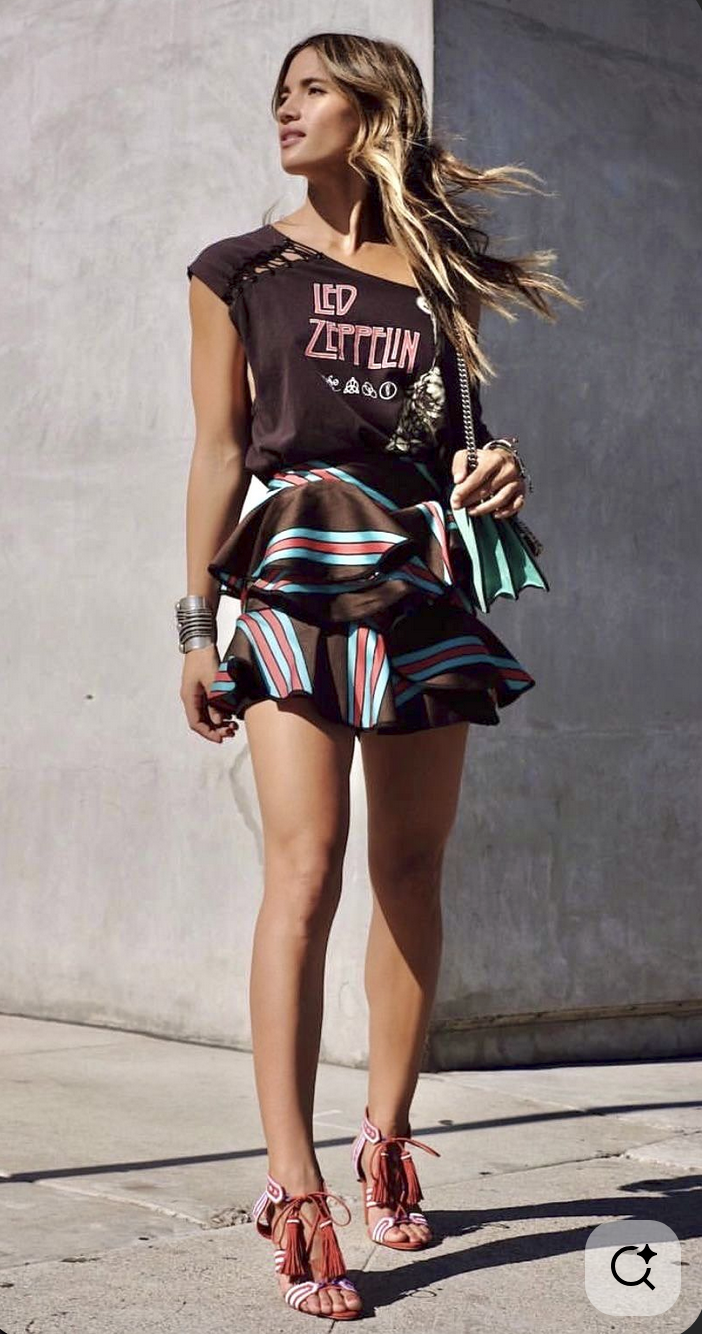
+ BAND TEE & MULTICOLORED,PRINT +

Fun, Energetic Vibe

Source: Juanlu / Pinterest

Source: venusdemilo80 / Pinterest

+ BAND TEE & SKINNY JEANS+

Tomboy, Clean Cut Energy

Source: Annie Bing / Pinterest

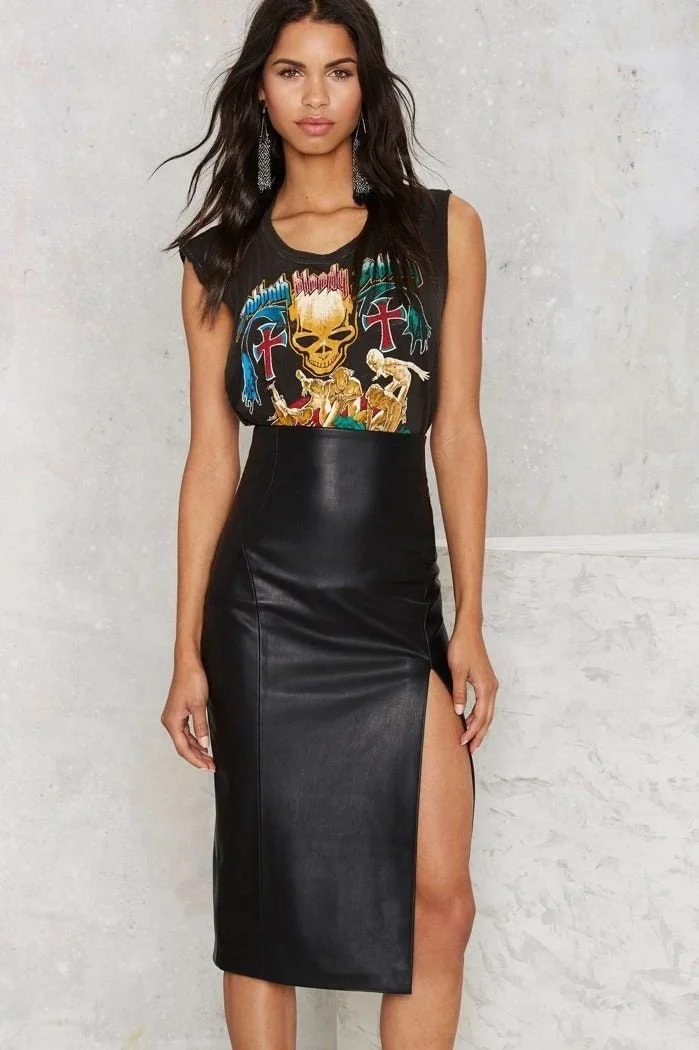
+BAND TEE & PENCIL SKIRT+

Sexy, Confident Aura

Source: Beginning Boutique


For More Than Four Centuries, Ballet Has Remained Center Stage Inspiring The Human Imagination

Night after night audiences dressed in their finest attire pack the theaters to witness classically trained artists perform tales of love, tragedy, and hope. Discover how ballet has been moving audiences and inspiring artists across the globe for more than four centuries.


When actor, Timothy Chalamet commented somewhat jokingly during a recent public segment to Matthew McCoughey that he wouldn’t want to work in — “ballet or opera… where it’s like, ‘Hey, keep this thing alive, even though no one cares about this anymore,” it ignited an uproar from dancers, singers, and lovers of the performing arts around the world.

While ballet (and Opera) may not dominate the headlines or receive “coveted awards” such as the Oscar(s), this extraordinary discipline transcends trends. It has endured revolutions, wars, cultural shifts, and technological transformations — making its way from the royal courts of Renaissance Europe to modern theaters across the globe.

Ballet is the highest form of classical art, blending tradition with modern storytelling. Tales of love, tragedy, and hope are performed, moving audiences and inspiring artists across the globe.

In honor of Ballet and its contribution to the arts and humanity, here are the most iconic ballets that everyone should experience at least once in their lifetime:


JEWELS

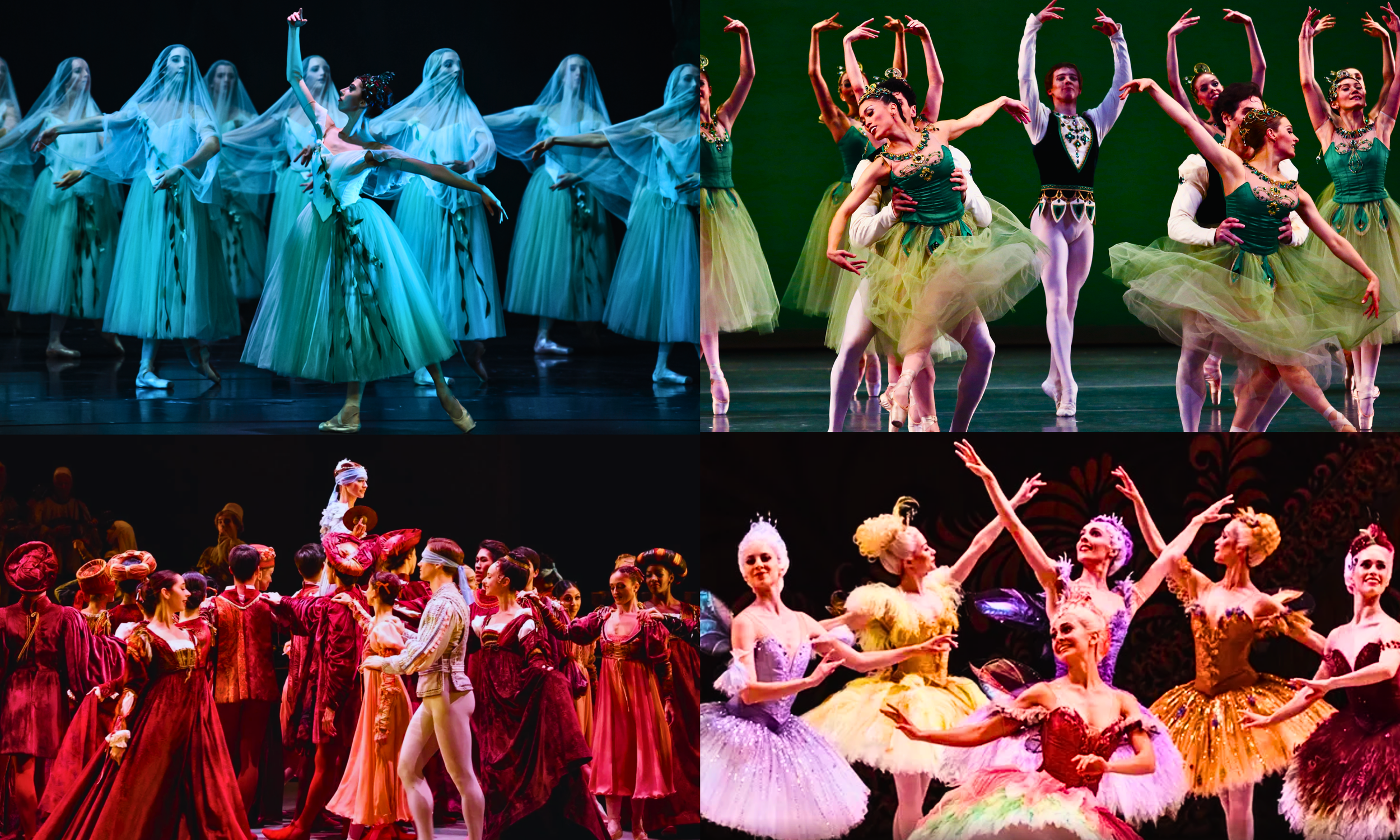
Famous for its dazzling costumes and masterful showcasing of different facets of classical dance, Jewels is a staple in the repertoire of major ballet companies worldwide. Jewels is an iconic three-act, plot-less ballet choreographed by George Balanchine for the New York City Ballet in 1967. It is renowned as the first full-length abstract ballet.

Inspired by jeweler Claude Arpels, the ballet uses gemstone colors to unify three different dance styles in three distinct sections:

Emeralds (French Style) evokes French romanticism with soft, lyrical movement is set to music by Faure.

Stravinsky’s music sets the tone for the Rubies (American Style) representing American neoclassicism, characterized by jazz-influenced, witty, and high-energy dancing.

Dancing to music by Tchaikovsky, the Diamonds (Russian Style) are a tribute to the grandeur of Russian Imperial ballet, featuring large-scale, classical choreography

Source: The Boston Globe

GISELLE

Considered the "archetype" of Romantic-era ballets, Giselle is one of the most performed ballets worldwide. It is a masterpiece of the Romantic ballet era, making its premier on June 28th 1841 at Paris Opera.

Themes of love, betrayal, supernatural vengeance, redemption, and forgiveness are portrayed throughout this ballet’s two acts.

Giselle features a peasant girl who dies of heartbreak after learning that her lover, Count Albrecht, is betrothed to another.

The role of Giselle is highly coveted, demanding both dramatic acting and technical precision. 

Signature moment in Giselle? The eerie second act with the ghostly Wilis dancing in moonlight.

Key elements include Adolphe Adam's haunting score, and iconic, ethereal choreography by Jean Coralli and Jules Perrot, often set in a rustic village and a ghostly forest. 

Source: Gran Teatre del Liceu

SWAN LAKE

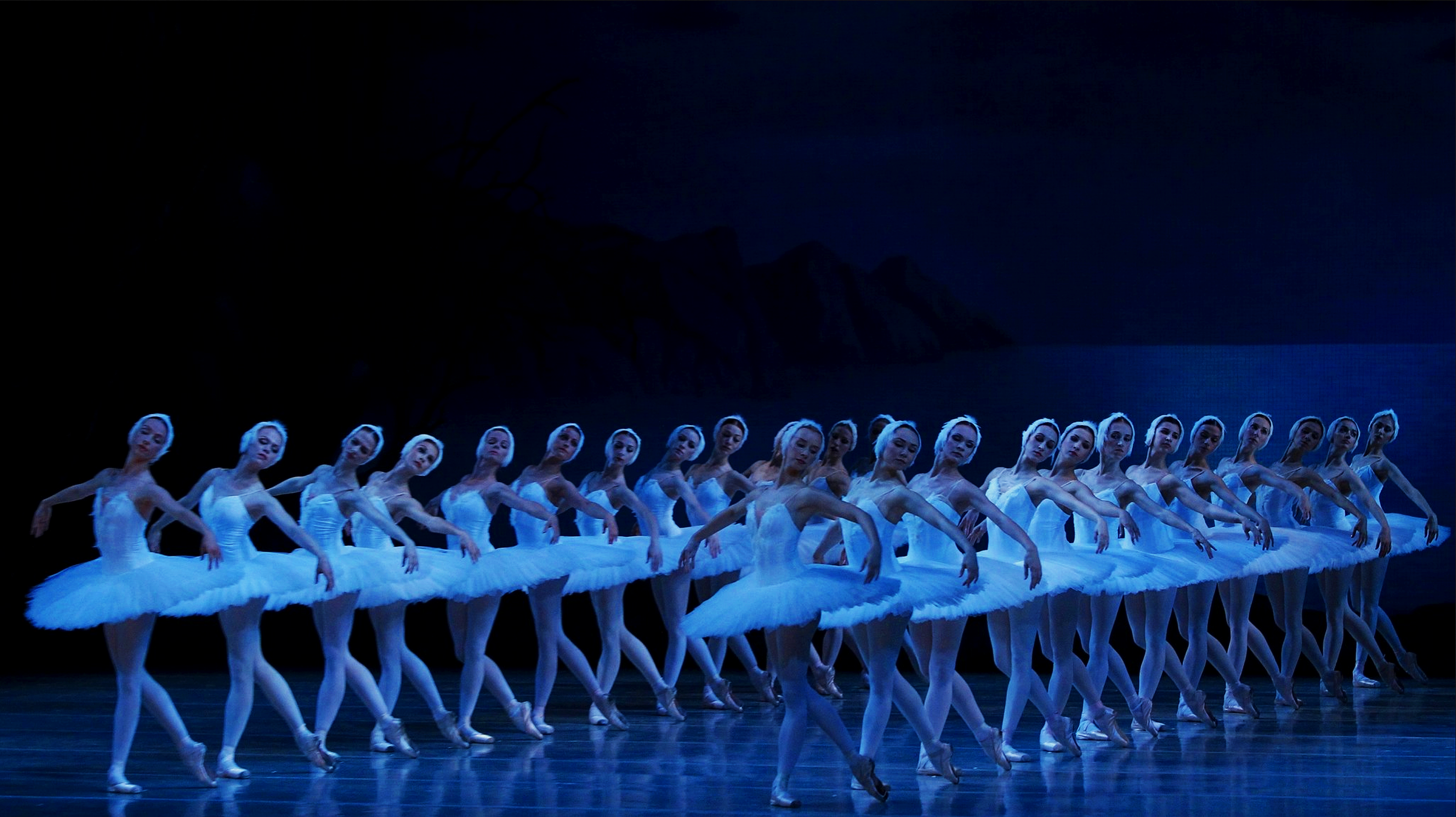
Haunting music by Russian composer Pyotr Ilyich Tchaikovsky (1875-1876) and choreography by Julius Reisinger in Swan Lake, makes this ballet and its epic scenes - the corps de ballet of 24 swans moving in perfect unison - one of the most breathtaking scenes in dance history.

The performance is made up of two acts based on Russian and German Folk tales which tells the story of Odette a princess turned into a swan by an evil sorcerer’s curse. Swan Lake’s most memorable moment? The dancer performing both Odette (White Swan) and Odile (Black Swan) in the same performance.

Swan Lake premiered by the Bolshoi Ballet on March 4th 1877 at the Boston Theater, Moscow. Despite its initial failure, it is now the most popular ballets of all time.

Source: NYTimes

ROMEO AND JULIET  

Romeo and Juliet is one of the most powerful and dramatic ballets ever created.

This 20th century ballet features music composed by Sergei Prokofiev from 1935 and choreographed by Kenneth MacMillan for The Royal Ballet in 1965.

The story follows Shakespeare's plot closely, focusing on the forbidden love between Romeo (a Montague) and Juliet (a Capulet).

The performance includes three acts portraying the intense fleeting love of the characters amidst a violent feud in Verona.

The ballet highlights pivotal moments, including the balcony scene ‘balcony pas de deux’, the ballroom scene, and the tragic finale in the tomb.

Significant emotional dances such as the Dance of the Knights make this ballet so memorable and iconic.

Source: English Ballet Theater

THE NUTCRACKER

While it wasn’t an initial success when it was first performed in st. Petersburg, Russia in 1892, the Nutcracker became a Christmas tradition after it premiered in the West during the 1940s.

Nutcracker tells the story of a young girl, Clara (or Marie), who on Christmas Eve receives a nutcracker doll that comes to life and leads her on a magical journey through a world of toy soldiers and Land of Sweets.

This famous two act ballet featuring music by Pyotr IIyrich Tchaikovsky, plot based on E.T.A. Hoffmann's story The Nutcracker and the Mouse King, adapted by Alexandre Dumas père.

The ballet features iconic dances such as the ‘Waltz of the Flowers’ and the ‘Dance of the Sugar Plum Fairy’.

The magical staging, imaginative characters, and beloved music such as ‘Dance of the Sugar Plum Fairy’ - makes this ballet a staple of the holiday season.

Source: NYTinmes

SERENADE

Considered a ballet without plot, Serenade is an iconic, neoclassical ballet featuring 28 dancers in blue costumes forming intricate, shifting patterns, incorporating real-life rehearsal accidents (like a dancer falling or being late) into the performance.  

Created for students at the School of American Ballet, Serenade was intended as a lesson in stage technique, featuring 17 girls in lines.

Today this ballet is known for its dream-like quality and ethereal ambiance, considered one of the most beautiful and mystical ballets ever created, evoking a sense of community among its dancers.

It consists of four movements—Sonatina, Waltz, Russian Dance, and Elegy—typically performed with a tragic, haunting ending.

Serenade features famous moments like ‘runoff girl’ (who arrives late), a girl falling, and a ‘Dark Angel’ figure.

The mastermind behind the choreography of this ballet was George Balanchine in 1934 who set the ballet to Tchaikovsky’s music, marking this as his first ballet created in America.

Source: New York Times

LA BAYADERE

La Bayadère (The Temple Dancer) is a renowned 1877 classical ballet choreographed by Marius Petipa with music by Ludwig Minkus, telling a tragic tale of love, betrayal, and vengeance set in ancient India.

Nikiya, a temple dancer, and Solor, a noble warrior, swear eternal love. The High Brahmin also loves Nikiya, while the Rajah compels Solor to marry his daughter, Gamzatti.

After Nikiya is killed by a venomous snake hidden in a basket of flowers by Gamzatti, Solor hallucinates her in the "Kingdom of the Shades".

Famous for the "Kingdom of the Shades" scene, it follows the temple dancer Nikiya, her lover Solor, and his forced betrothal to Gamzatti.

The Kingdom of the Shades is acted as a standalone piece, this Act 3 scene is considered a masterpiece of academic classical ballet, featuring 32 dancers in white performing a hypnotic, repetitive descent.

Source: The Independent

DON QUIXOTE

Based on Cervantes' novel, the story follows the young lovers Kitri and Basilio, who must overcome her father’s desire to marry her to the fop Gamache. Don Quixote and his squire, Sancho Panza, aid the lovers in their romantic journey.

Renowned for its high-energy, technically demanding, and spectacular dancing, Don Quixote is a celebrated three-act classical ballet, originally choreographed by Marius Petipa with music by Ludwig Minkus, premiering in 1869.

It is a vibrant, bravura production focusing on the romance between Kitri and Basilio, with Don Quixote and Sancho Panza acting as linking characters. 

Don Quixote is famous for its Spanish-themed, energetically witty choreography and scenes such as the lively tavern scene, vision scene (or the dream of Dulcinea), and the technically demanding Grand Pas de Deux in Act III.

Source: The Times

THE RITE OF SPRING

Although designed as a work for the stage, The Rite of Spring’s specific passages, characters, and action along with its music achieving equal if not greater recognition as a concert piece is what makes this ballet widely considered as one of the most influential musical works of the 20th century.

On premiere night at the Theatre des Champs-Elysees on May 29th in 1913, the avant-garde nature of the music and choreography caused a sensation. The reviews of the performances in 1924 almost a decade later coined the first night reactions to cause a near riot by audiences.

Known as a cornerstone of the classical repertoire and the height of the Romantic era, it was one of the first full-length ballets to feature extensive, dramatic pointe work. 

This ballet’s orchestral concert work by the Russian composer Igor Stravinsky. Written for the 1913 Paris season of Sergei Diaghilve’s Ballets Russes company - the original choreography was by Vaslav nijinsky with stage designs and costumes by Nicholas Roerich.

Source: The Times

THE SLEEPING BEAUTY

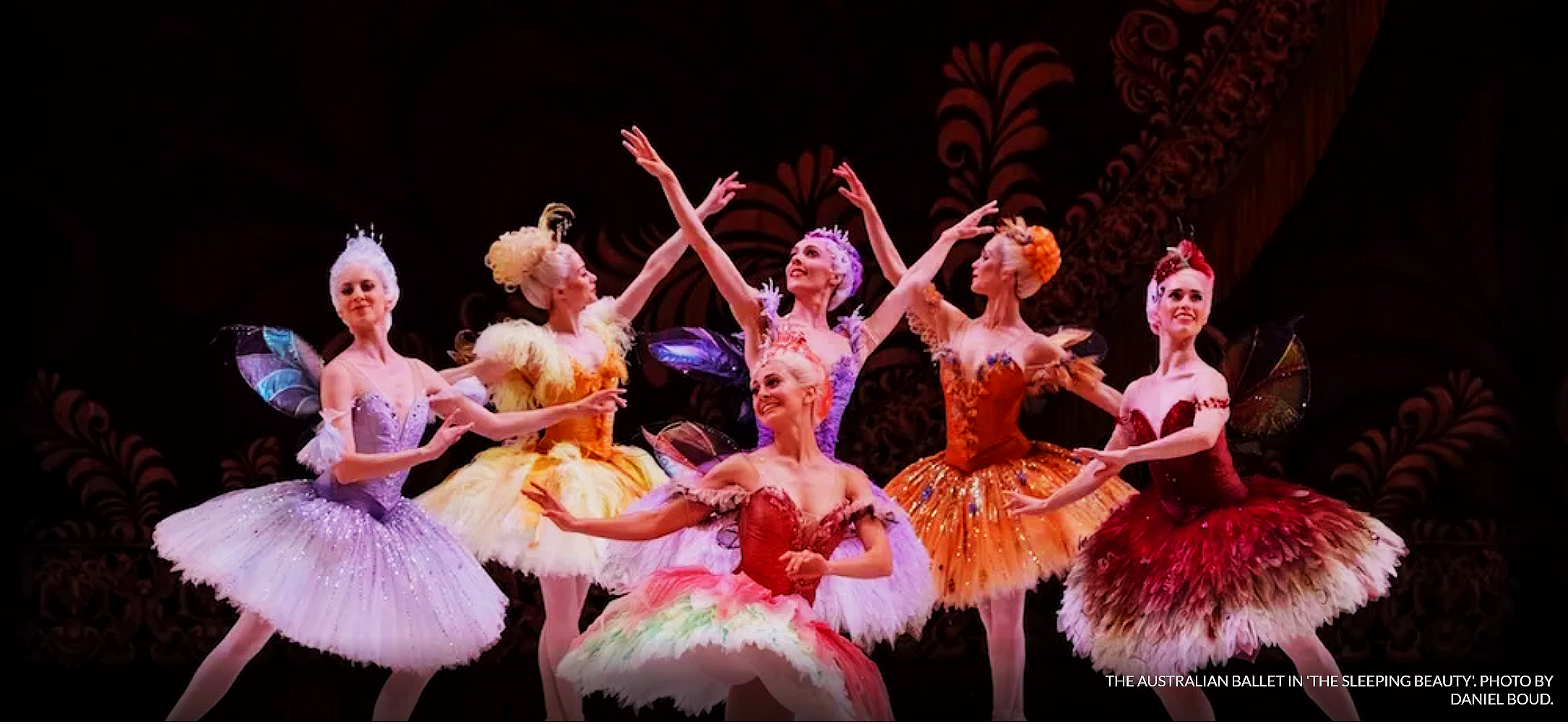
Sleeping Beauty is a landmark 3-act classical ballet by Pyotr Tchaikovsky and choreographer Marius Petipa, premiered in 1890.

It follows Princess Aurora, cursed by Carabosse to sleep for 100 years after pricking her finger, only to be awakened by Prince Désiré's kiss.

The ballet is famous for its classical repertoire, high technical demand, and scenes such as The Rose Adagio, The Lilac Fairy's dance, The Bluebird Pas de deux.

Source: English National Ballet

COPPELIA

Coppélia is a comic ballet from 1870 originally choreographed by Arthur Saint-Léon to the music of Léo Delibes, with libretto by Charles-Louis-Étienne Nuitter.

Nuitter's libretto and mise-en-scène was based upon E. T. A. Hoffmann's short story Der Sandmann. In Greek, κοπέλα means young woman.

This ballet’s special element? A playful story about a mysterious inventor and a life-like doll with its signature moment when Swanilda pretends to be the mechanical doll.

Source: Bolscho Ballet


A Signature Color Palette for Every Region Across the Globe, What’s Yours?

Warm hues such as crimson reds to citrus oranges tend to energize and draw focus, while cooler tones such as ultramarine blues to veridian greens mesmerize and calm — proving that color plays a powerful role in shaping our emotions, behavior, and perception.


“Life is a sea of vibrant color. Jump In,” A.D. Posey.


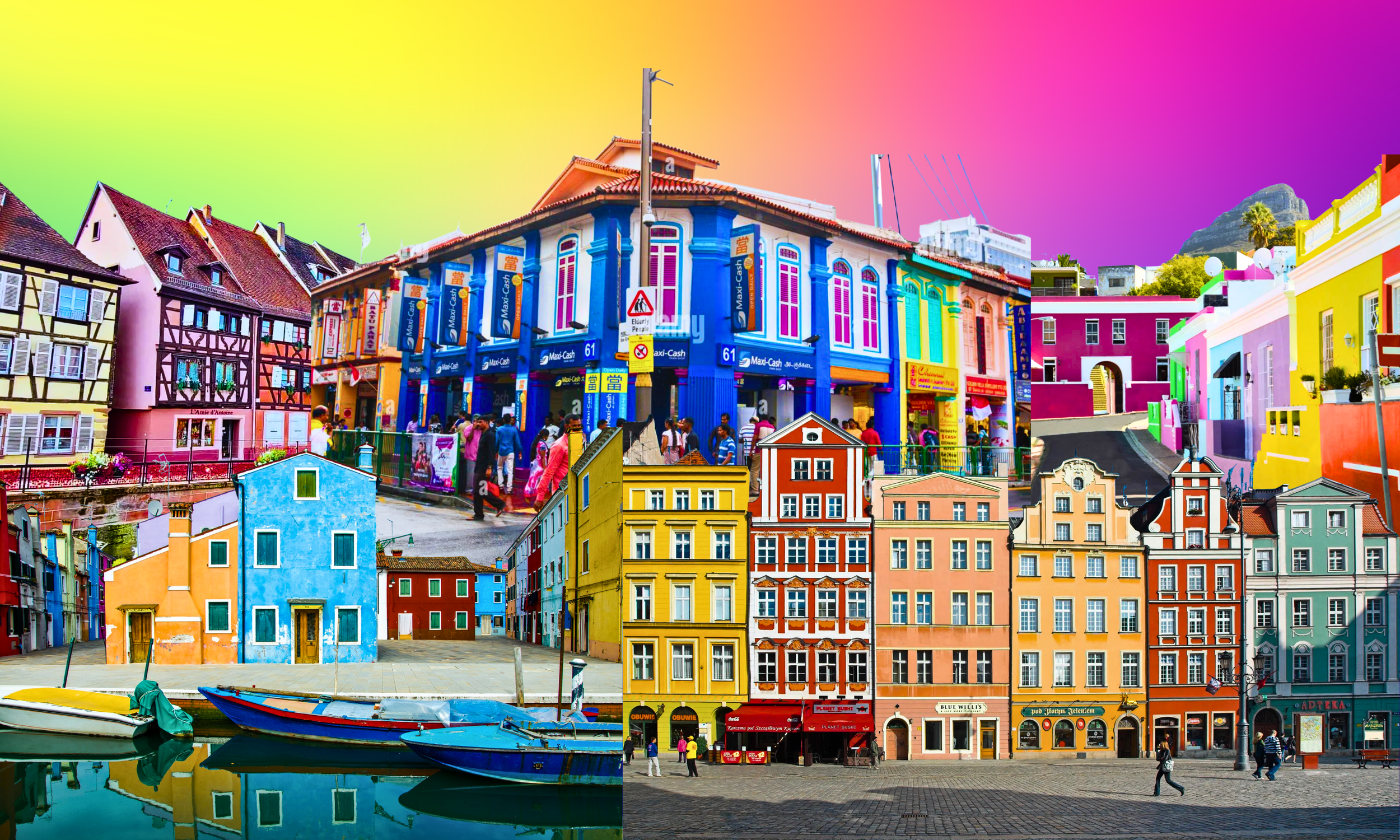
Every city, town, or region across the globe has a signature color palette that properly reflects its community, traditions, and local history.

The first invented pigments – a mixture of animal fat, burnt charcoal, soil, and chalk producing a basic palette of 5 colors: red, yellow, brown, black, and white - were used by humans over 40,000 years ago in cave paintings and burial rituals.

In ancient civilizations, colors were linked to status and spirituality. Egyptian artists used specific pigments to symbolize rebirth, life, or protection and medieval artists used color to communicate Biblical meaning to illiterate populations.

During the Renaissance, new pigment trade routes expanded artistic expression. In the 19th century, industrial chemistry revolutionized fashion and art with the first synthetic dyes.

Soon after people began experimenting and theorizing the origins of color. First came Aristotle who claimed the belief that all colors came from mixing black and white (aka: light and dark).

Then in the 1660s, Isaac Newton used a prism to prove that white light contains a spectrum of colors (ROYGBIV) which led to the invention of the color wheel (Red, Yellow, and Blue – the primary colors).

Goethe and others challenged Newton with experimental theories and artists developed new pigments, surpassing the muddied natural mixes.

More than just aesthetics, today color exists as an architectural language to guide movement, reflect cultural heritage, and highlight national, regional, or personal identity. This intentional use of color is most evident in these unique and super-saturated regions:


Istanbul, Turkey

Color is its most obvious in the tiles, markets, mosques, and neighborhoods of Istanbul, Turkey. Within this region - deep blues, bright golds, and radiant reds - hold a sacred meaning and serves to reflect Istanbul’s role as the intersection of Eastern and Western cultures. Color mosaics, tiles, and painted wooden houses reflect Ottoman artistic traditions.

Image Source: Heritage Travel Instagram

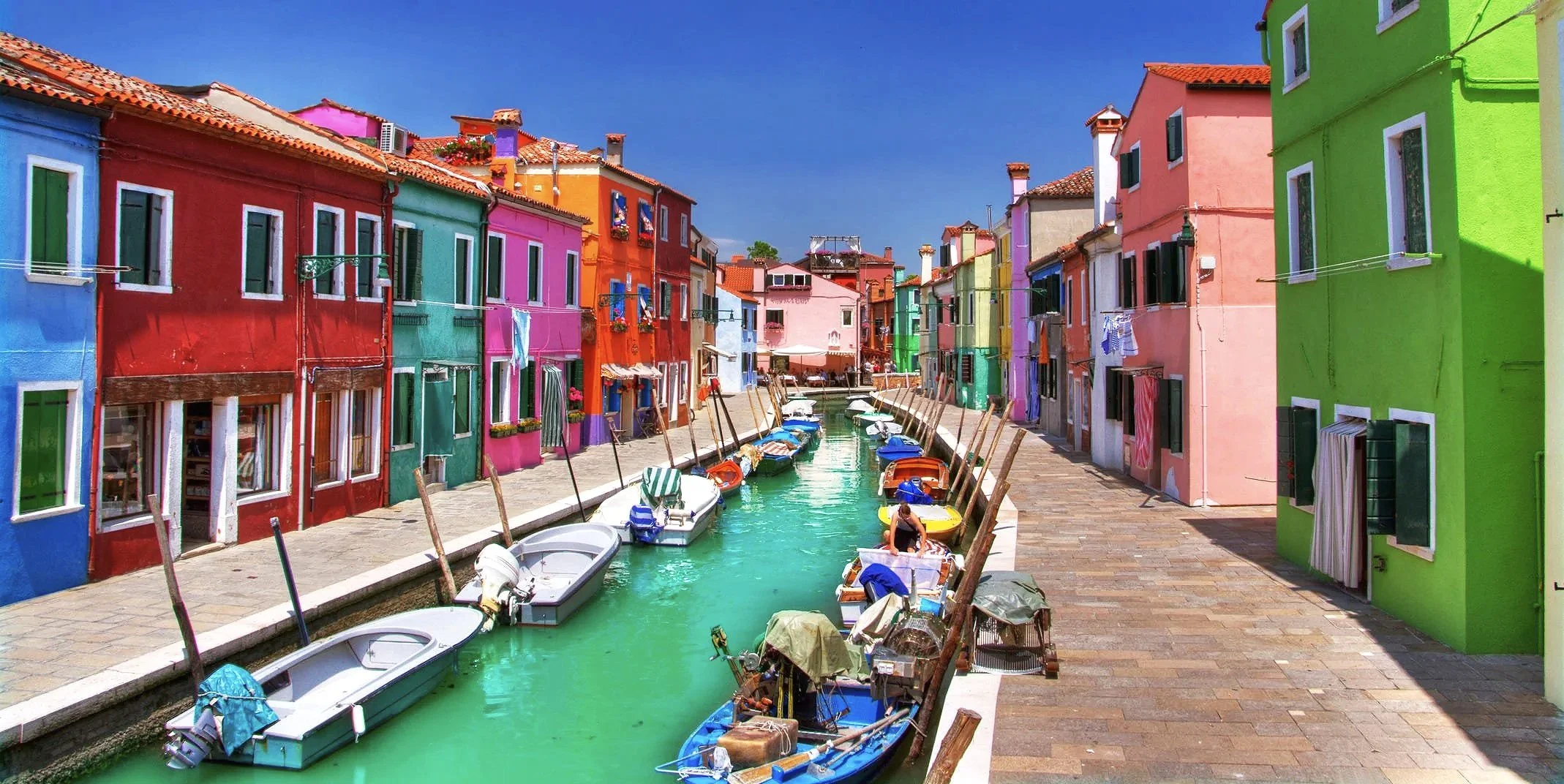
Burano, Venice, Italy

Where the bright colors help fishermen find their way home through fog on the lagoon. Today, this small colorful island’s saturated palette has become a cultural signature, making this destination a playful and welcoming character.

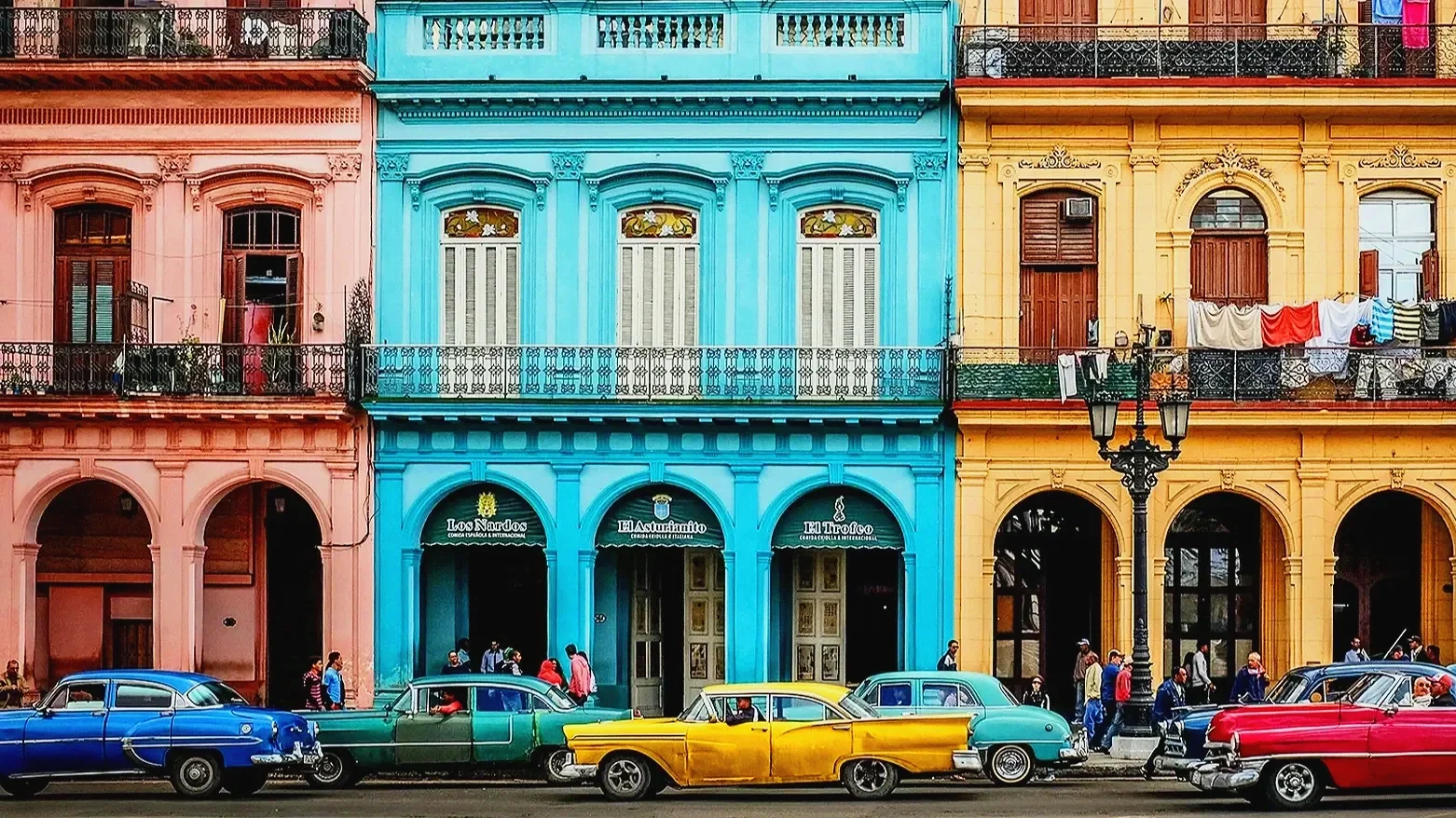
Old Havana, Cuba

Bright pastel-colored buildings reflect the aesthetics of colonial era, warmth and resilience of Cuban culture, and tropical Caribbean light. Despite periods of economic difficulties, restoring the color of their buildings has become a symbol of heritage, pride, and revival.

Colmar, France

Half-timbered houses are painted in soft pastel hues that reflect medieval color-coding practices (which indicated function or ownership). Today these homes convey fairy-tale charm, regional pride, and historic connection.

Image Source: France Guide

Jaipur, India

Seas of terracotta and blush shades cover this bustling city, earning Rajasthan’s capital the nickname Pink City. Much of the city’s rosy hue comes from the natural sandstone used to build many of its renowned landmarks such as the jaw-dropping, honeycomb palace, Hawa Mahal. Many of the other buildings in the city were painted to match the orangey-pink hue in 1876 for a visit from Prince Albert and Queen Victoria.

Image Source: The Times Travel

Las Palmitas, Pachuca, Mexico

This Mexican hillside neighborhood was once impoverished with high crime rates. That was until a group of government-funded artists, led by Enrique Gómez, began to turn the cluster of homes into a giant work of art while helping the locals find jobs.

The muralists and residents worked together to paint 209 buildings in swirling patterns, with a few also displaying portraits of the locals. Since the mural's completion, the small Mexican neighborhood has risen to international fame, as well as turned into a place filled with community spirit.

Image Source: Expedia

Bo-Kaap in Cape Town, South Africa

In the 1760s the rental homes in this region were built for enslaved people from Malaysia, Indonesia, and across Africa by Dutch colonialists. At the time, the leases required all houses to be painted white, but once the inhabitants were able to buy and own property, they painted the homes vibrant shades as an expression of freedom.

Image Source: Wikipedia

Peranakan Houses, Singapore

The history of Singapore’s Peranakan culture dates back to the 15th century, when Chinese immigrants began settling in the then-Malaya and worked as traders. 

As the area developed, merchants began showcasing their wealth by decorating their shops with colorful motifs and intricate tiles.

Today this region is a candy colored wonderland celebrating the rich culture and traditions of the Peranakan people.

Image Source: Trip Advisor

Chefchaouen, Morocco

The Blue Pearl of Morocco where every building and alleyway of this former fortress town in the Rif Mountains is covered in a charming blue tones.
Some say the city was painted blue by Jewish refugees from Spain in the 1930s to reflect the divine, while others believe it represents the color of the sea and keeps mosquitos away.

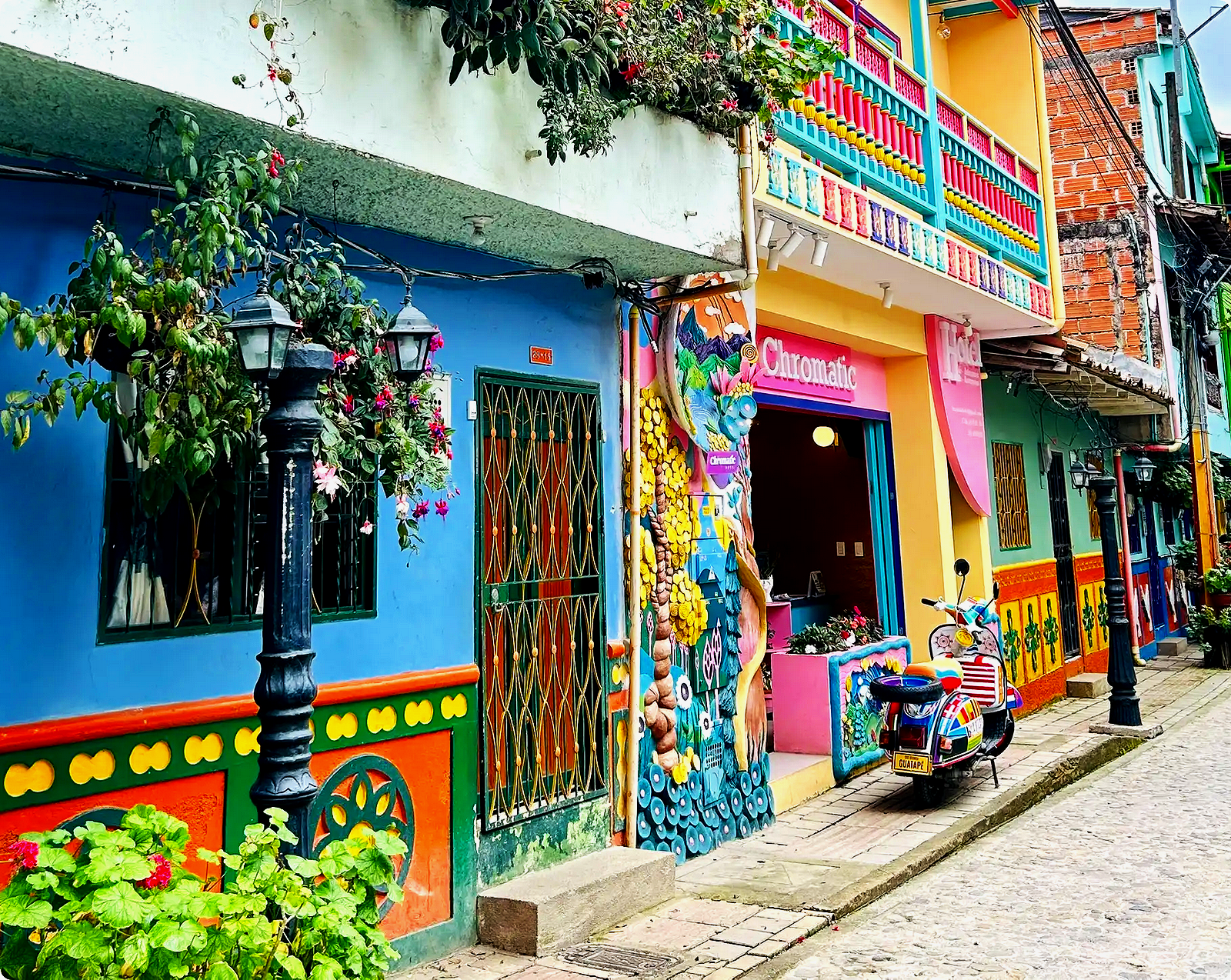
Guatapé, Colombia

Residents and shop owners often decorate their home facades in fresco-like panels, depicting anything from colorful flowers to adorable animals to sweet treats on the bakery doors. It’s unclear exactly when and why the tradition had started but that hasn’t stopped the city from preserving its winding rainbow streets that feel straight out of a storybook.

Image Source: Flora Travel


The Enduring, Inspiring Spirit Of Americana

No form of human expression has been championing the untamed spirit of 19th century Americana - The Wild West - and its rich cultural legacy since Its origins or most consistently than the field of fashion.


America is a nation founded by the rejection of monarchy and inherited privilege. It is the only place in the world where authority is questioned, innovation is celebrated, and freedom of expression is prized.

And the Americana spirit? It is the belief that change is possible, life can be made better, and that the individual has agency. It is founded upon three fundamental traits: Individualism (belief that each person has the right and duty to shape their own life), Idealism (idea that society can be improved and obstacles are challenges to overcome), and Frontier Mentality (their early settlers constantly pushed into unknown territory). Is it any wonder that the Wild West – the ultimate symbol of the spirit of Americana - would have such an enduring influence on culture?

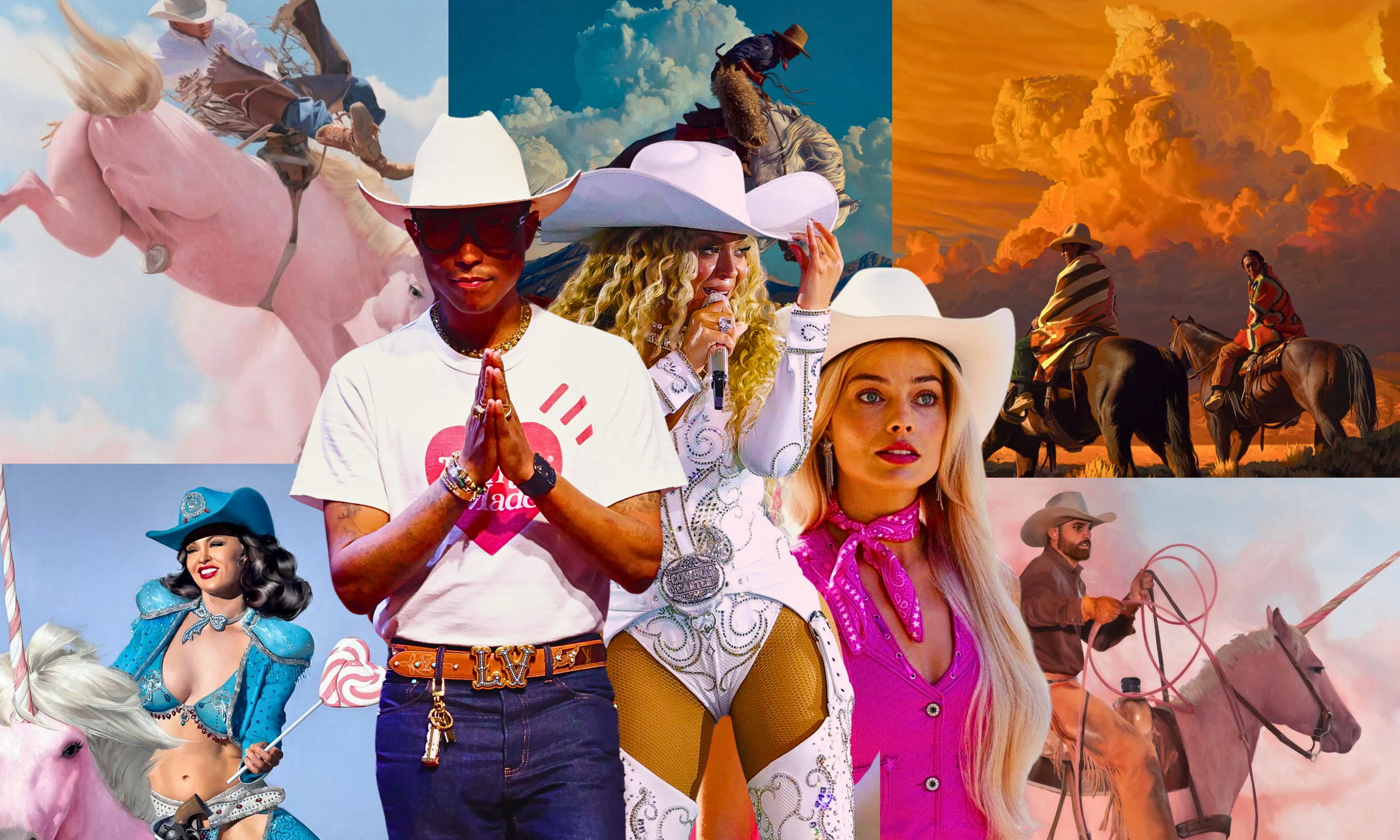
Aside from serving as a source of inspiration in fashion, it is also the muse for every genre of film, literature, music, and art known to man with recent appearances in pop culture such as ‘Barbie’ Movie (2024) featuring Margot Robbie and Ryan Gosling [Film], Pharrell Williams’ Louis Vuitton Runway Collection Debut [Fashion], Beyonce’s most recent album ‘Cowgirl Carter’ and tour [Music & Entertainment], and Western Landscape Oil Painter Mark Maggioni & Will Cotton’s inspired interpretations of cowboys and girls of the Old West [Arts].


FASHION

Of all the forms of creative human expression – none has been championing the untamed spirit of 19th Century America and its rich cultural legacy since its origins or most consistently than the field of fashion.

Western Wear began as collection of durable but comfortable clothing designed to withstand the harsh conditions of the Wild West.

The basics included: a wide-brimmed hat, an ordinary shirt, cowboy vest, cotton or wool pants, leather caps, boots with spurs, and handkerchief around the neck.


HISTORY

Men weren’t the only ones with riding and roping skills – women spent just as much time on the ranch and were just as skilled. They also required practical clothing for their daily routines to the point where they began wearing their husbands, fathers, and brothers’ clothes.

With the introduction of the Wild West in the 1900s, split skirts became increasingly common among western women. This fashion item liberated them to compete with men in various events.

Then in 1910, icons such as Annie Oakley, Calamity Jane, and other women from the Wild West began paving the way for the future of cowgirls’ fashion. This functional attire gradually transformed into a distinctive fashion style recognized worldwide.


DISCOVER

Feeling Bold? — Shop your own Western Inspired look with these curated items:


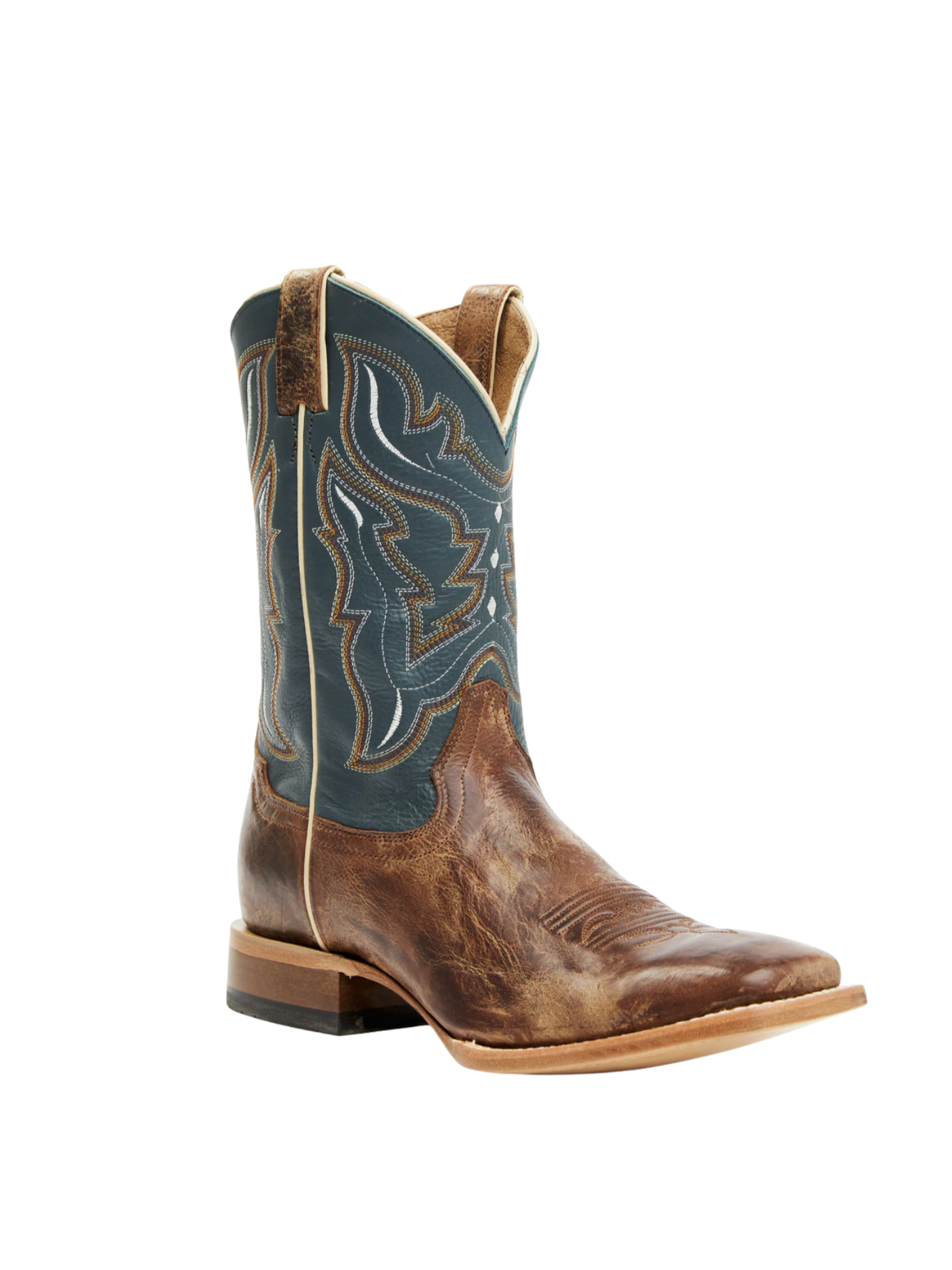
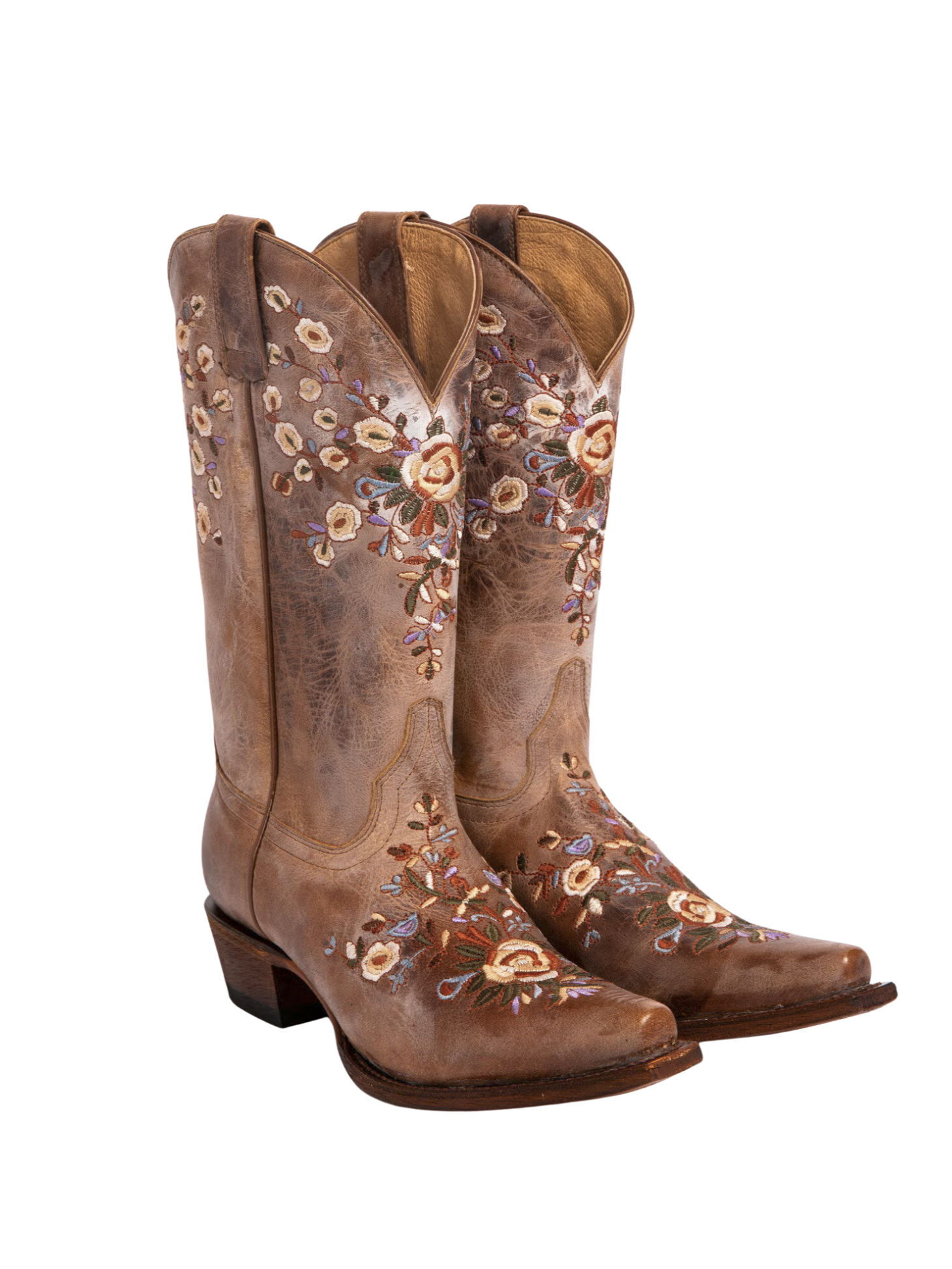
COWBOY BOOTS

Initially designed for horseback riding, cowboy boots have a high top to protect the legs, a heel to anchor the boot in stirrups, and pointed toe for ease of sliding into the saddle.


Men’s Western Boots at Cody James for $210

Women’s Cisco Cowboy Boots $69.99

Floral Embroidered Womens Boots at BootBarn for $200

Matisse Gauche Cowboy Boot Shoe, DSW $79.99


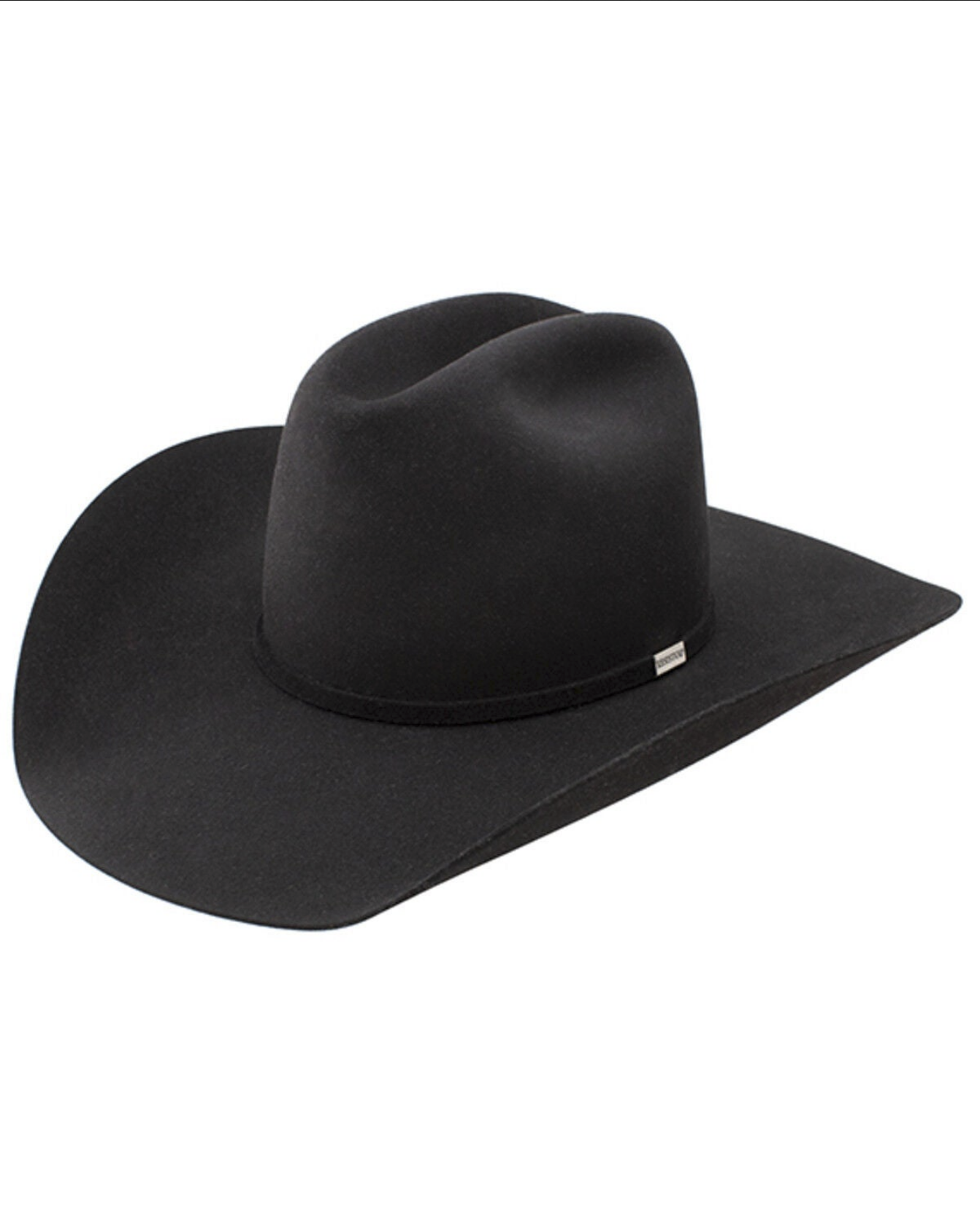
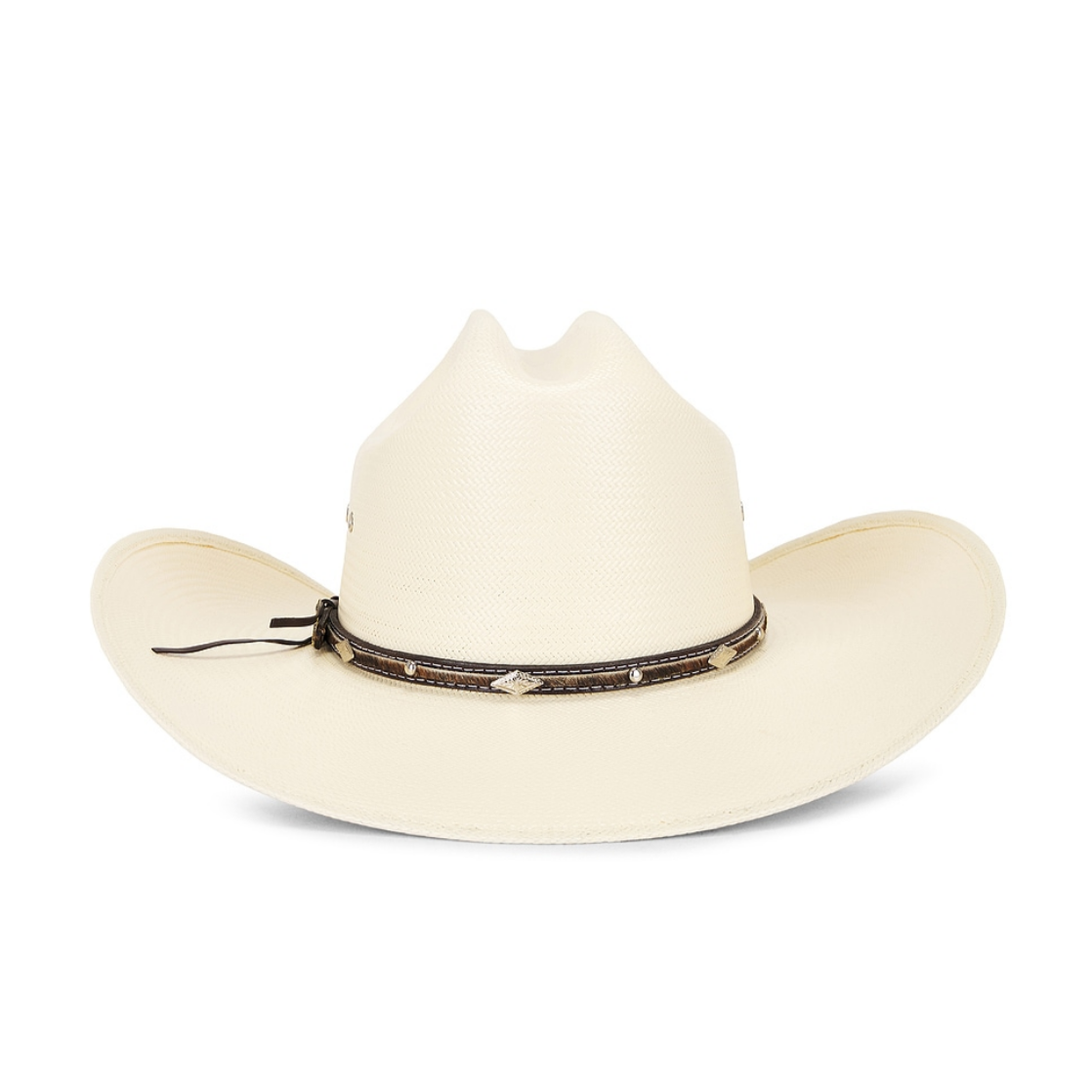
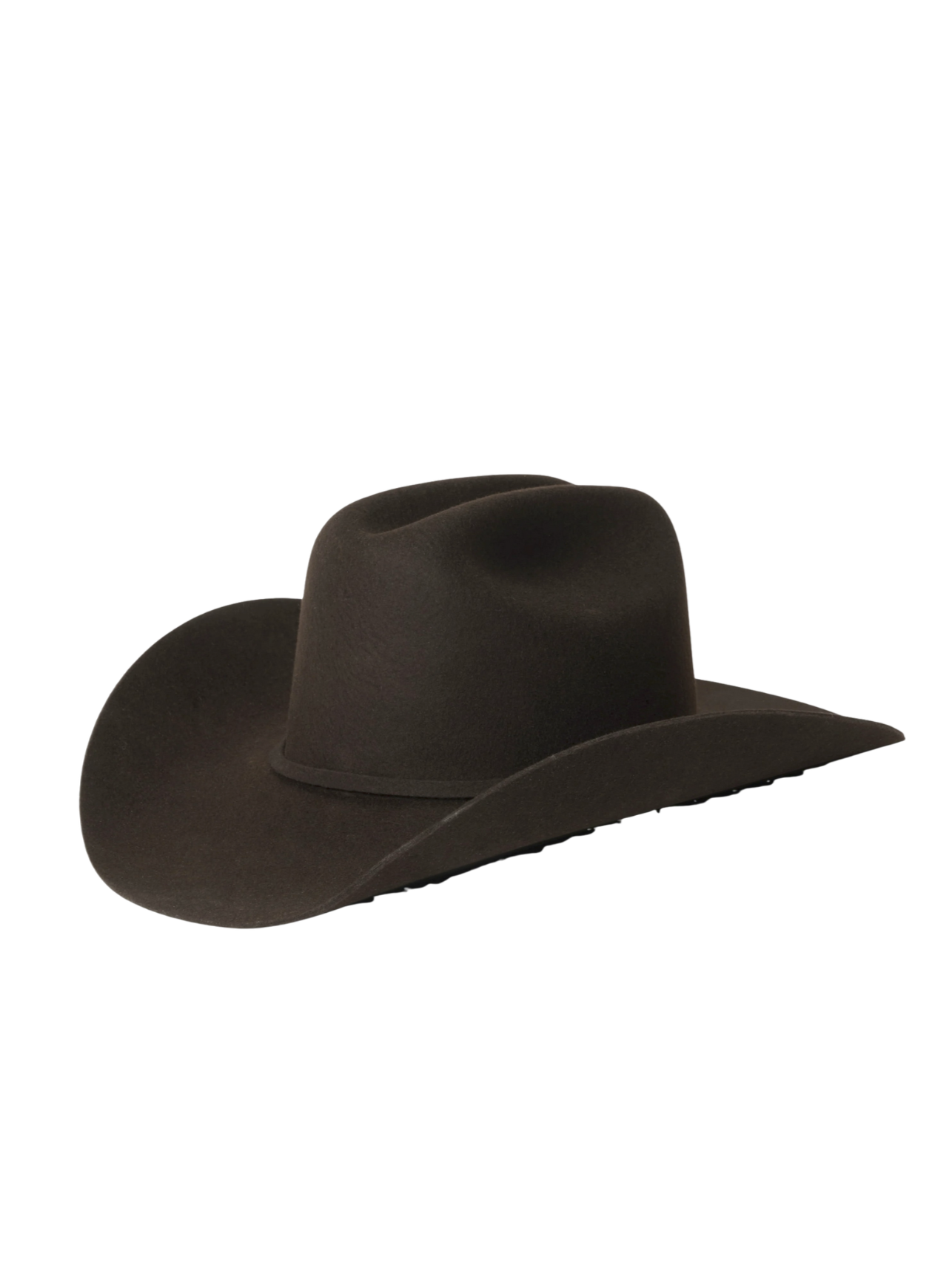
COWBOY HATS

Cowboy hats shielded wearers from the harsh sun and inclement weather of the open plains. It was typically made of felt or straw, and is synonymous with Western fashion. 


Five Star Cowboy Belt Hat at BootBan for $218

Brindle 4X Cowboy Hat at Revolve for $170

4X Corral Cowboy Hat at Tetson for $170

Stetson Corral 4X Cowboy Hat $189


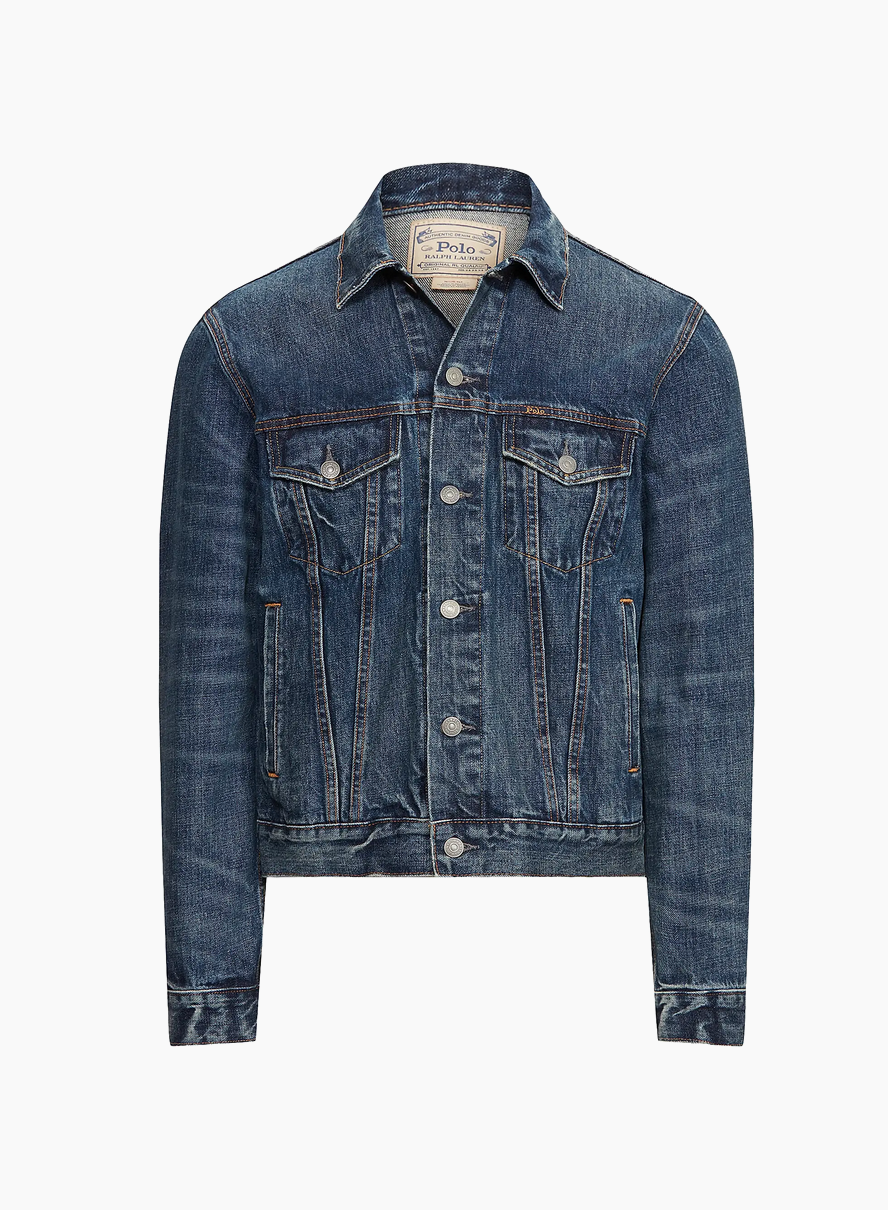
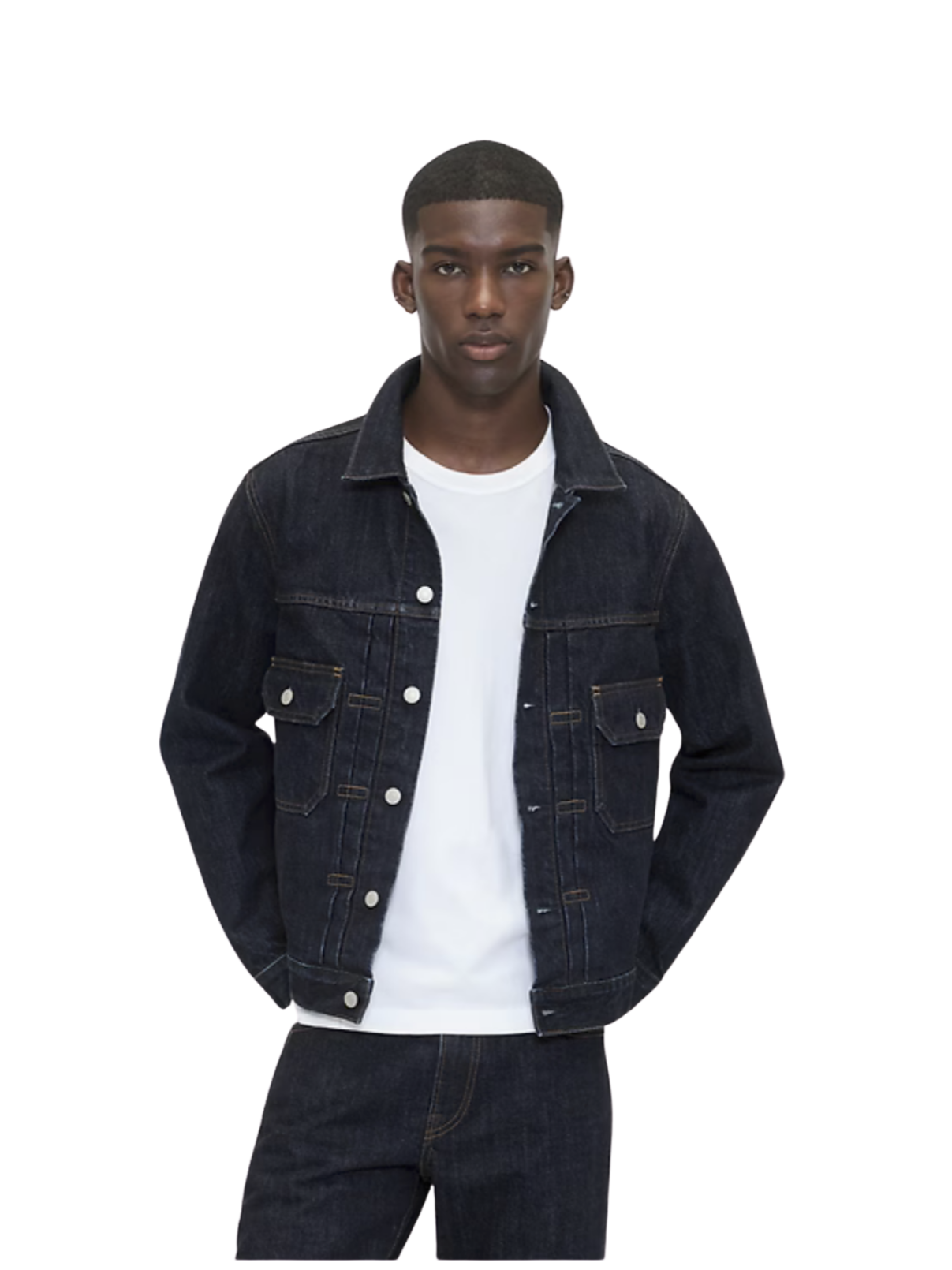
DENIM

Initially favored by miners and cowboys for their durability, today they are celebrated for their comfort and versatility.


Faded Denim Jacket at Polo Ralph Lauren for $198

Women’s 94 Wide Leg Jeans at Macy’s for $50

Heavyweight Denim Jacket at Gap for $78

514” Mens Straight Fit Jeans at Levis for $75


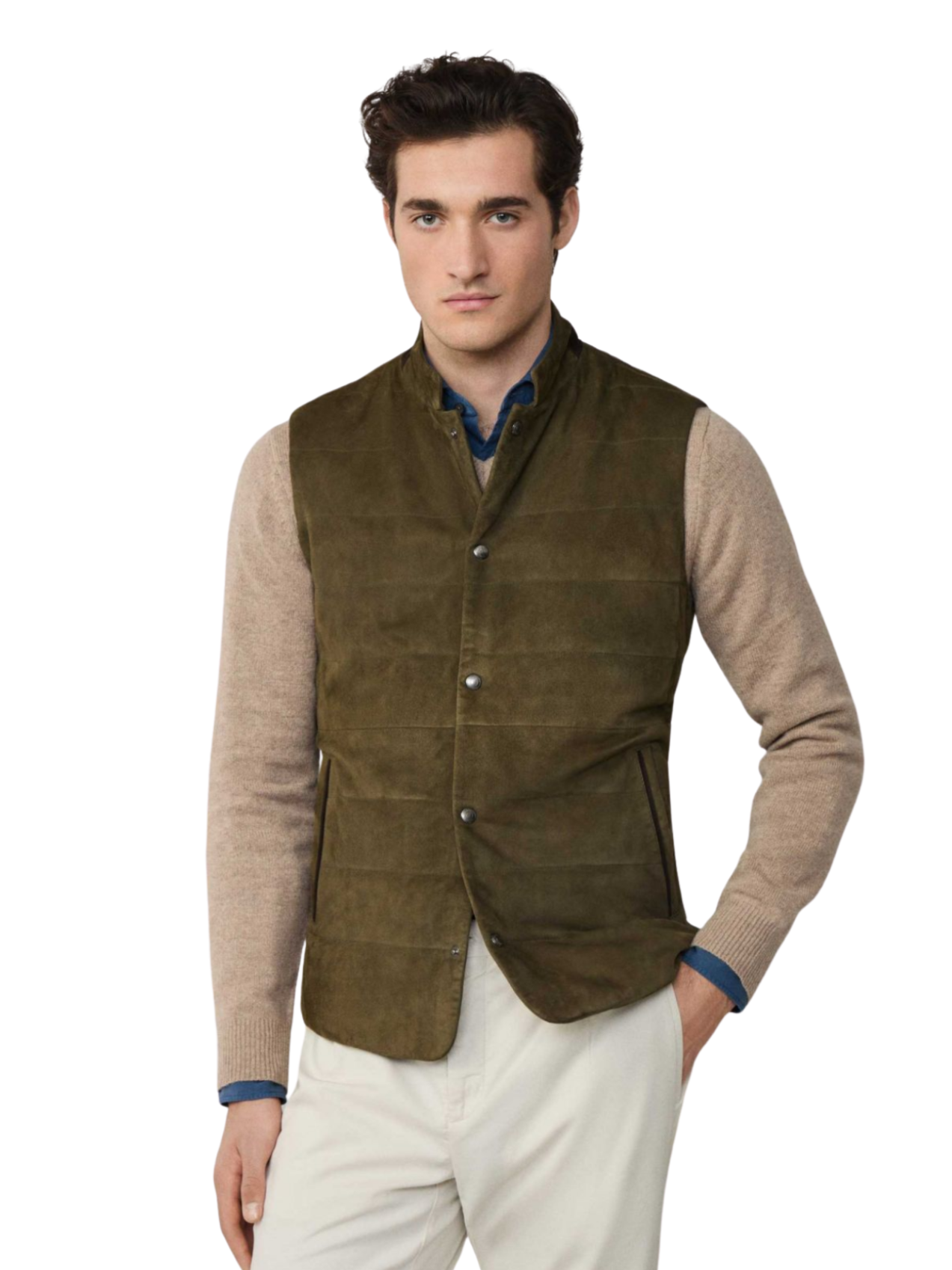
SUEDE

This fabric is often seen in vests, jackets, and chaps in Western fashion adding a touch of elegance and luxury. 


Cutaway Suede Vest at Madewell for $199

Crosby Suede Vest at Alice & Olivia for $318

Classic Suede Double Vest at Sacs Fifth Ave for $689

Regent Gilent Suede Jacket at JulesB for $218


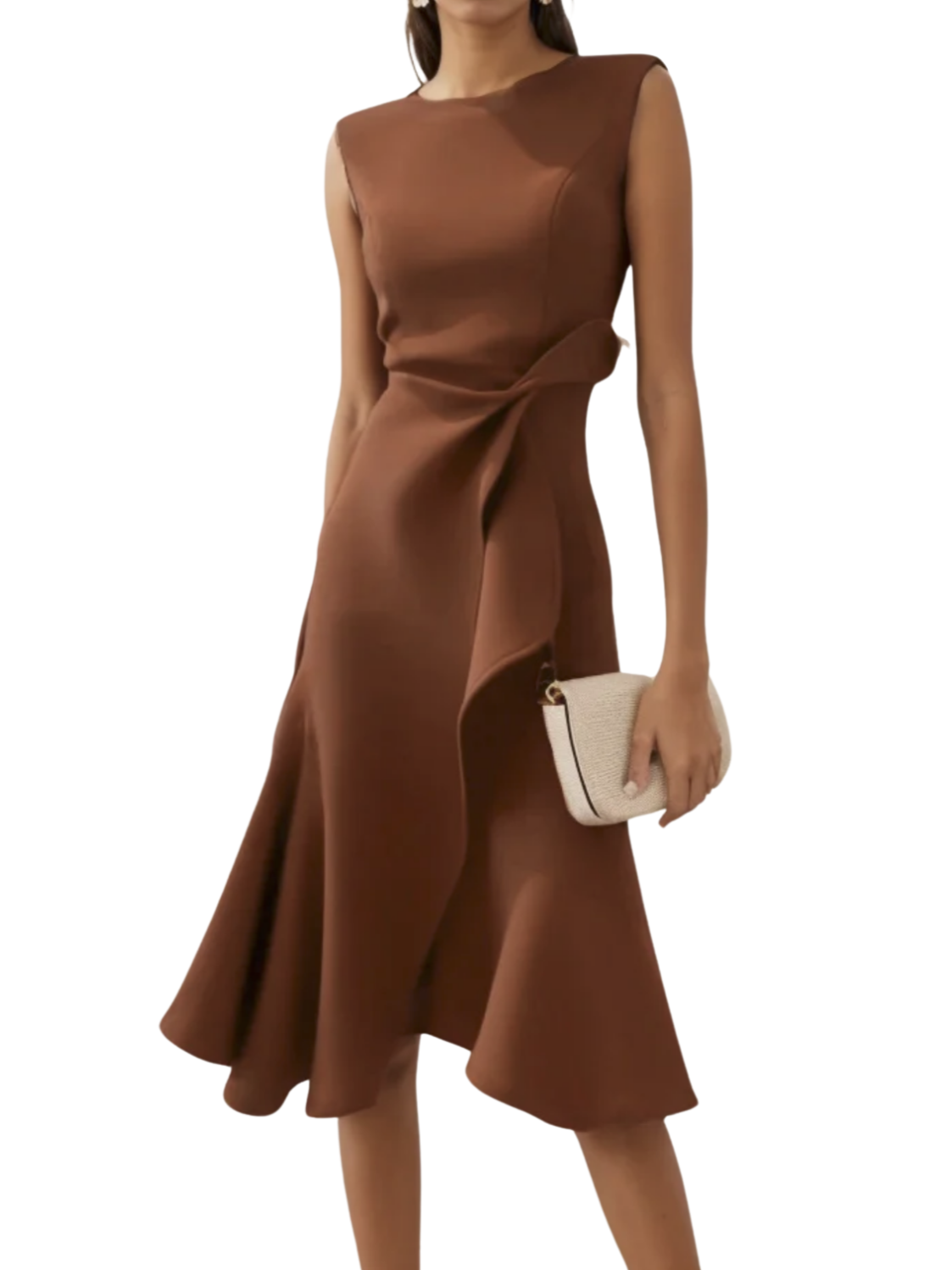
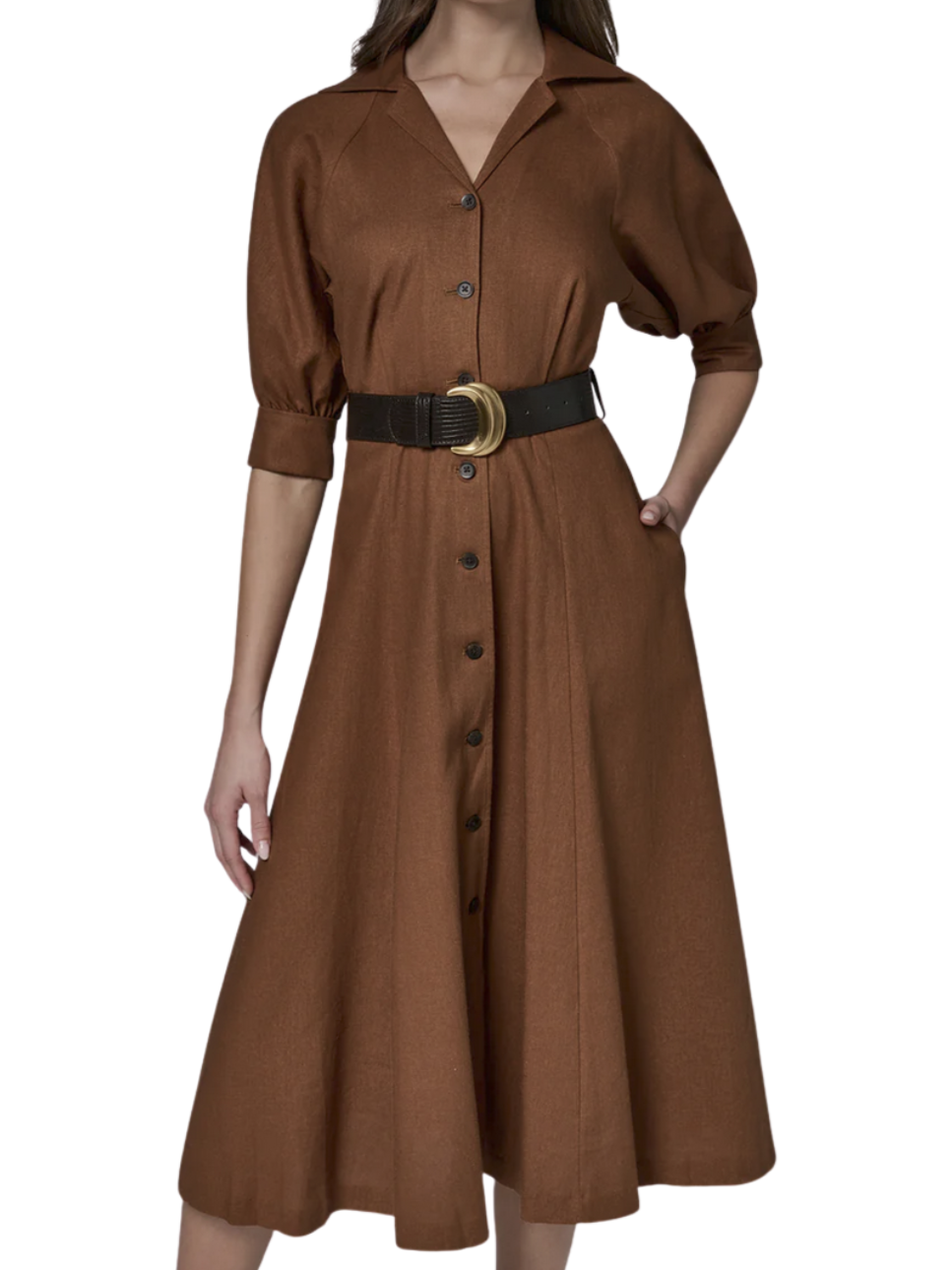
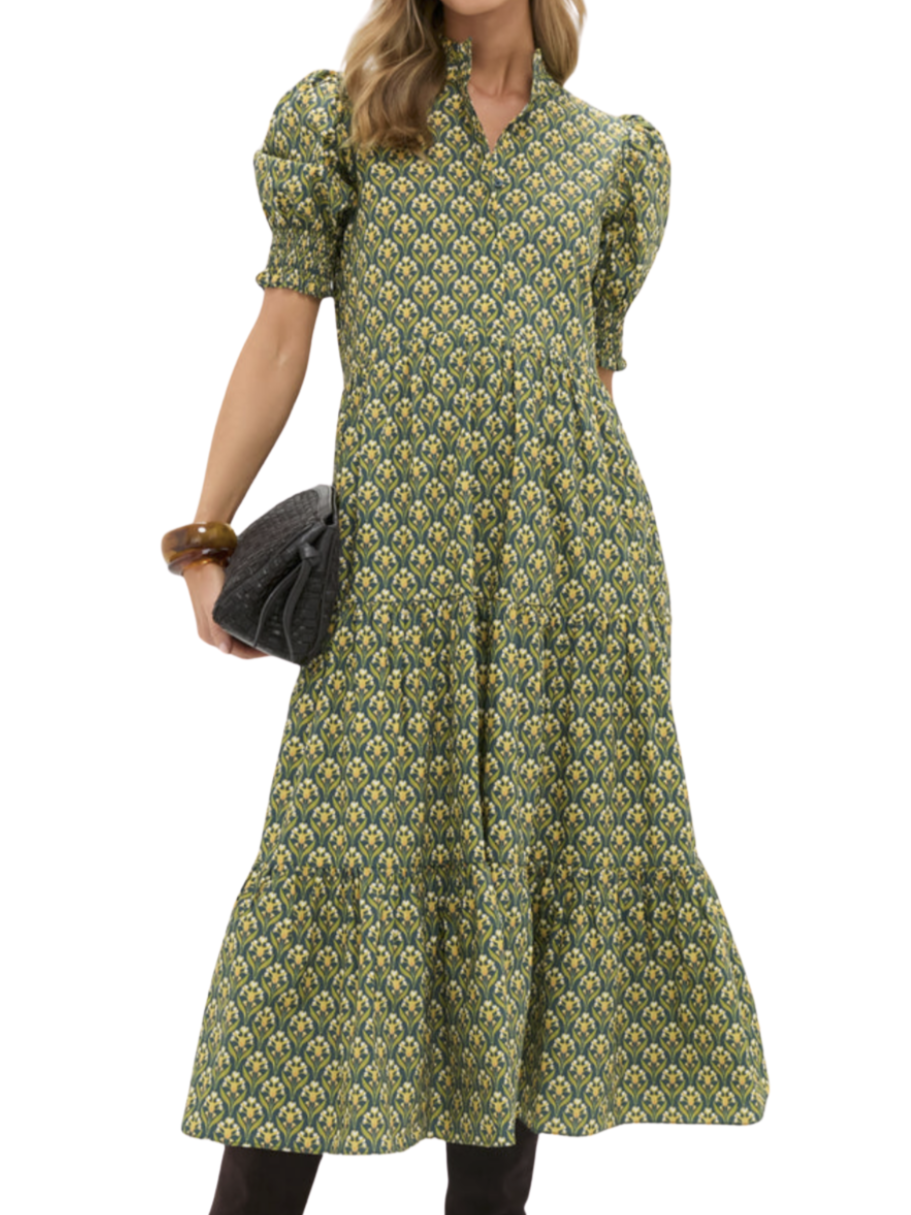
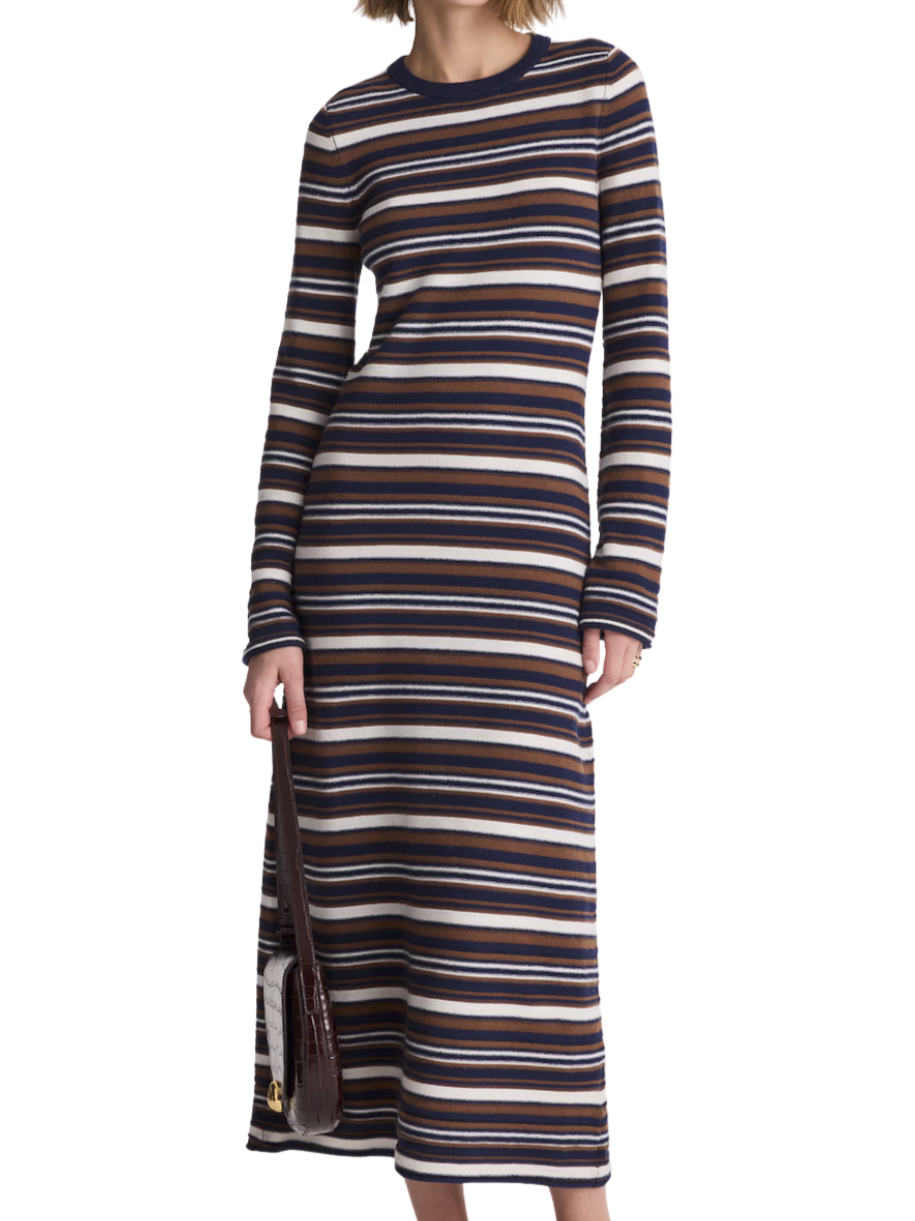
DRESSES

Earth toned and flowy fabrics are characteristic of the Western aesthetic, meant to be simple, easy to pair, and fashion forward.


Boat Neck Sleeveless Dress at Red Asymmetry for $139

Linen Midi Dress at Donna Karen for $199

Green Floral Maxi Dress at Tuckernuck for $168

Crewneck Sweater Dress at Madewell for $150


Man’s Best Friend & Artists’ Greatest Muse

Throughout history dogs have provided humans with unconditional love, unwavering devotion, and divine companionship. Is it any wonder that they would appear in some of history’s greatest works of art?


Its all thanks to Pablo Picasso in the 1980s - 1990s that led to the demand and prices of artwork featuring dogs to skyrocket. It was during this time when Picasso began featuring his canine comrades in his work with his most most notable painting featuring his 'Dachshumd named Lump.

HISTORY & SYMBOLISM

The very first artwork to depict canines were discovered in cave paintings, symbolizing protection and companionship.

In Ancient Egypt dogs signified guardianship, intuition, and the bridge between life and death.

Lapdogs served as an allegory for faithfulness, fidelity, and high social standing during the Renaissance and European portraiture.

Images of dogs were carved on tombstones - most notably during the Middle Ages - represented the deceased’s feudal loyalty.

During the 16th and 17th century when only nobility were allowed to hunt, paintings of hunting scenes featured dogs communicated high social status and aristocracy.

Overseas in Japan (the Edo Period, 1615 - 1868), miniature sculptures called ‘netsuke’ served as artistic works and as toggles for cords used to attach small objects, boxes, or pouches to kimonos (traditionally have no pockets) were very popular.

GREATEST MUSE IN HUMANITY

Surprise! This means that from cave paintings to Ancient Egypt to the 17th century to today - man’s best friend has been making an appearance in art for over 30,000 years!

Take a gander below to see some of the greatest canine-inspired works of art.


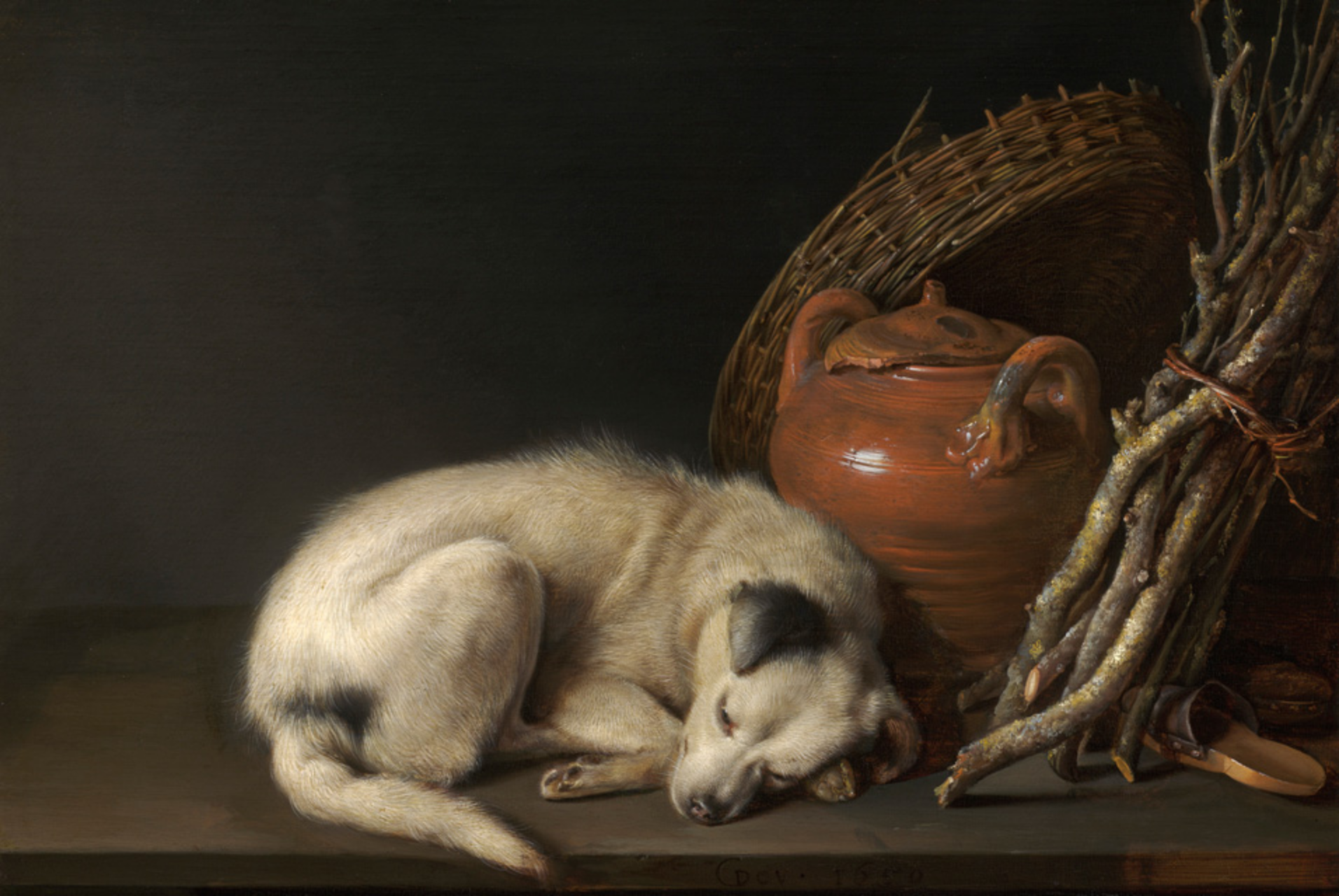
Gerrit Dou, Sleeping Dog, 1650, Museum of Fine Art, Boston, MA, USA.

Paul Gauguin, Still Life with Three Puppies, 1888, Museum of Modern Art, New York City, NY, USA.

George Stubbs, White Poodle in a Punt, c. 1780, National Gallery of Art, Washington, DC, USA.

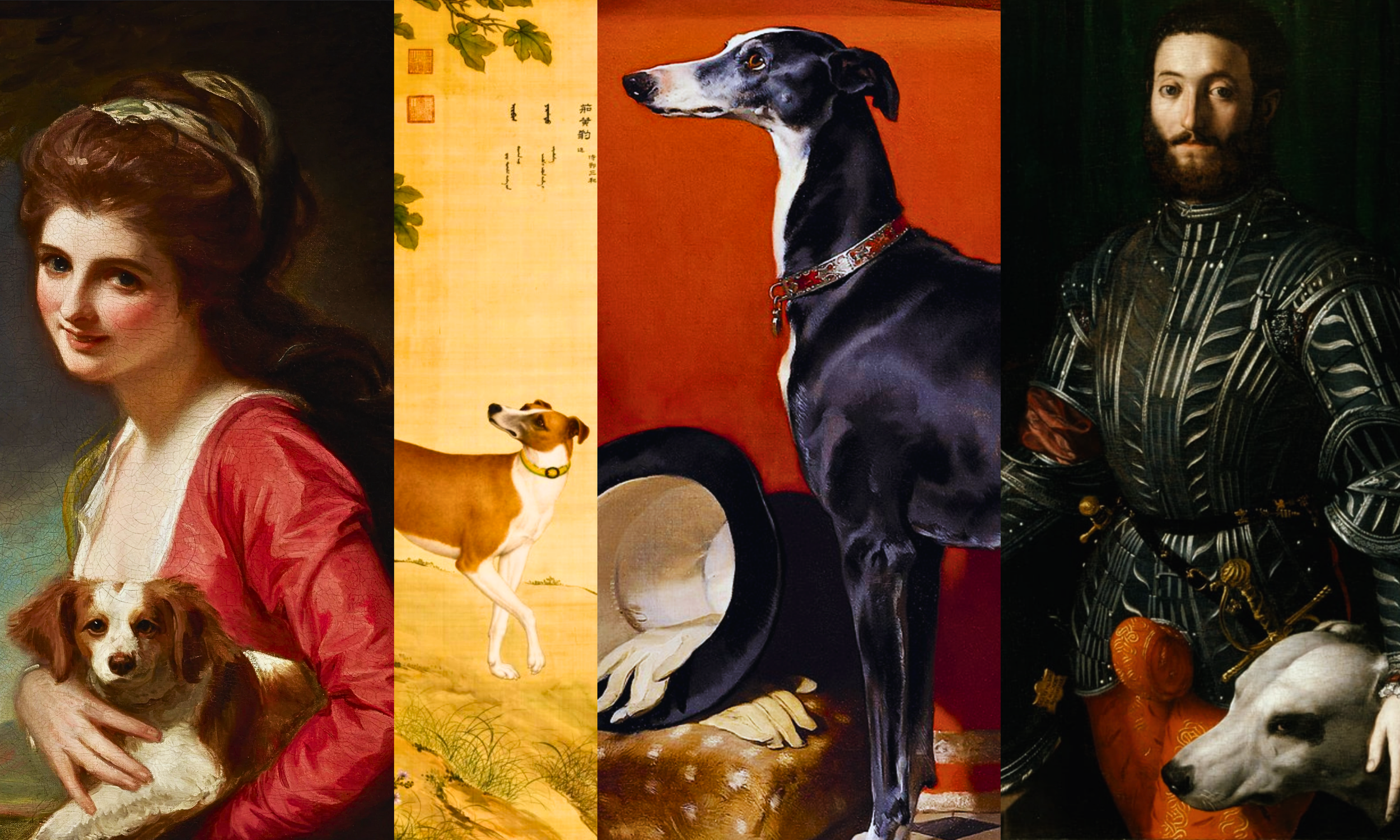
Giuseppe Castiglione, Tawny Yellow Leopard, 1747, National Palace Museum, Taipei, Taiwan.

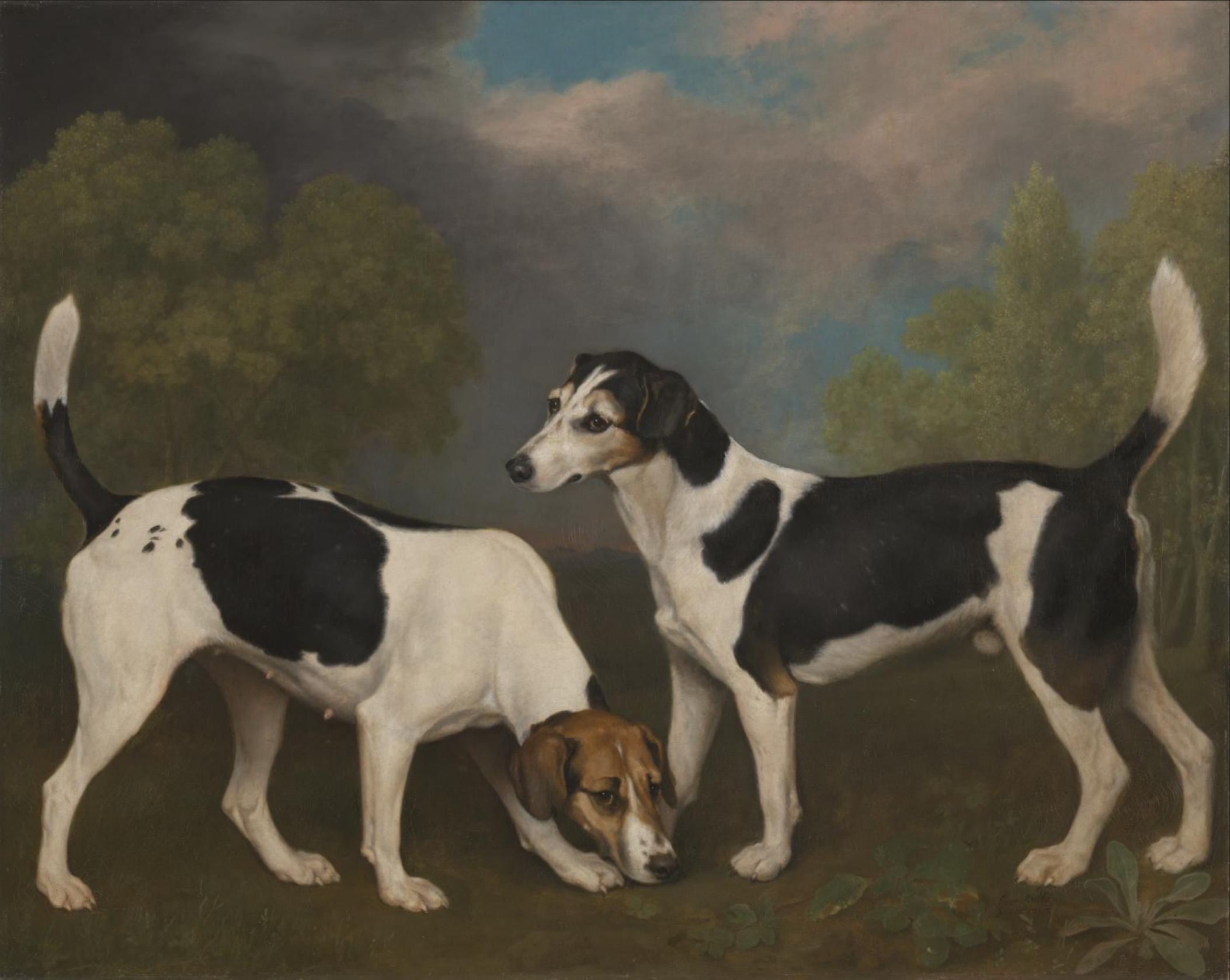
George Stubbs, A Couple of Foxhounds, 1792, courtesy the Tate

Sir Edwin Henry Landseer, Eos, A Favorite Greyhound of Prince Albert, 1841, courtesy Royal Collection.

Mary Cassatt, Little Girl in a Blue Armchair (1878).
Courtesy National Gallery of Art, Washington, DC.

Edward Hopper, Cape Cod Evening (1939).
Courtesy the National Gallery of Art, Washington, DC.

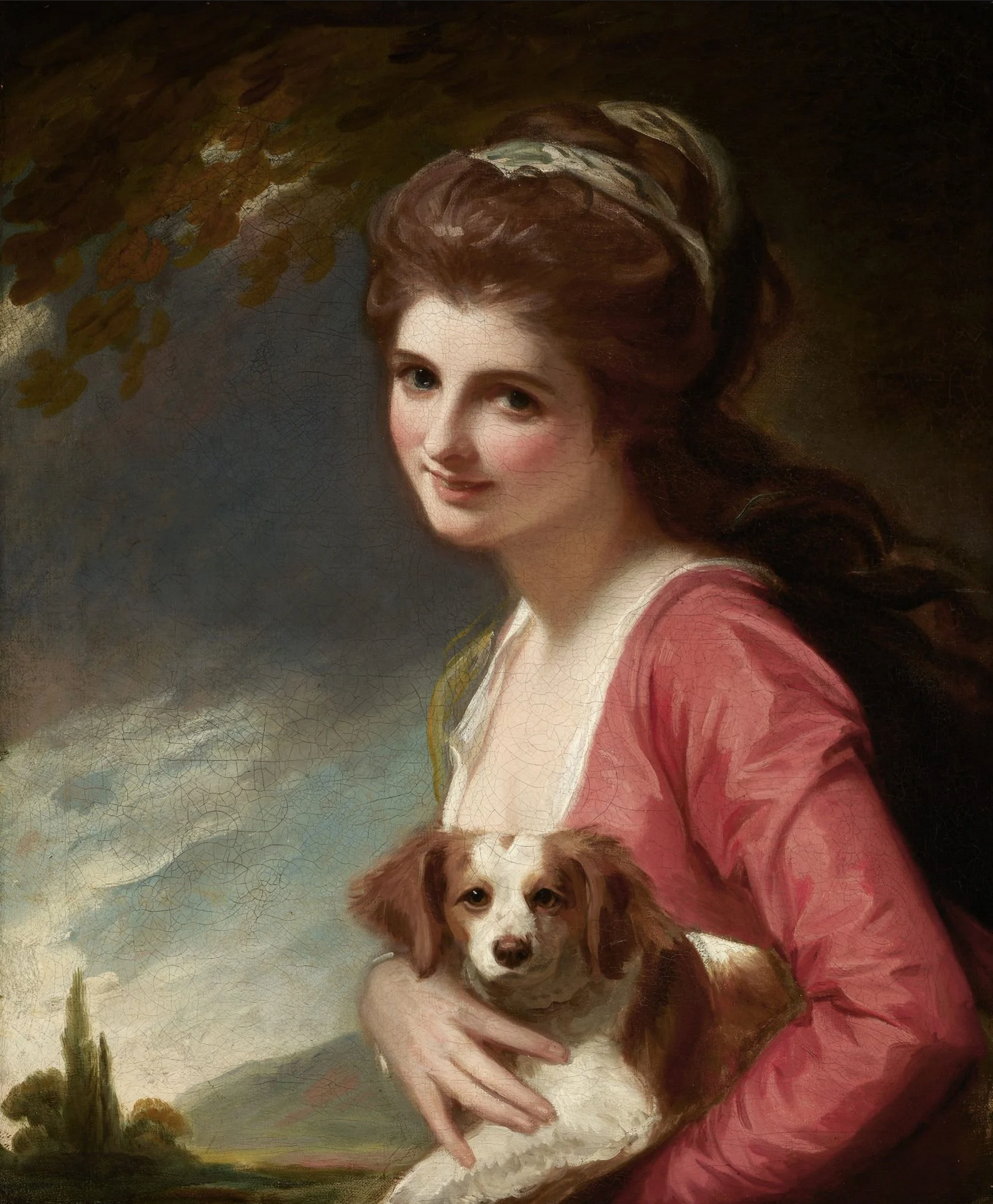
George Romney, Lady Hamilton as Nature (1782). Courtesy the Frick Collection, New York.

Agnolo Bronzino, Guidobaldo della Rovere (1531–32).
Courtesy Palazzo Pitti, Florence.