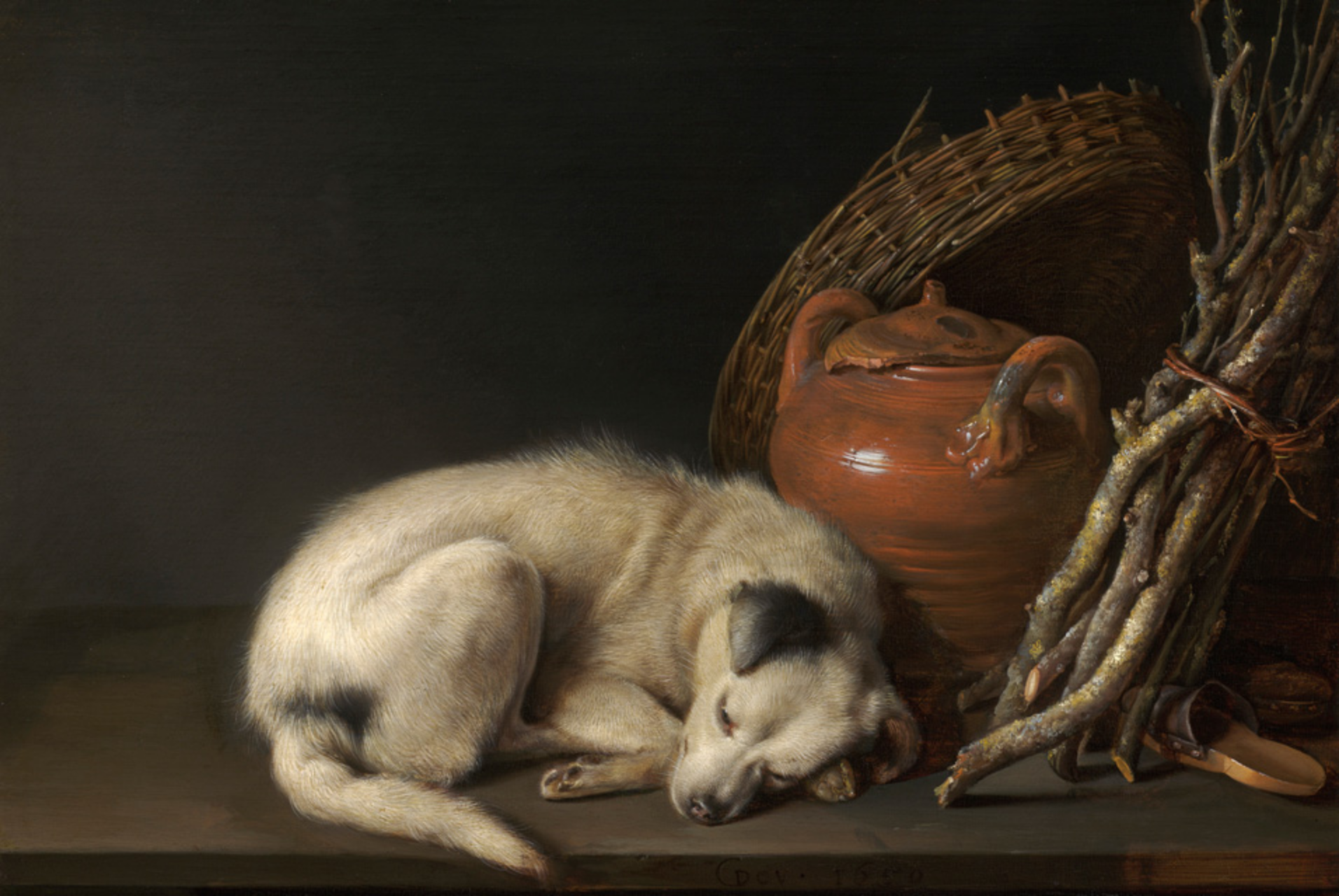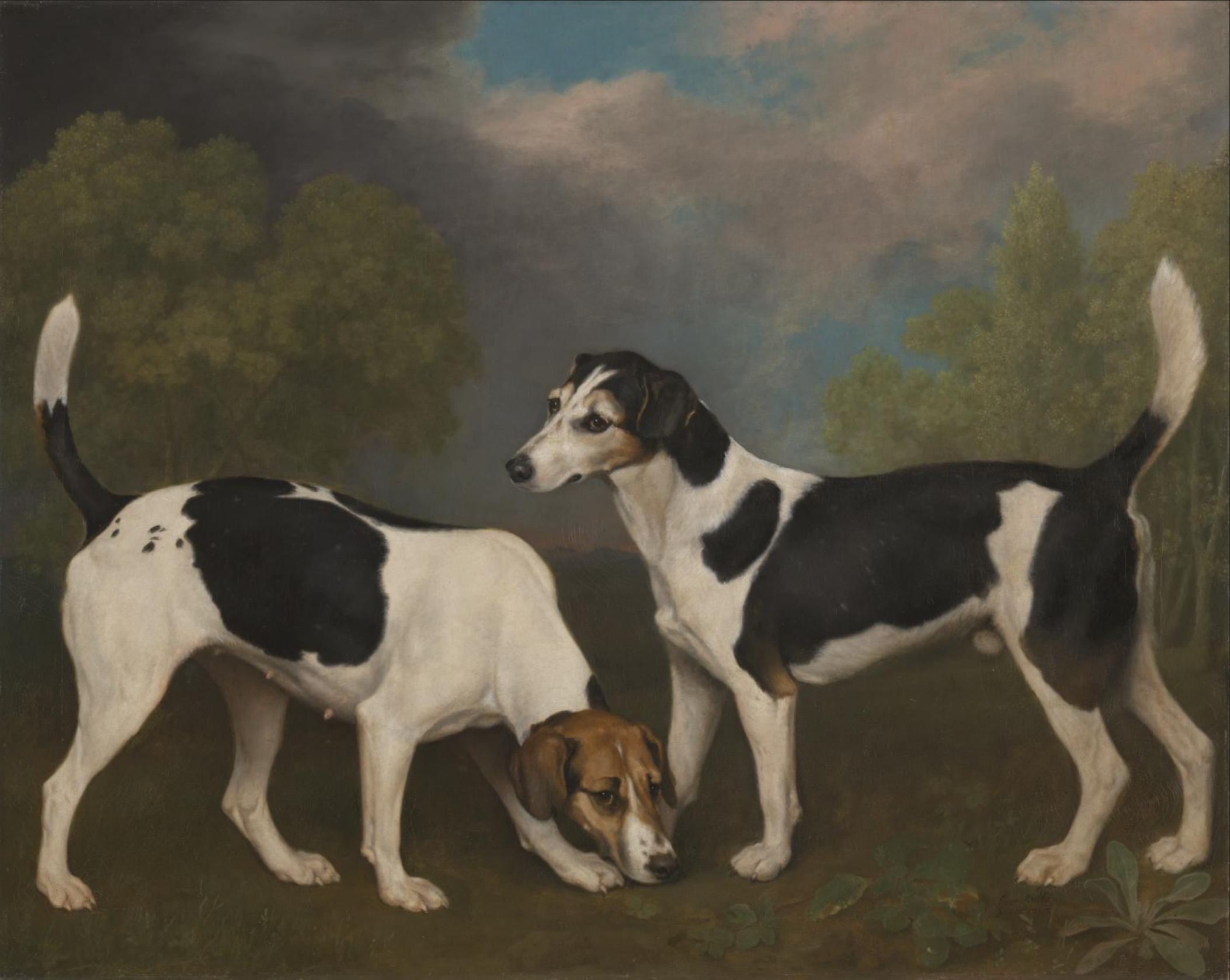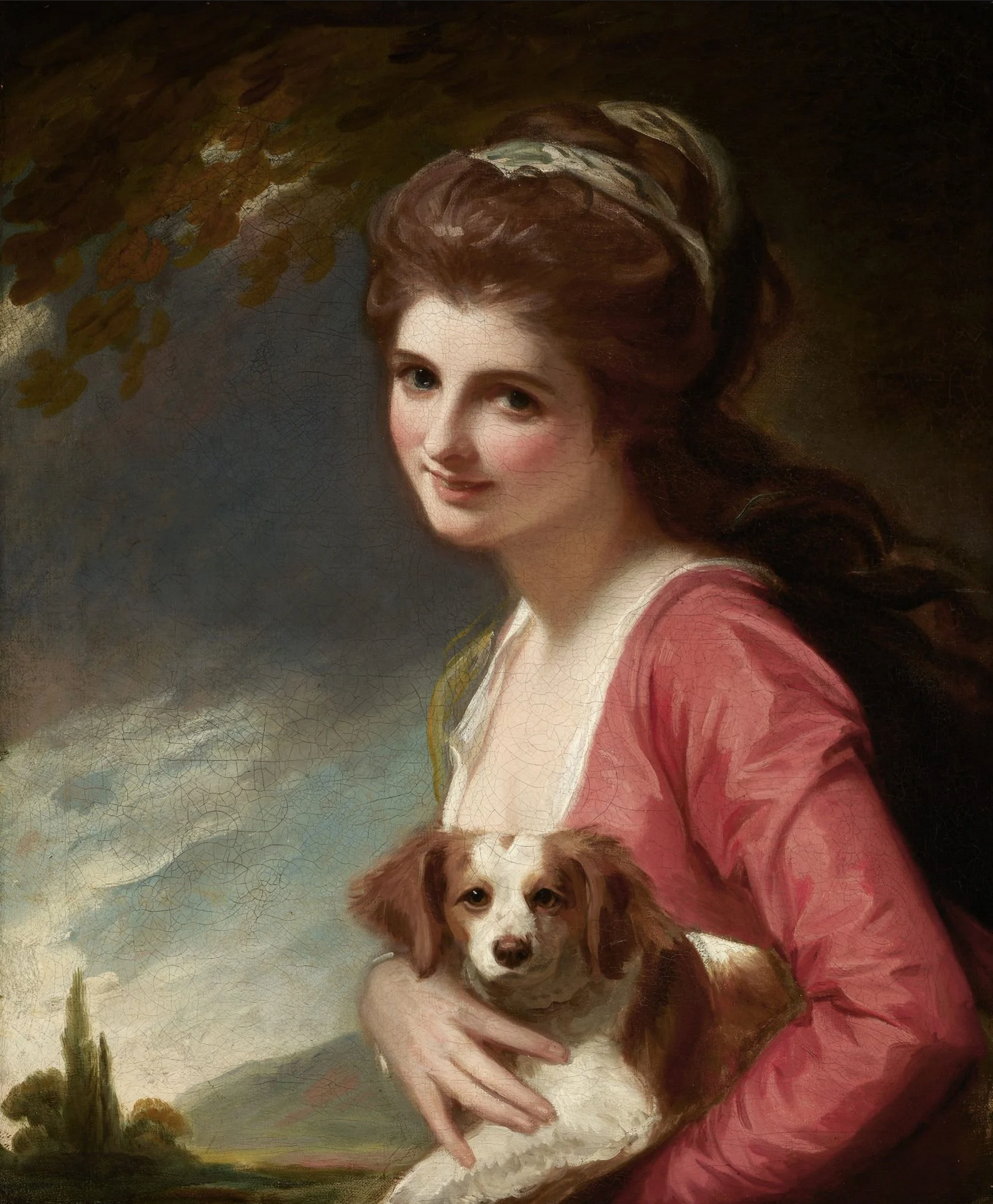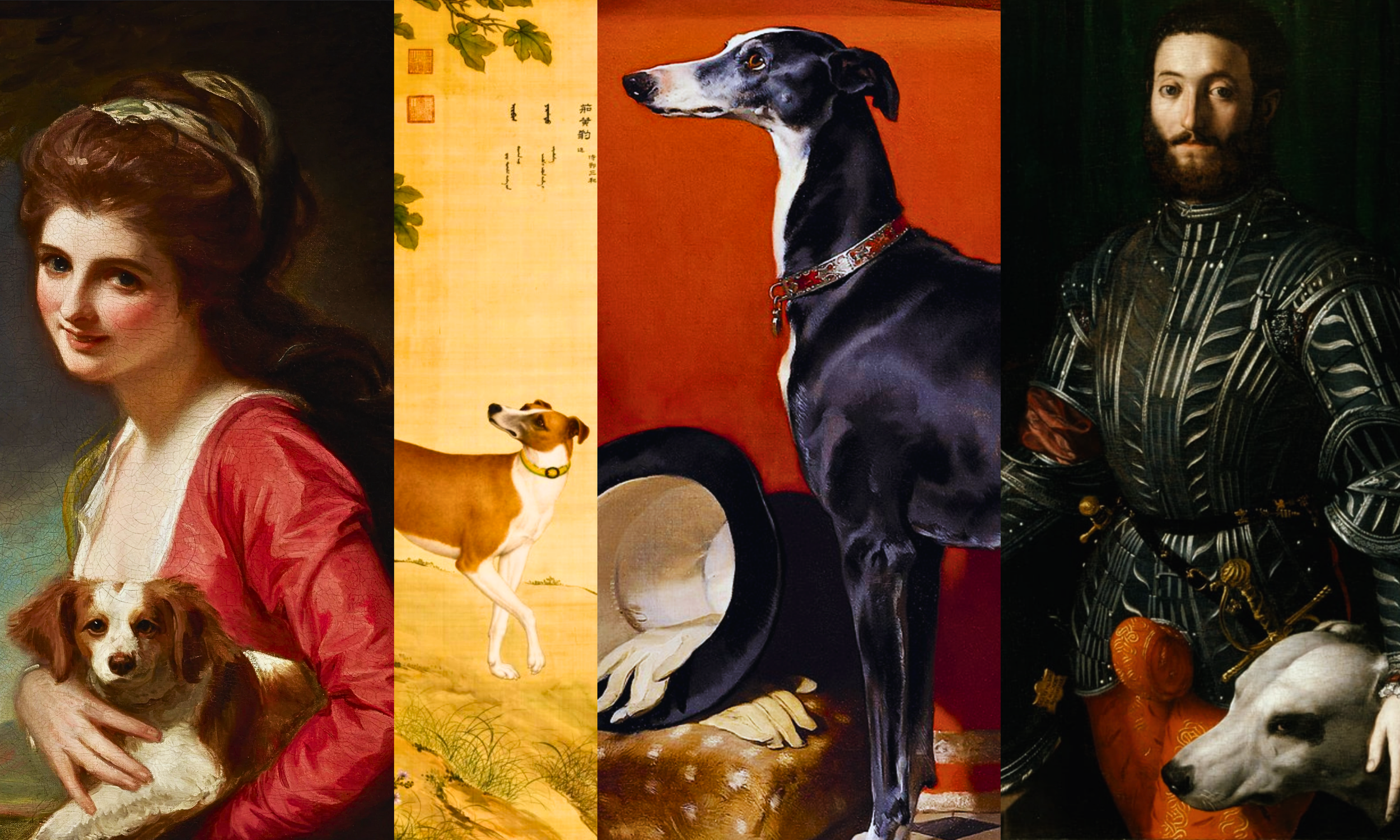
Throughout history dogs have provided humans with unconditional love, unwavering devotion, and divine companionship. Is it any wonder that they would appear in some of history’s greatest works of art?
Its all thanks to Pablo Picasso in the 1980s - 1990s that led to the demand and prices of artwork featuring dogs to skyrocket. It was during this time when Picasso began featuring his canine comrades in his work with his most most notable painting featuring his 'Dachshumd named Lump.
HISTORY & SYMBOLISM
The very first artwork to depict canines were discovered in cave paintings, symbolizing protection and companionship.
In Ancient Egypt dogs signified guardianship, intuition, and the bridge between life and death.
Lapdogs served as an allegory for faithfulness, fidelity, and high social standing during the Renaissance and European portraiture.
Images of dogs were carved on tombstones - most notably during the Middle Ages - represented the deceased’s feudal loyalty.
During the 16th and 17th century when only nobility were allowed to hunt, paintings of hunting scenes featured dogs communicated high social status and aristocracy.
Overseas in Japan (the Edo Period, 1615 - 1868), miniature sculptures called ‘netsuke’ served as artistic works and as toggles for cords used to attach small objects, boxes, or pouches to kimonos (traditionally have no pockets) were very popular.
GREATEST MUSE IN HUMANITY
Surprise! This means that from cave paintings to Ancient Egypt to the 17th century to today - man’s best friend has been making an appearance in art for over 30,000 years!
Take a gander below to see some of the greatest canine-inspired works of art.