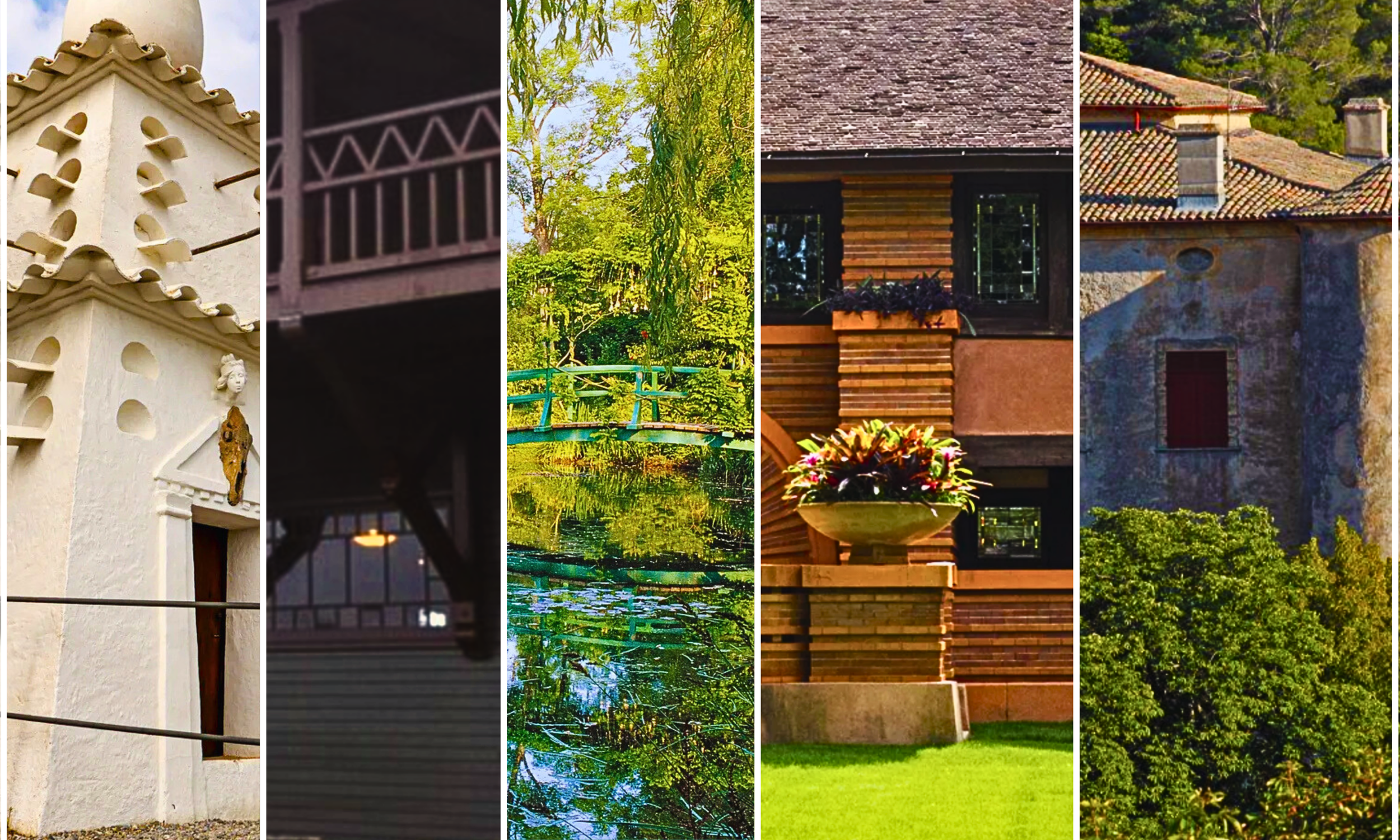
While most people designate a corner of their home as their creative sanctuary, the world’s most famous artists dedicate their whole house to their craft.
Everyone has had that moment where they encounter a work of art so personally moving and awe-inspiring that it forever alters their perspective — and subsequently their life.
Such an encounter is followed up by the one and only question the mind can muster - what was the artist thinking, feeling, doing at the time they conceived this masterpiece?
It was Sir Marcel Duchamp who noted, “the most interesting thing about artists is how they live.” This observation reveals that an artist’s life, choices, and being are just as crucial and fascinating as their work.
Artists live in a constant state of wonder, finding beauty in everyday moments, and devoted to authentic self-expression. They understand that while art exists to reflect, interpret, and shape reality - it is life that provides the experiences, emotions, and inspiration that fuels artistic creation.
For artists, everyday is an opportunity not just to create beauty but to transform existence itself into a work of art. This mindful approach to living allows for exploration, creativity, and celebration of life.
Whether you are an established artist or someone who enjoys creative projects, you understand the importance of having a space devoted to your craft. It serves as a physical reminder of one’s commitment to craft and encourages setting aside time to create.
Art supplies, inspirational quotes, and anything that serves as personal inspiration – are just some elements incorporated into most people’s creative sanctuary but the world’s greatest artists?
They dedicated their whole house to their craft. Today these structures exist as museums offering insights into the lives of the greatest artists humanity has ever known.
In a world that often feels rushed and chaotic, finding peace through creativity can be a powerful way to nurture your mind and soul. Find your inspiration for an artist nook here:
CLAUDE MONET (IMPRESSIONISM) & GIVERNY, FRANCE
Oscar-Claude Monet was a French painter and founder of Impressionism who is seen as a key precursor to Modernism, especially in his attempts to paint nature as he perceived it.
During his long career, he was the most consistent and prolific practitioner of Impressionism's philosophy of expressing one's perceptions of nature, especially as applied to plein air (outdoor) landscape painting.
From 1883, Monet lived in Giverny, France where he purchased a house and property and began a vast landscaping project including the water-lily pond.
Monet's ambition to document the French countryside led to a method of painting the same scene many times so as to capture the changing of light and the passing of the seasons.
Frequently exhibited and successful during his lifetime, Monet's fame and popularity soared in the second half of the 20th century when he became one of the world's most famous painters and a source of inspiration for a burgeoning group of artists.
Claude Monet’s colorful house and famous water lily gardens in Giverny, France have since been preserved as Masion et Jardins de Claude Monet.
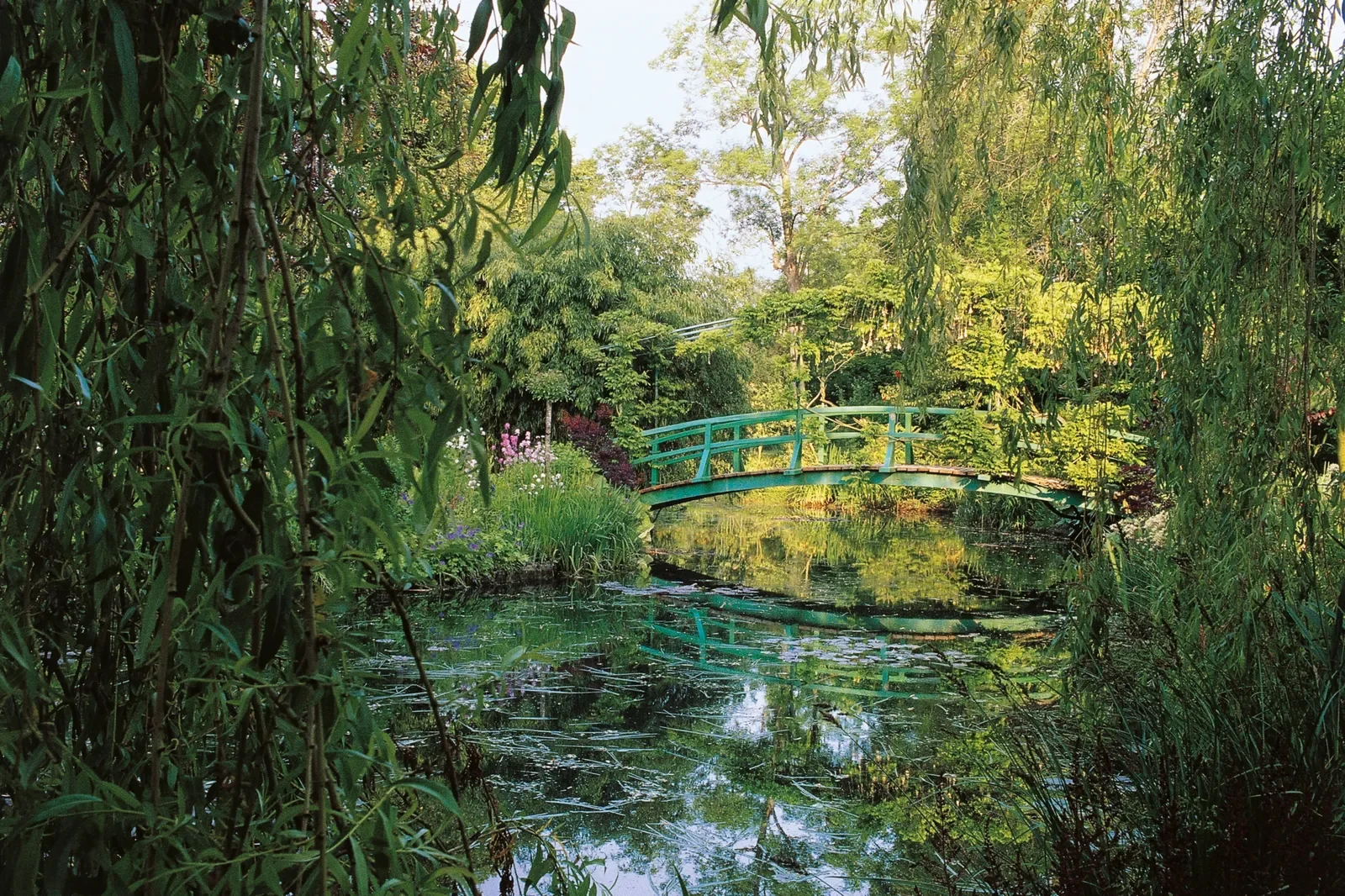
Getty Images
SALVADOR DALI (SURREALISM) & PORTLIGAT, SPAIN
Salvador Dali was a Spanish Surrealist artist renowned for his technical skill, precise draftsmanship, and the striking and bizarre images in his work.
Influenced by Impressionism and Renaissance masters, he was increasingly attracted to Cubism and Avant-Garde Art movements.
He moved closer to Surrealism in the late 1920s and joined the Surrealist group in 1929, soon becoming one of its leading exponents. His best-known work - The Persistence of Memory (August 1931).
Dalí's artistic repertoire included painting, sculpture, film, graphic arts, animation, fashion, and photography, at times in collaboration with other artists. He also wrote fiction, poetry, autobiography, essays, and criticism.
Major themes in his work include dreams, the subconscious, sexuality, religion, science and his closest personal relationships. To the dismay of those who held his work in high regard, and to the irritation of his critics, his eccentric and ostentatious public behavior often drew more attention than his artwork.
Salvador Dali’s whimsical, white sea shell, lobster-themed House Museum in Portlligat, Spain, was Dali’s home and studio.
The other major museum devoted to Dali’s work is the Salvador Dali Museum in St. Petersburg Florida, US.
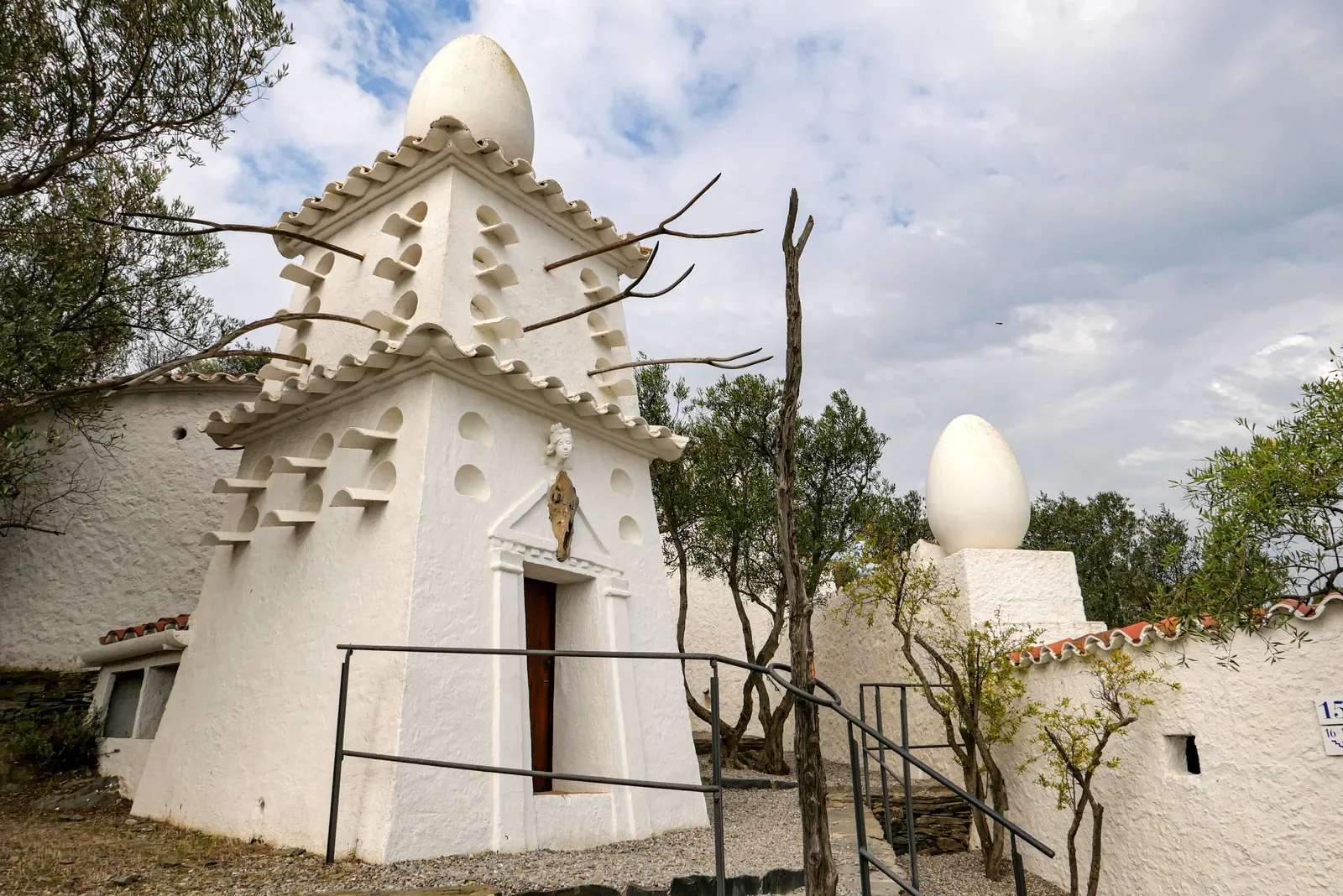
Getty Images
FRIDA KAHLO (SURREALISM, MEXICAN MODERNISM) & COYOACAN, MEXICO CITY
Frida Kahlo’s vibrant blue home, the Museo Frida Kahlo in Coyoacán, Mexico City, is a powerful testament to her life and reflection of her passionate spirit.
Frida Kahlo was a Mexican painter known for her many portraits, self-portraits, and works inspired by nature and artifacts of Mexico.
Inspired by Mexico’s pop culture, she incorporated native folk art to explore questions of identity, gender, class, and race in Mexican society.
Her paintings often had strong autobiographical elements and mixed realism with fantasy. She is also known for painting about her experience of chronic pain.
Kahlo's work as an artist remained relatively unknown until the late 1970s, when her work was rediscovered by art historians and political activists.
By the early 1990s, not only had she become a recognized figure in art history, but she was also regarded as an icon for Chicanos, feminist movement, and the LGBTQ+ Community.
Kahlo spent most of her childhood and adult life at La Casa Azul, her family home in Coyoacan, today known and open to the public as the Frida Kahlo Museum.
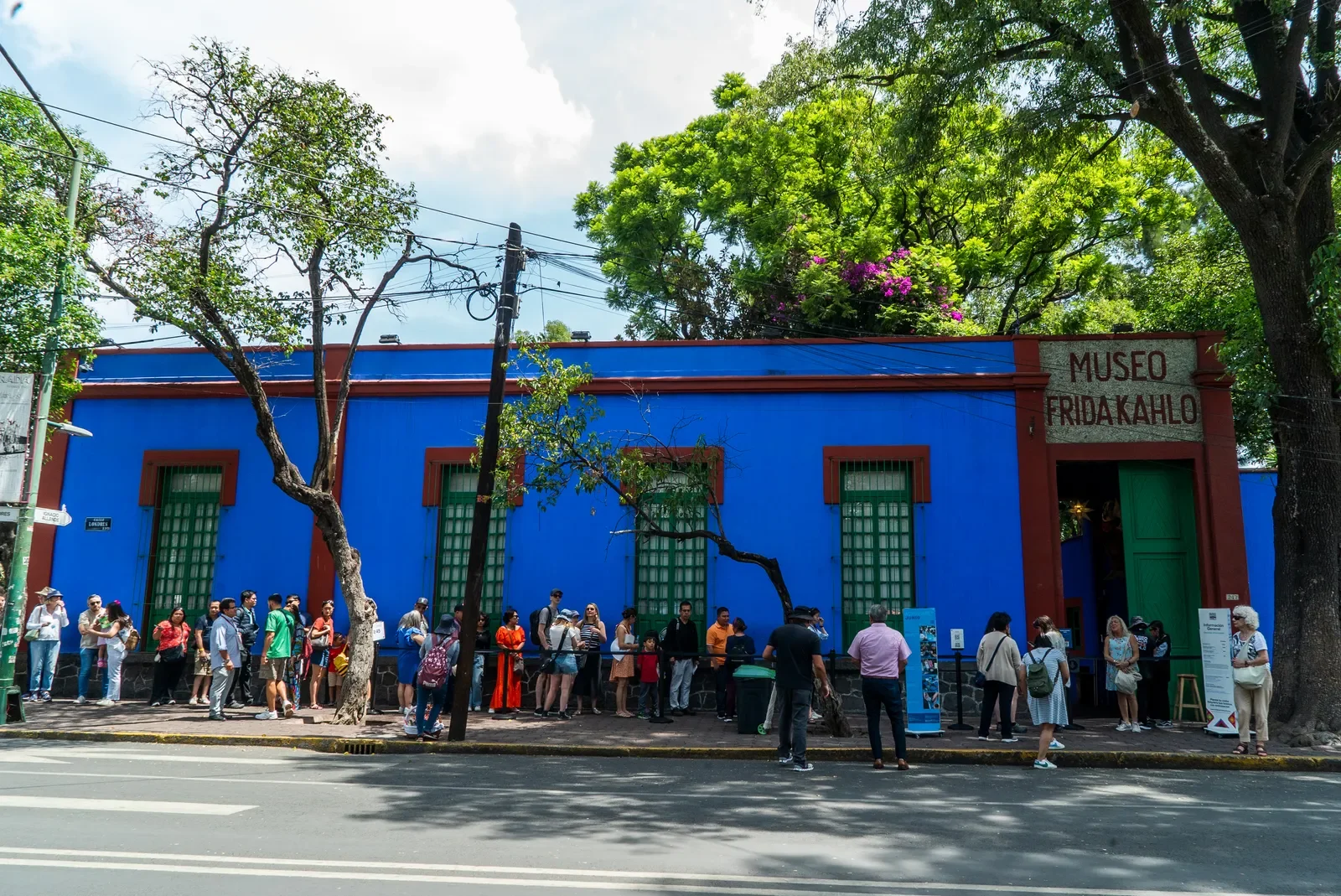
Getty Images
PABLO PICASSO(CUBISM)& ALIX-EN-PROVENCE, FRANCE
Pablo Picasso revolutionized art with Cubism—a style featuring fragmented, multi-perspective, and geometric forms—co-developed with Georges Braque.
Throughout his life, Pablo Picasso was known to live in Paris as well as several different places. But it was his Chateau of Vauvenarques near Aix-en-Provence, France where he spent his final years.
While Cubism was developed in Paris (1908–1914), it was heavily influenced by the structured, Cézanne-inspired landscapes of Provence.
Picasso is buried at the Château de Vauvenargues, located approximately 15 kilometers from Aix-en-Provence, alongside his wife Jacqueline Roque.

GEORGIA O’KEEFFEE (AMERICAN MODERNISM) & ABIQUIU, NEW MEXICO
Georgia O’Keeffee was an American Modernist painter and draftswoman whose career spanned seven decades and work remained largely independent of major art movements.
Called the "Mother of American modernism", O'Keeffe gained international recognition for her paintings of natural forms, particularly flowers, hills and desert-inspired landscapes, which were often drawn from and related to places and environments in which she lived.
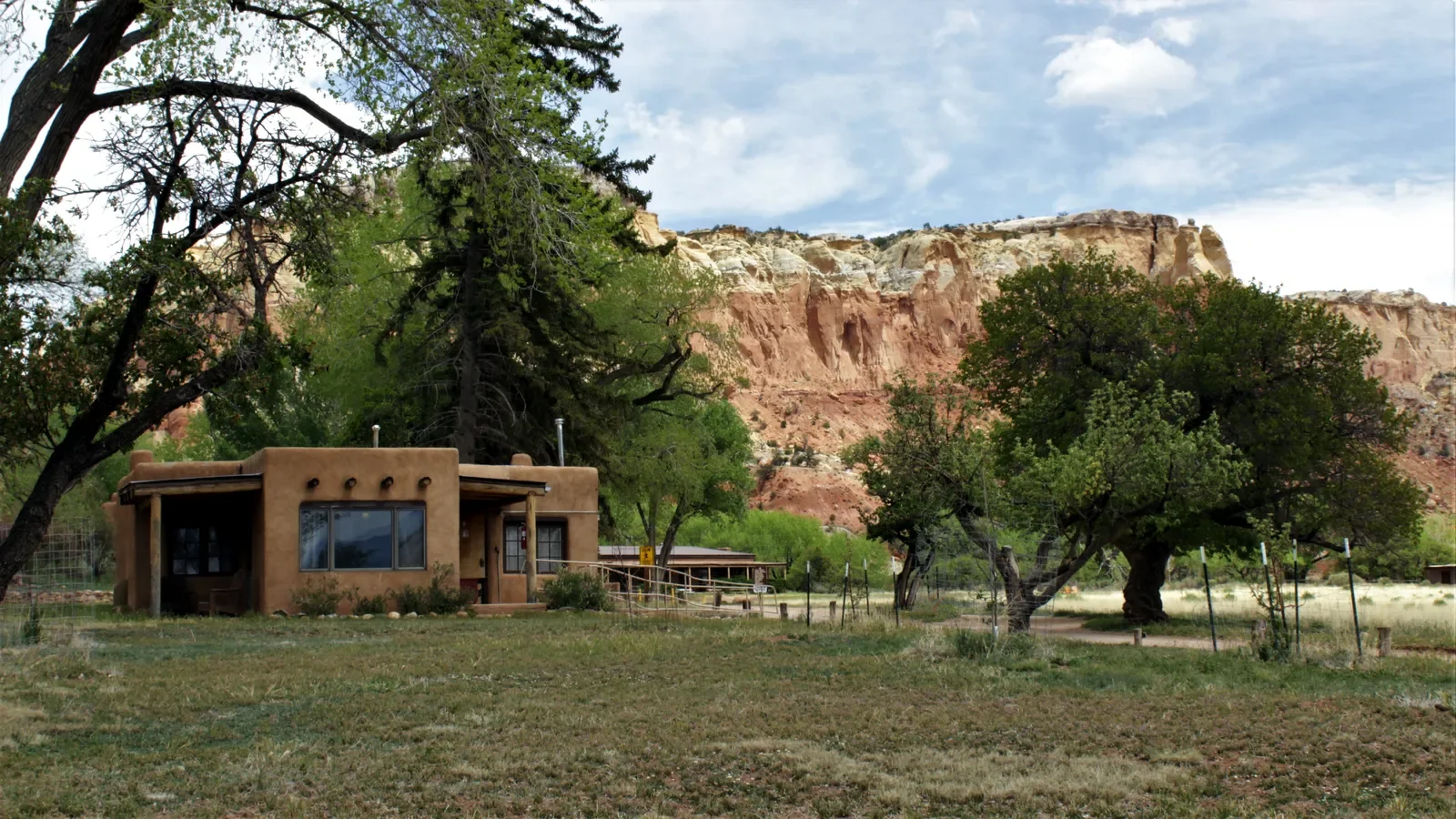
The Georgia O'Keeffe Home and Studio is a historic house museum in Abiquiú, New Mexico. From 1943 until her death, this stark, beautiful home and studio was central to her work. Today this residence is part of the Georgia O'Keeffe Museum, which has sites in Santa Fe and Abiquiú, New Mexico.
Getty Images
ZAHA HADID (ARCHITECTURE) & LONDON
Zaha Hadid was an Iraqi and British architect, artist, and designer. She is recognized as a key figure in the architecture of the late-20th and early-21st centuries.
Her major works include the London Aquatics Center for 2012 Olympics, Broad Art Museum, Rome’s MAXXI Museum, and the Guangzhou Opera House.
In search of an alternative to traditional architectural drawing, and influenced by Supermatism and Russian Avant-Garde, Hadid adopted painting as a design tool and abstraction as a method to "re-investigate the aborted and untested experiments of Modernism to unveil new fields of building.
The Guardian described Hadid as the "Queen of Curves", who "liberated architectural geometry, giving it a whole new expressive identity".
Before her passing, Hadid lived and worked in London, often blending her living spaces with her art and design collections.
Her home was described as having a "fluid," "dynamic," and "curvaceous" style, filled with her own furniture designs and art, such as a homage to Malevich's Tektonik
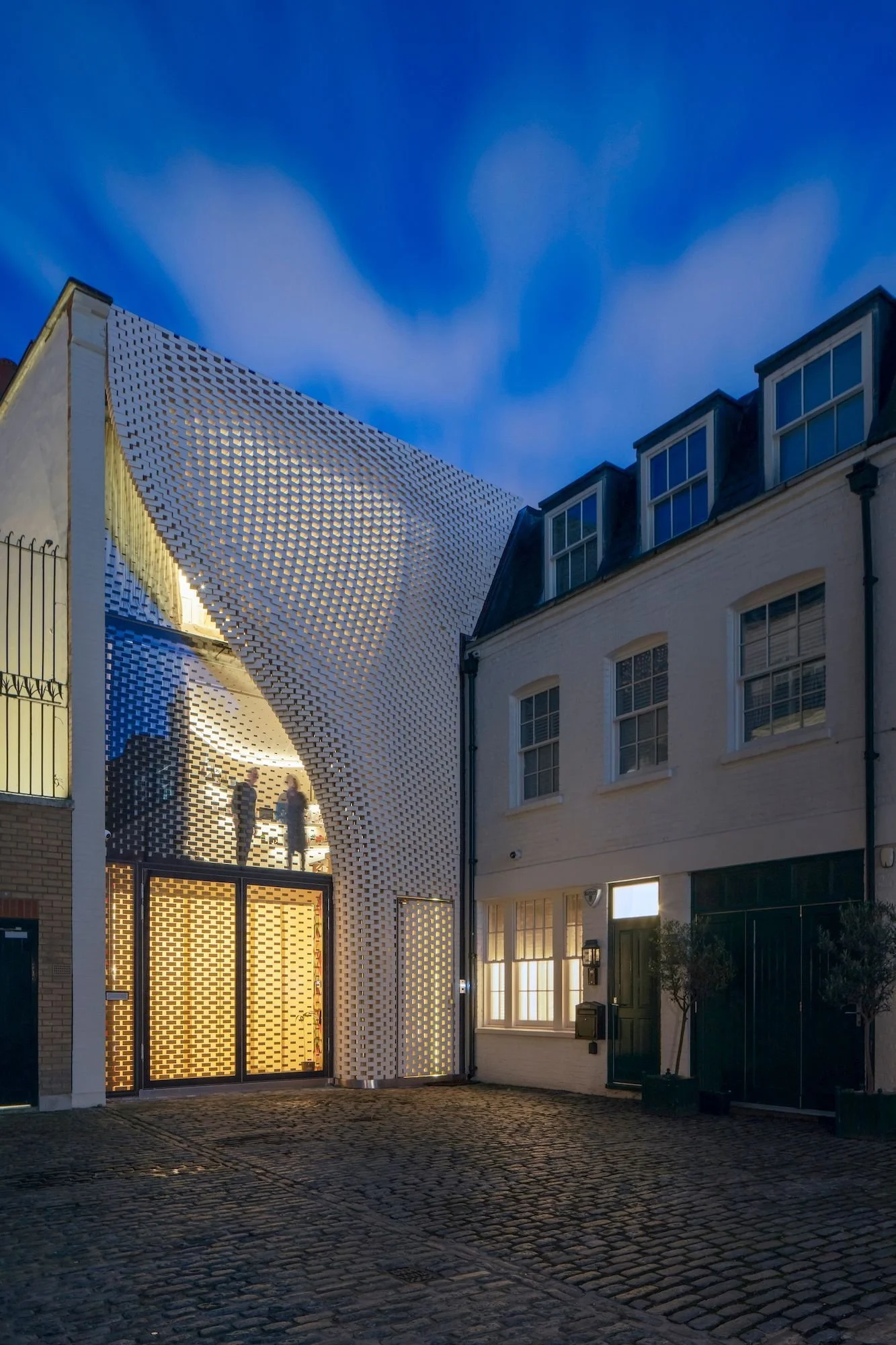
Photo: Luke Hayes
WINSLOW HOMER (AMERICAN LANDSCAPES) & SCARBOROUGH, MAINE, US
Winslow Homer was an American landscape painter and illustrator, best known for his marine subjects.
He is considered one of the foremost painters of 19th-century America and a preeminent figure in American art.
Homer’s home and art studio is located in Prouts Neck, Scarborough, Maine. The artist lived and worked from this home from 1884 until his death in 1910.
Originally a carriage house, he transformed it into a secluded, rustic, and minimalist space to paint his famous ocean scenes.
The Portland Museum of Art acquired, restored, and offers tours of the studio.
The studio is known for its pine-paneled walls, a covered balcony, and a distinctive Medusa door knocker used to deter uninvited guests.
The Portland Museum of Art provides guided tours that allow visitors to see the space where he painted.

Image Source: Wikipedia
FRANK LLOYD WRIGHT (ARCHITECTURE) & OAK PARK, IL, US
Frank Lloyd Wright was an American Architect, designer, writer, and educator, designing over 1,000 structures in his 70 year creative period.
Wright played a key role in the architectural movements of the twentieth century, influencing architects worldwide through his works and mentoring hundreds of apprentices in his Taliesin Fellowship.
Wright believed in designing in harmony with humanity and the environment, a philosophy he called Organic Architecture.
This philosophy was exemplified in Fallingwater (1935), which has been called "the best all-time work of American architecture".
Frank Lloyd Wright’s primary home and studio (1889) is located in Oak Park, IL, serving as the birthplace of his Prairie style and American architecture.
This was his first home, featuring Shingle-style architecture, a central hearth, and an attached studio where he worked for 20 years.

Image Source: Getty Images/ AD