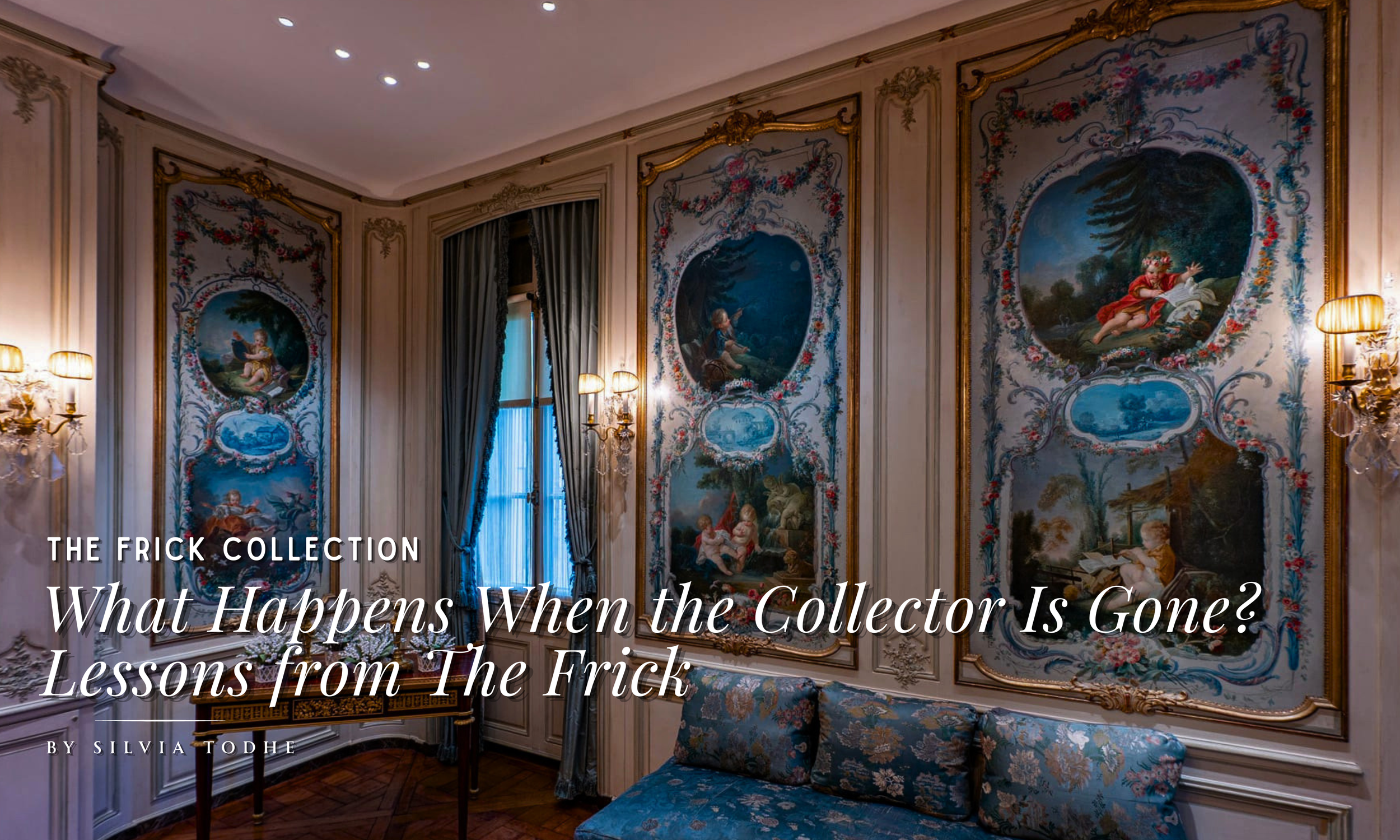
Background Image Source: Untapped New York by Klaus Peter Slaus
Some places do more than display art—they preserve the dreams, passions, and personalities of those who built them. The Frick Collection is one of those rare places.
The Frick Collection is the story of a family whose combined efforts transformed a private home into one of America’s great cultural institutions.
“Not just a museum, The Frick Collection is a living testament to how one family’s love of art continues to inspire and uplift the world,”
— Silvia Todhe
Each family member contributed something different: Henry built the collection. Adelaide protected the vision. Helen ensured the legacy endured.
Most visitors arrive at The Frick Collection expecting to learn about Henry Clay Frick and leave remembering the paintings, mansion, and collector. But what happens when the collector is gone?
Henry Clay Frick
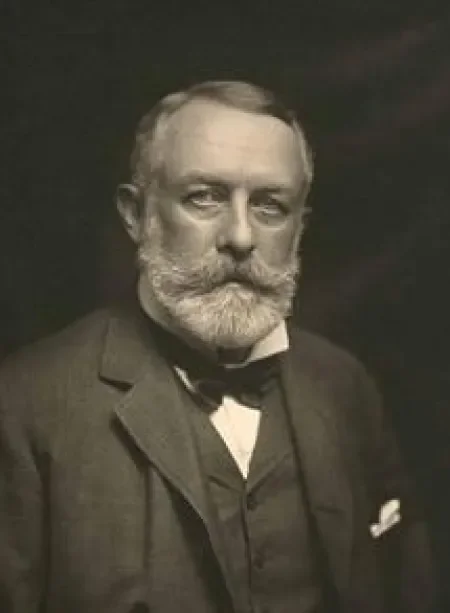
Image Source: The Frick Collection
Adelaide Frick
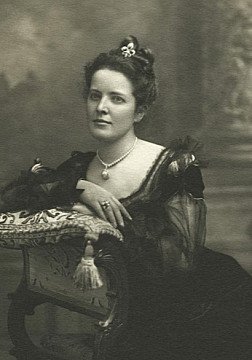
Image Source: The Frick Collection
ORIGINS
Long before he became one of America’s most powerful industrialists, Henry Clay Frick (1849–1919) was a young man who appreciated art, in particular - prints and sketches.
As his fortune grew, so did his artistic vision, acquiring works by the likes of Rembrant, Vermeer, Manet, and Degas. The nouveau rich Americans of the Gilded Age collected art to signal their success, and Frick was no different.
“He hated losing a painting he wanted,”
— Former Frick Collection Director, Ian Wardropper remarked.
Frick competed fiercely with other major collectors such as J.P. Morgan, Peter Widener, and Isabella Stewart Gardner. Frick devoted the latter part of his life to collecting European paintings, sculptures, furniture, and decorative arts. He viewed collecting as a form of legacy, envisioning his collection as a lasting public resource devoted to beauty and the study of art.
The story of The Frick Collection, however, is not Henry’s alone. It is the story of a family united by the love of beauty. Following his passing, Adelaide (known as ‘Ada’ to family and friends) Howard Childs Frick (1859 – 1931) worked closely with her children to oversee the transformation of the mansion into a public institution.
Henry and Adelaide’s daughter, Helen Clay Frick (1888 – 1984) showed a deep interest in art, helping catalog her father’s collection while still a teenager. After Henry’s death, she became a founding trustee of The Frick Collection, later establishing the Frick Art Reference Library, one of the world’s leading centers for art historical research.
Helen Frick
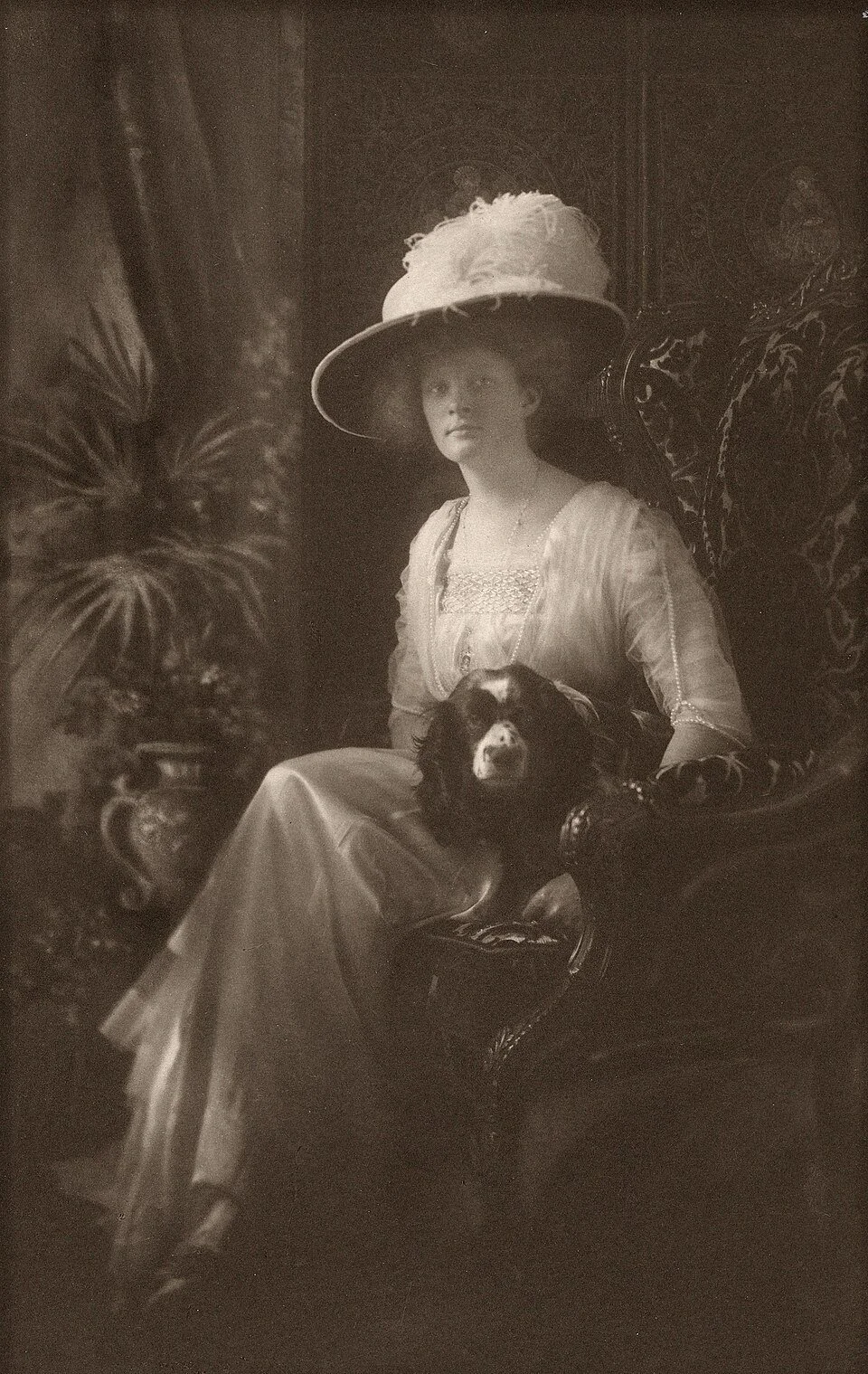
Image Source: Wikipedia
REFLECTION
Every great museum tells us who collected the art. Few tell us who preserved it. Walking through The Frick Collection, I found myself thinking not only about Henry Clay Frick, whose vision shaped the collection, but about his daughter Helen, whose life’s work helped ensure that vision would endure long after his death.
Helen Clay Frick was not the industrialist who built the collection or the founder whose name adorns the museum. She was its steward. History often celebrates those who create cultural institutions while overlooking those who ensure their survival.
After the passing of her father in 1919, Helen inherited wealth, privilege, and one of the finest private art collections in America. She could have lived her life simply enjoying what her father built. Instead, she dedicated her life to preserving, researching, cataloging, and expanding access to art.
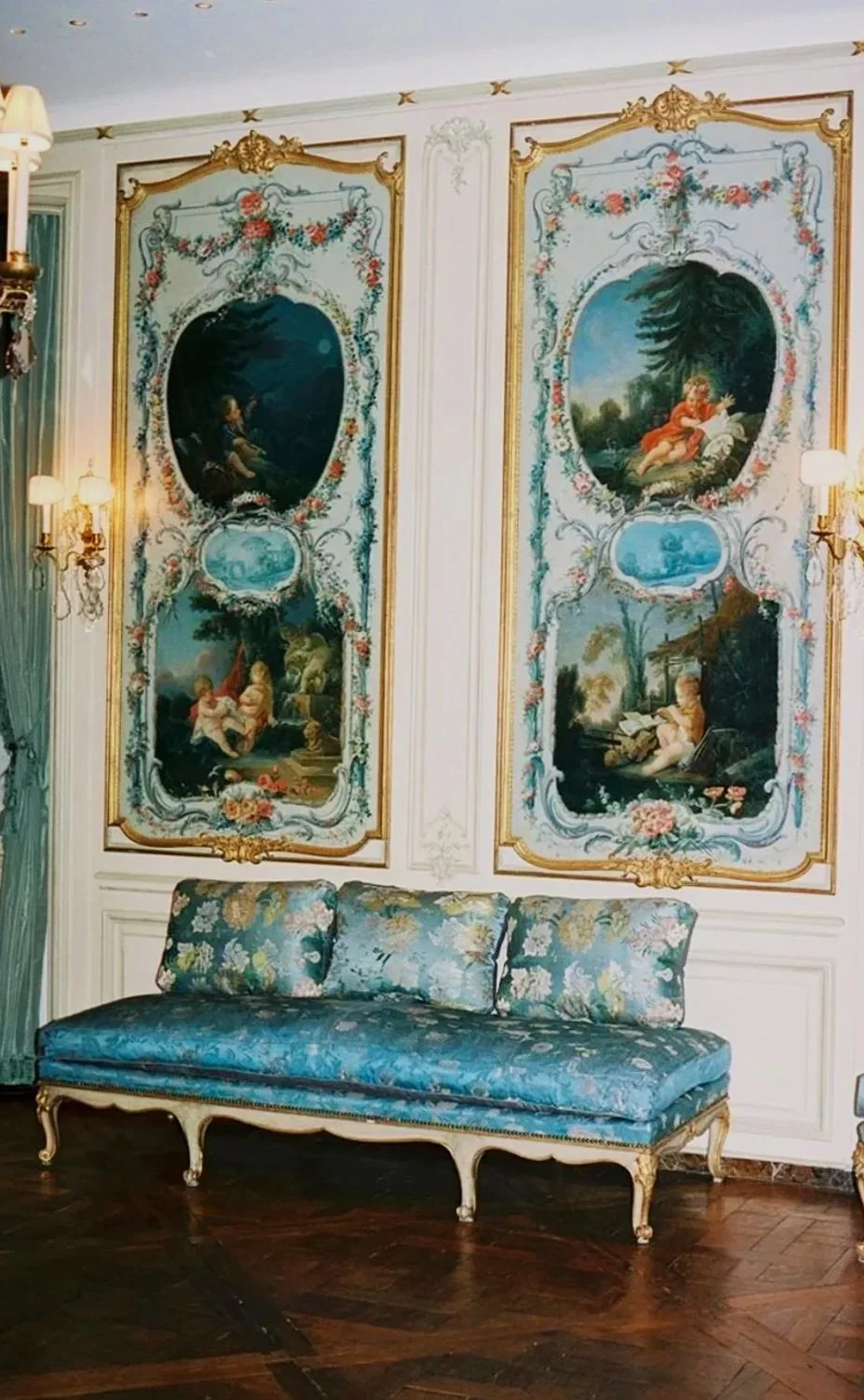
Image Source: The TIMES
Helen understood that collecting art is one thing, but preserving it is another. Without documentation, archives, conservation, and scholarship even the greatest of collections lose their meaning and impact.
She transformed her father’s collection from a private passion into a public intellectual resource. Helen’s commitment to her father’s vision led her to create the Frick Art Reference Library, which is one of the most important art historical research libraries in the world.
We owe stewards such as Helen Frick who devoted her life to philanthropy, scholarship, preservation, and the advancement of the study of art history our acknowledgement, gratitude, and thanks.