In an industry often defined by constant change, sustaining an independent fashion house for two decades requires more than talent alone. It demands vision, discipline, curiosity, and a willingness to continue creating long after the initial excitement of success has faded.
For twenty years, Erdem has built one of fashion’s most distinctive independent houses. What interested me most that evening was not fashion itself, but the creative process behind it—the research, persistence, and imagination required to continue making meaningful work over time.
Behind every collection, exhibition, book, or work of art lies a human story: a person who continues to question, learn, experiment, and create. Erdem’s career offers a glimpse into what that lifelong commitment to creativity can look like.
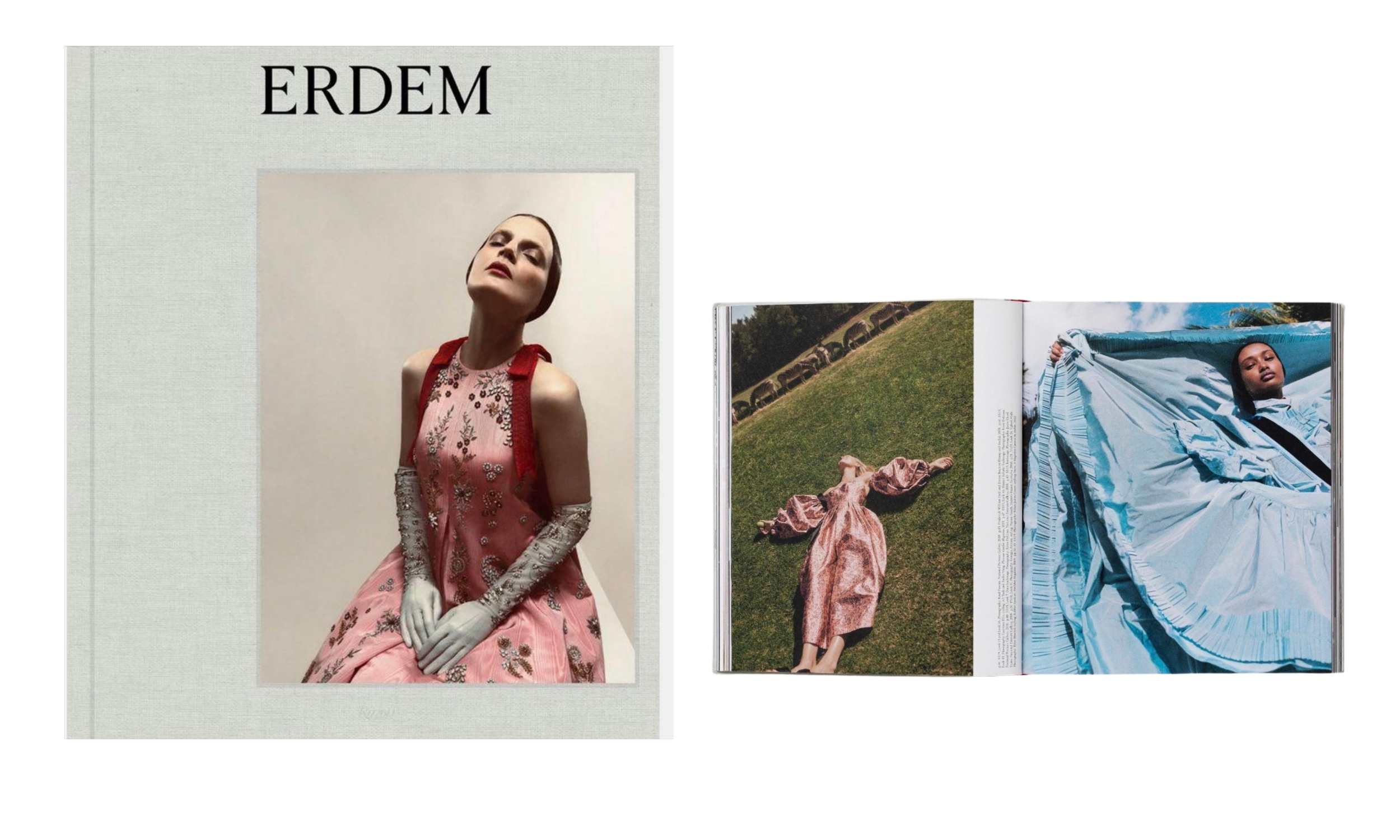
For many, ERDEM is associated with elegance, romance, intricate florals, historical silhouettes, and garments that feel suspended in time.
Recurring themes throughout Erdem Moralioglu’s work include memory and nostalgia, historical women, forgotten lives, literature and archives, gardens, flowers, and nature, relationship between past and present, and femininity possessing both delicacy and power.
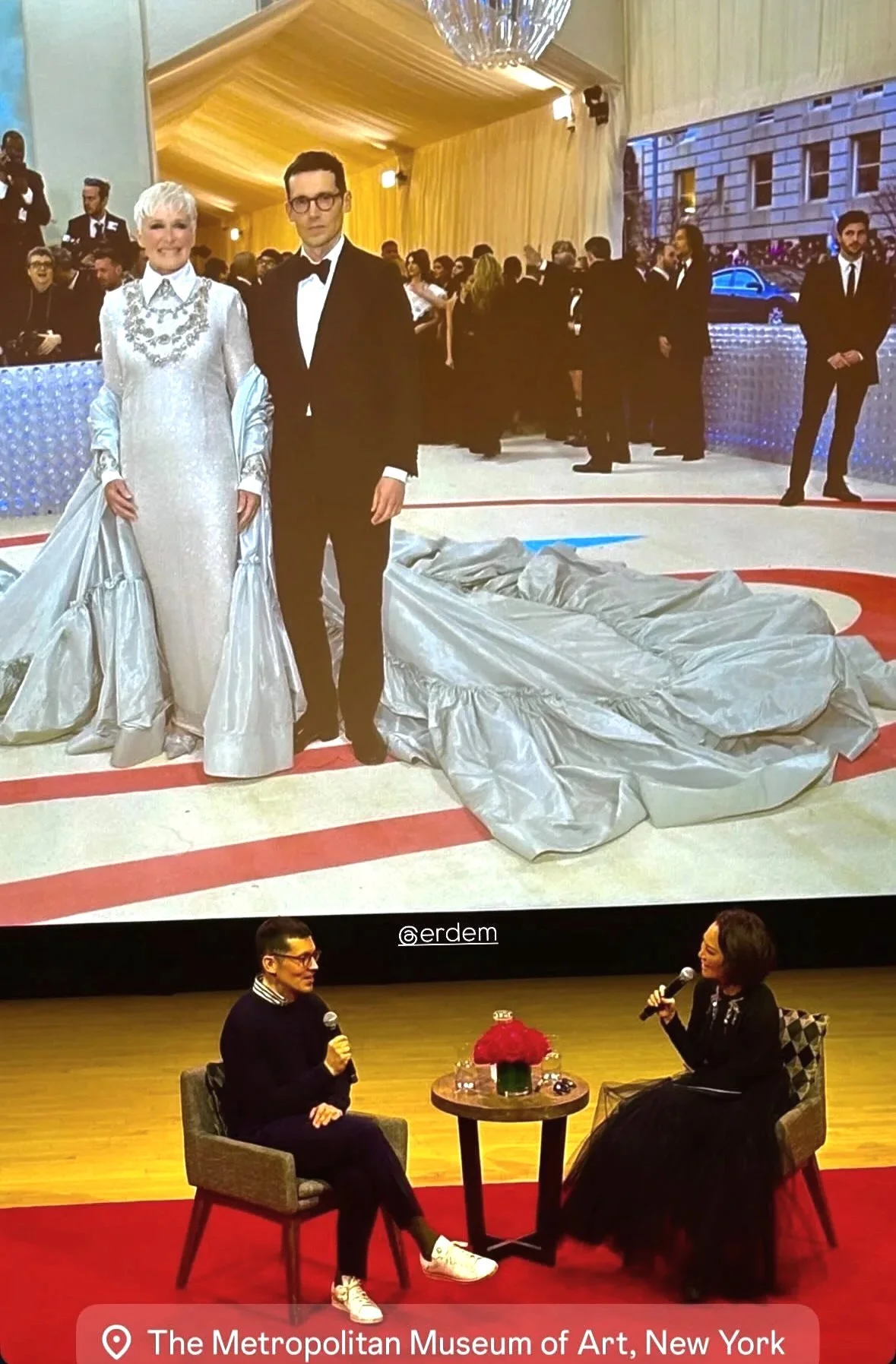
My evening with Erdem at The Met reminded me that fashion is not merely about adornment or luxury – it is about preservation, craftsmanship, history, devotion, identity, and emotion.
What unfolded was not simply a discussion about fashion, but a deeply human story about the patient construction of something beautiful.
WHO IS ERDEM MORALIOGLU?
Erdem Moralıoğlu is a Canadian-born, London-based fashion designer and founder of the label ERDEM.
Since launching the brand in 2005, he has become renowned for collections inspired by history, literature, art, and cultural memory, approaching fashion as a vehicle for research, storytelling, and cultural preservation.
SOURCES OF INSPIRATION
Throughout his career, Erdem has drawn inspiration from an extraordinary range of cultural figures, artistic movements, and historical periods.
His collections have explored the lives of icons such as Maria Callas and Margot Fonteyn, as well as the literary and artistic world of Bloomsbury Group, the writings of Radclyffe Hall, Victorian and Edwardian portraiture, and the elegance of royal and aristocratic dress.
Rather than following trends, Erdem looks to history, literature, art, and biography as sources of creative inquiry. As a result, his work often feels less like conventional luxury fashion and more like a dialogue with cultural history—one that brings forgotten stories and historical narratives into contemporary life.
POWER BEHIND ERDEM’S WORK
Erdem approaches fashion much like a historian, curator, or writer. Many of his collections begin with a story—a historical figure, a novel, an artist, or a forgotten woman whose life he researches and re-imagines through fabric, color, silhouette, and craftsmanship.
Rather than simply creating luxury clothing, Erdem transforms fashion into a form of storytelling. His garments preserve memory, revive overlooked narratives, and bring fragments of cultural history into the present.
In this way, his work extends beyond fashion itself. Each collection becomes an act of research, interpretation, and preservation—demonstrating how clothing can carry history as powerfully as a book, painting, or museum exhibition.
ERDEM, THE BOOK
Published to celebrate twenty years of the House of Erdem, Erdem is not a conventional fashion monograph. Rather than simply documenting collections, the book serves as a reflection on the ideas, influences, and stories that have shaped Moralıoğlu’s creative journey.
Combining runway imagery, archival photographs, essays, personal reflections, and contributions from collaborators, the volume offers readers a rare glimpse into the cultural world behind the collections.
One of the most revealing observations from the evening was Moralıoğlu’s suggestion that the book is not truly about clothes at all. Instead, it is about the research, memory, literature, art, and human stories that inspired them.
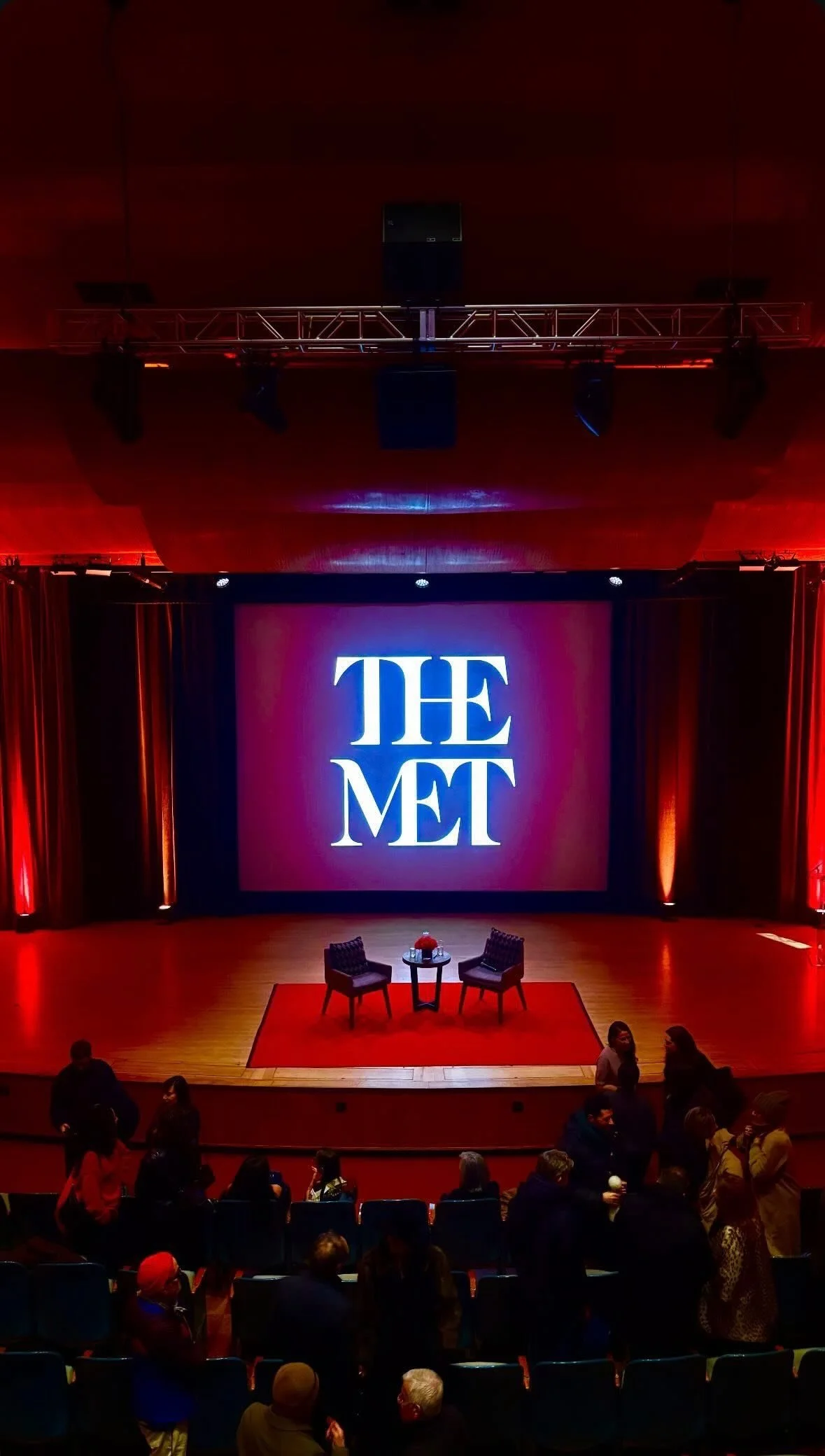
As the evening ended, I found myself thinking less about fashion and more about what sustains creativity over time.
Erdem’s career suggests that enduring creative work is not the result of inspiration alone, but of curiosity, patience, and a commitment to continual learning.
In a culture that often rewards immediacy, there is something quietly remarkable about a person who continues to research, question, and create after twenty years.
Perhaps the true measure of a creative life is not how often one reinvents oneself, but the willingness to remain curious long after success has been achieved.