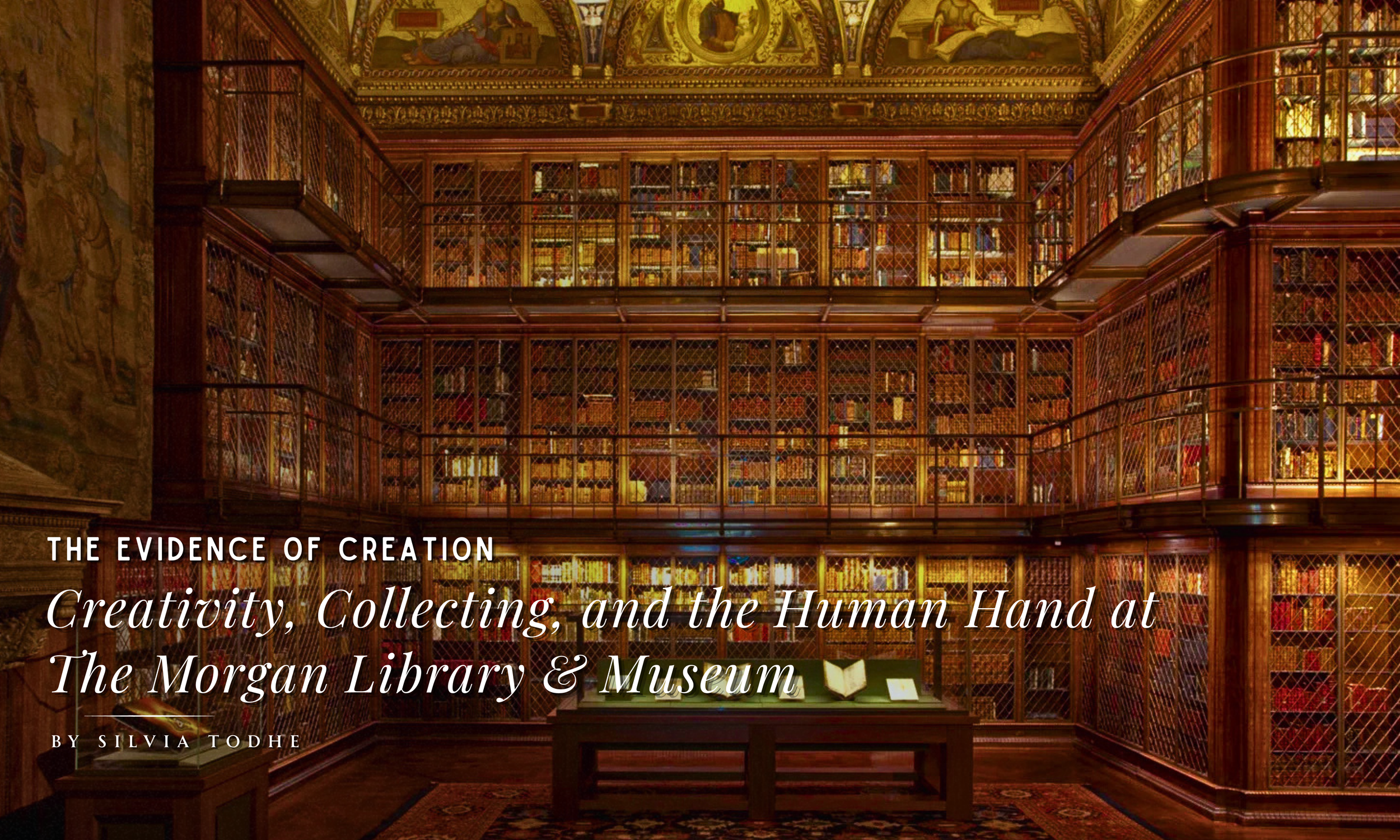
From everyday problem solving to a child’s curiosity to the fields of literature, sciences, mathematics, painting, dancing, and the rest – reveals the undeniable truth that all human beings are creative.
To create means to bring something new into existence that did not exist before. It’s using your imagination or skill to build, write, or design an original object or idea.
And if you have ever set out to create something, you know that what seems effortless in its final form rarely begins that way.
The creative journey can mean sleepless nights and blank pages. It means confronting the inner critic, facing doubt, fear, and insecurity, and enduring endless revisions, edits, discarded ideas, and moments of uncertainty before something finally begins to resemble what you imagined.
Graphic designer Milton Glaser described creativity as “a very time-consuming verb”—the process of taking an idea inside your head and transforming it into something real. If you are doing it properly, he argued, it is going to feel like work.
Even after all this, some might argue that the final product is not as important as the dedication, sheer will, and persistence to keep showing up. It’s choosing to stay committed, not shrinking away for the fear of failure and honing one’s craft.
How important is the evidence of creation?
The evidence is what remains after imagination becomes action: a painting, manuscript, photograph, sketch, campaign, object, performance, prototype, musical score, piece of writing—or even the documented process that led to it. It proves that an idea was not merely imagined. It was pursued, questioned, shaped, revised, and ultimately made real.
For an artist or creative professional, this evidence communicates ability, point of view, consistency, growth, and follow-through. But on a larger human scale, it tells us something even more profound.
Human beings make things, in part, because we want to leave traces of what we noticed, felt, understood, loved, feared, questioned, and imagined. The evidence says, in a very simple way: this idea passed through me, and I gave it form.
The Morgan Library & Museum, 2026
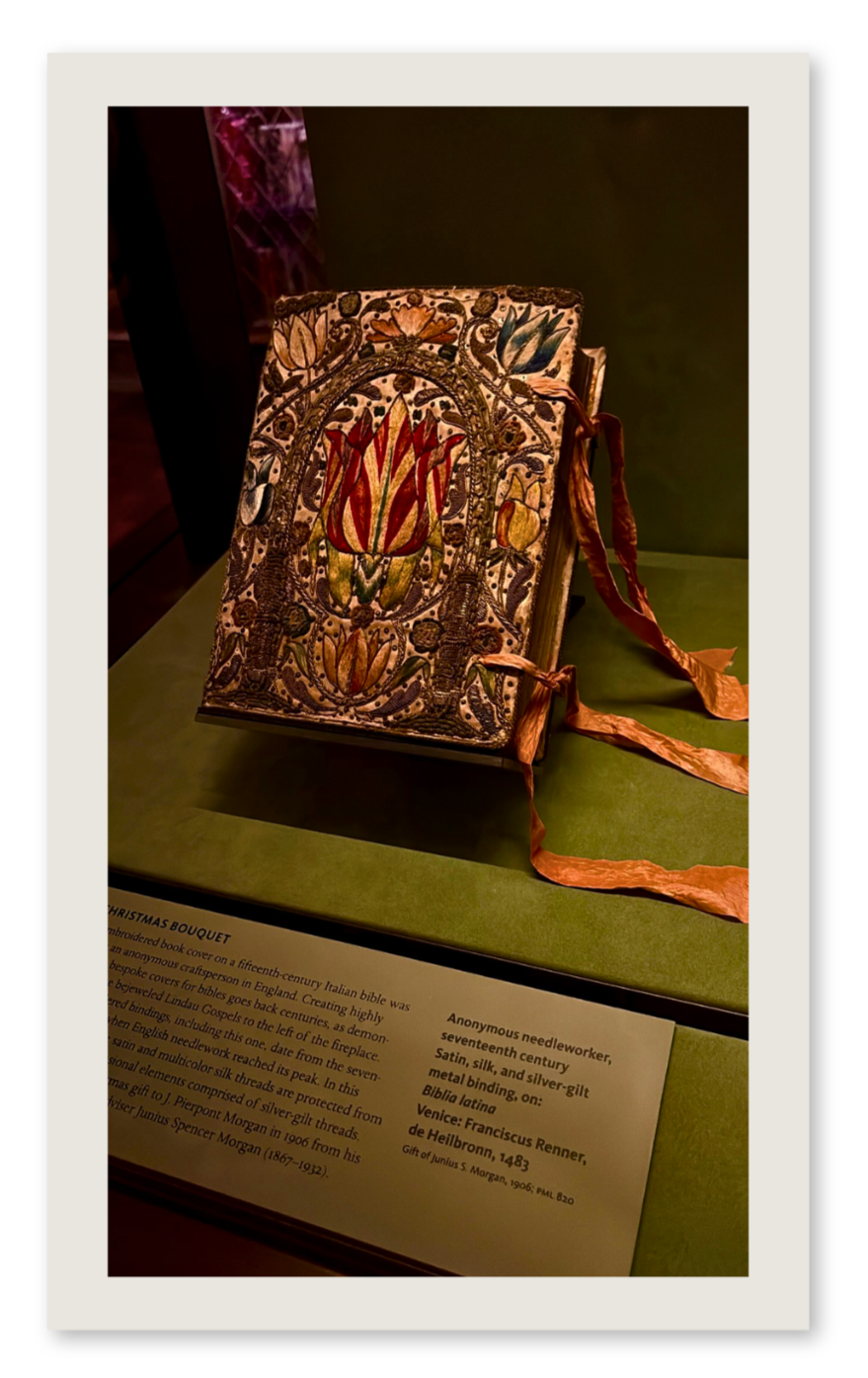
Photo Taken by Silvia Todhe
Original Manuscripts, Evidence of Creation
Few objects demonstrate this more intimately than an original manuscript. An original manuscript is a handwritten or typed work produced before—or during—the process of publication. It may be a letter, diary, early draft of a book, musical score, or typed page covered in an author’s corrections and notes.
Unlike a finished publication, a manuscript often preserves the process. There are words crossed out. Sentences rewritten. Margins filled with thoughts. Pages reordered. Ideas abandoned and rediscovered.
These documents preserve far more than language. They offer insight into human nature, illuminate history, and allow us to recognize familiar fears, joys, ambitions, contradictions, and flaws in people who lived centuries before us.
They also remind us that the works we now regard as inevitable—the novels, poems, compositions, theories, and images that have shaped culture—were once uncertain ideas sitting unfinished on someone’s desk.
And few institutions make that truth more tangible than The Morgan Library & Museum.
THE MORGAN LIBRARY & MUSEUM
Nestled in Manhattan’s historic Murray Hill neighborhood at 225 Madison Avenue, The Morgan Library & Museum is one of New York City’s great cultural treasures.
What began as the private library of financier and collector J. Pierpont Morgan has become both a museum and an independent research library devoted to extraordinary examples of human creativity.
Its collections span illuminated manuscripts and medieval treasures, rare books and literary manuscripts, original musical scores, drawings and prints by Old Masters and modern artists, historical documents, ancient objects, and exhibitions drawn from the Morgan’s own holdings and collections around the world.
To walk through the Morgan is to encounter history not simply as information, but as physical evidence.
The Morgan Library & Museum, Photo of, Inside 2026
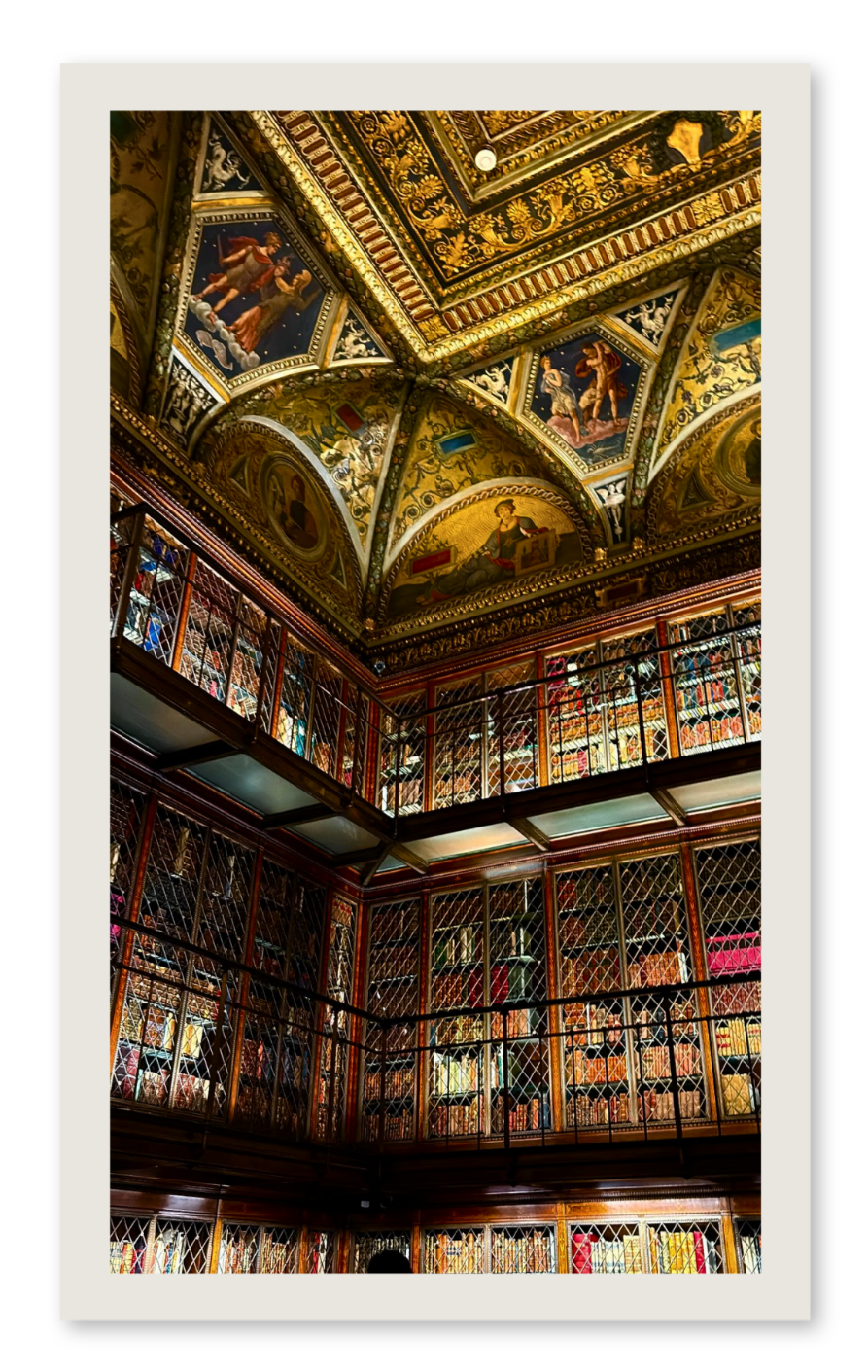
Photo Taken by Silvia Todhe
MORGAN, THE COLLECTOR
John Pierpont Morgan, born in 1837, was one of the most powerful financiers of America’s Gilded Age. A banker, industrial organizer, collector, and cultural benefactor, he helped shape the modern American economy while simultaneously assembling an extraordinary private collection.
His years abroad deepened his interest in European history, architecture, religion, literature, and art. Behind his formidable Wall Street reputation was a man intensely drawn to books, objects, craftsmanship, and beauty.
Morgan collected with the same ambition that characterized his financial career. He acquired rare books, illuminated manuscripts, drawings, prints, paintings, decorative arts, Renaissance objects, and antiquities on a remarkable scale.
A motto associated with Morgan’s collecting philosophy declared that “no price is too high for an object of unquestioned beauty and known authenticity.”
John Pierpont Morgan, 1837 - 1913
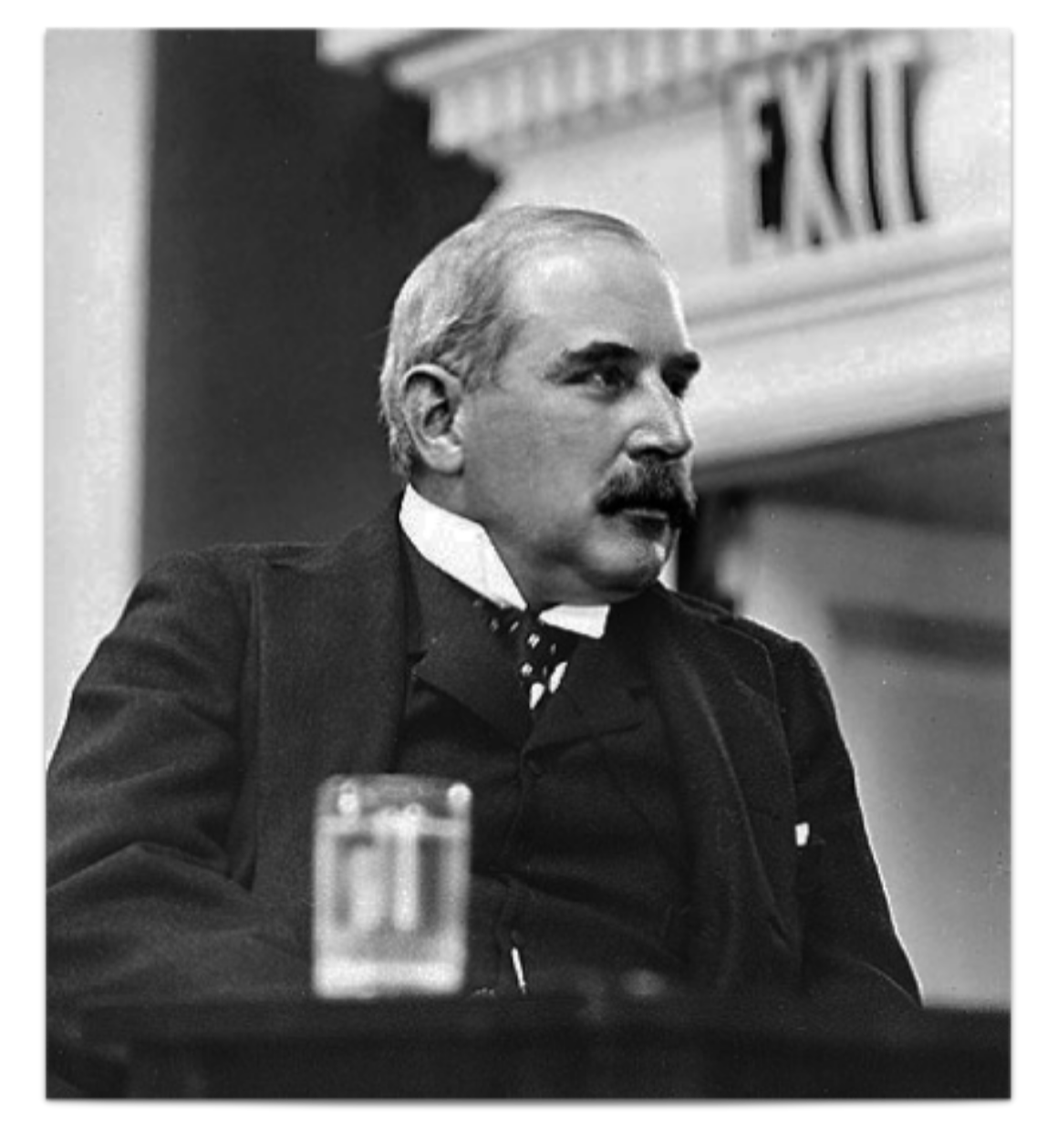
Image Source: The New Yorker
But Morgan was not simply purchasing expensive things. He pursued objects he believed represented exceptional moments in human creativity and cultural history.
Historian Jean Strouse estimates that in a little over twenty years Morgan spent approximately $60 million on art—roughly $900 million in the equivalent used in Strouse’s estimate.
His library therefore became something more than a wealthy man’s study. It became a private sanctuary for knowledge, collecting, beauty, and contemplation.
BUILDING THE PRIVATE SANCTUARY
In 1902, Morgan commissioned architect Charles Follen McKim of McKim, Mead & White to design a private library beside his New York residence.
Completed in 1906, the Renaissance-inspired building resembles an intimate Italian palazzo. Majestic without being enormous, it gave architectural form to Morgan’s identity as a collector.
Inside, books rise toward elaborately painted ceilings. Hidden staircases disappear behind shelves. Secret doors are incorporated into bookcases. Manuscripts, works of art, and rare volumes inhabit rooms designed almost as temples to knowledge. The building itself becomes part of the collection.
After Morgan died in Rome on March 31, 1913, his son, J. P. Morgan Jr.—known as Jack—inherited responsibility for the collection. In 1924, Morgan Jr. transformed his father’s private library into a public institution, fulfilling Pierpont Morgan’s stated desire that his collections ultimately serve the “instruction and pleasure of the American people.”
Over the following century, the institution continued to evolve. In 2006, a major expansion by architect Renzo Piano connected the Morgan’s historic buildings through a series of steel-and-glass pavilions and a light-filled central court.
Today, the Morgan exists beautifully between two worlds: Gilded Age grandeur and contemporary New York. It is part private sanctuary, part public museum, part research institution—and a reminder of what can happen when objects once held behind private doors are made accessible to generations beyond their original owners.
THE WOMAN BEHIND THE MORGAN
If J. Pierpont Morgan assembled the collection, Belle da Costa Greene helped give it intellectual shape—and ultimately helped transform it into a public institution.
Born Belle Marion Greener in Washington, D.C., in 1879, Greene came from a prominent African American family. Her father, Richard T. Greener, was the first Black graduate of Harvard College.
From a young age, Belle expressed an interest in becoming a librarian. She attended the Summer School of Library Economy at Amherst College in 1900 and later worked at Princeton University Library, developing the expertise that would eventually bring her into Morgan’s orbit.
At Princeton she met Junius Spencer Morgan II, J. Pierpont Morgan’s nephew and a librarian himself. Recognizing Greene’s ability, he recommended her to his uncle. In 1905, Morgan hired her. The decision would shape the future of his library.
Belle da Costa Greene, 1879 - 1950
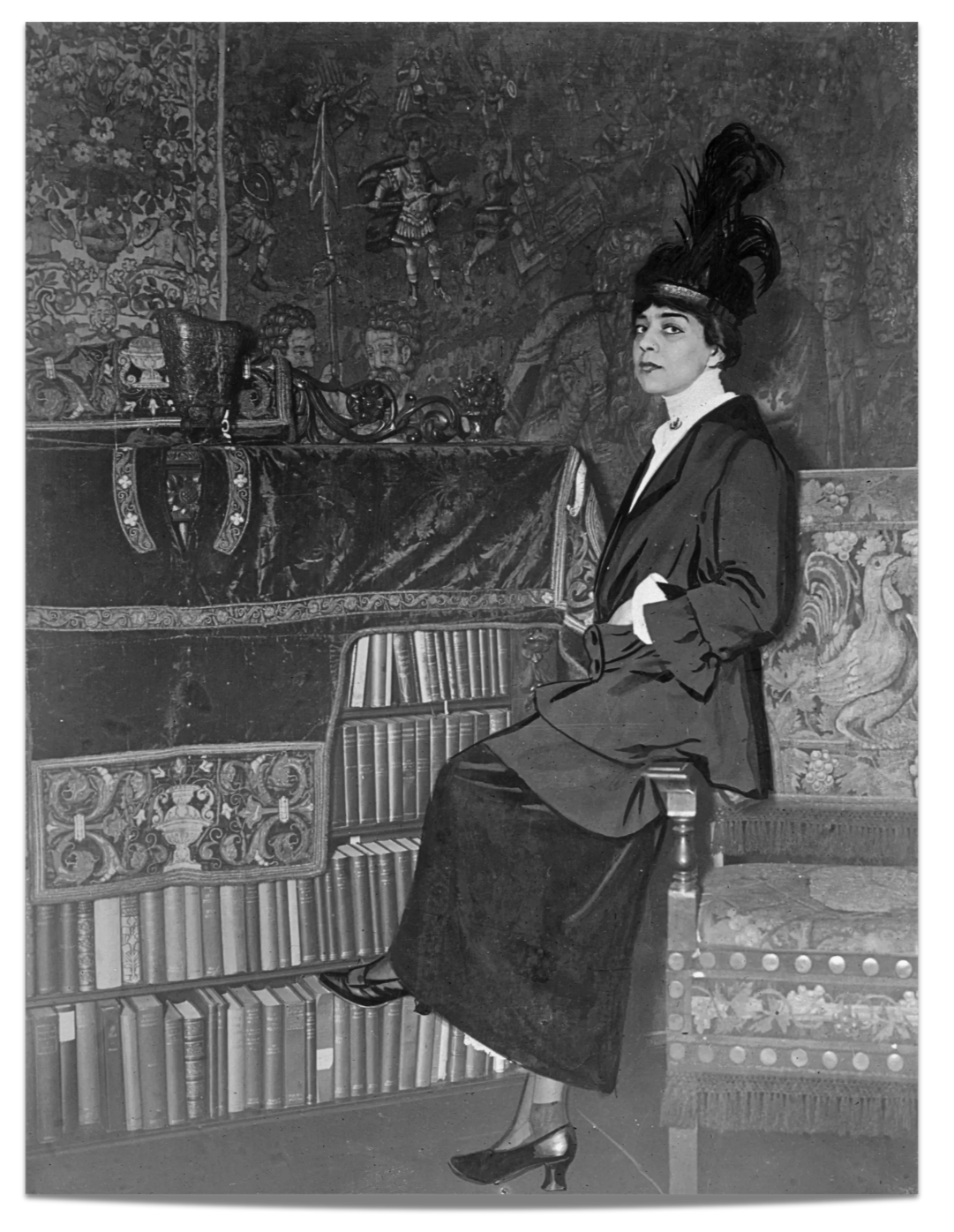
Image Source: The New Yorker
MORE THAN A LIBRARIAN: BELLE DA COSTA GREENE
Greene entered a world dominated by wealthy white men at a moment when both race and gender severely limited professional opportunity.
She and members of her family passed as white and claimed Portuguese ancestry—a decision that allowed Greene to move through social and professional environments that otherwise may have been closed to her. Within those environments, she became formidable.
Greene combined scholarship, confidence, instinct, negotiating skill, and an exceptional knowledge of rare books and manuscripts. Morgan entrusted her with significant purchasing authority and the freedom to acquire important works on his behalf.
At auctions in Europe and America, she developed a reputation as a commanding presence and a skilled negotiator capable of competing with established collectors, dealers, and institutions.
But Greene’s contribution cannot be measured simply by what she acquired. She understood that a collection becomes culturally meaningful through scholarship, access, context, and use.
After J. Pierpont Morgan’s death in 1913, Greene continued to oversee the collection for his son. When the Pierpont Morgan Library became a public institution in 1924, she became its inaugural director.
Under her leadership, the Morgan expanded its role as a scholarly institution. It supported researchers, organized exhibitions, loaned objects, developed research services, and encouraged scholarship in fields that had long been dominated by men.
Her philosophy extended beyond preservation. An object had to be protected, certainly—but it also had to be studied, documented, understood, shared, and allowed to generate new knowledge.
Greene ran the Morgan Library for forty-three years before retiring in 1948. J. Pierpont Morgan is the famous name carved into the institution.
But Belle da Costa Greene was one of the people who ensured that his accumulation of extraordinary objects became something far greater than a private collection. She helped give it a future.
REFLECTION
Walking through The Morgan Library & Museum, surrounded by centuries-old books, letters, drawings, scores, and illuminated manuscripts, I found myself wondering: In a digital age, do original objects still matter?
With the press of a button, we can access extraordinary work without ever leaving home. A manuscript can be scanned in high resolution. A rare book can be digitized page by page. A handwritten letter can appear on a screen thousands of miles away from the archive that protects it.
This access matters, but the original still offers us something. It reveals the imperfections - crossed-out sentences of hesitation, handwritten notes of reconsideration in the margins, worn bindings from usage - of the person who created it.
Someone who sat before a blank page, searched for the right words, changed her mind, doubted the process, returned to it, revised it endlessly, and decided it was worth finishing.
This is why original manuscripts and institutions like the Morgan Library and Museum still matter. While history presents us with finished masterpieces – the published novel, famous composition, celebrated drawing, revolutionary idea. The archive reveals evidence of human beings trying. There is something profoundly reassuring about that.
Creativity was never just about the arrival of a brilliant idea, but the willingness to give the idea form, the long, difficult, and uncertain process, and to preserve it, leaving something behind.